
Portugal, Lisbon
WHY WE LOVED LISBON…
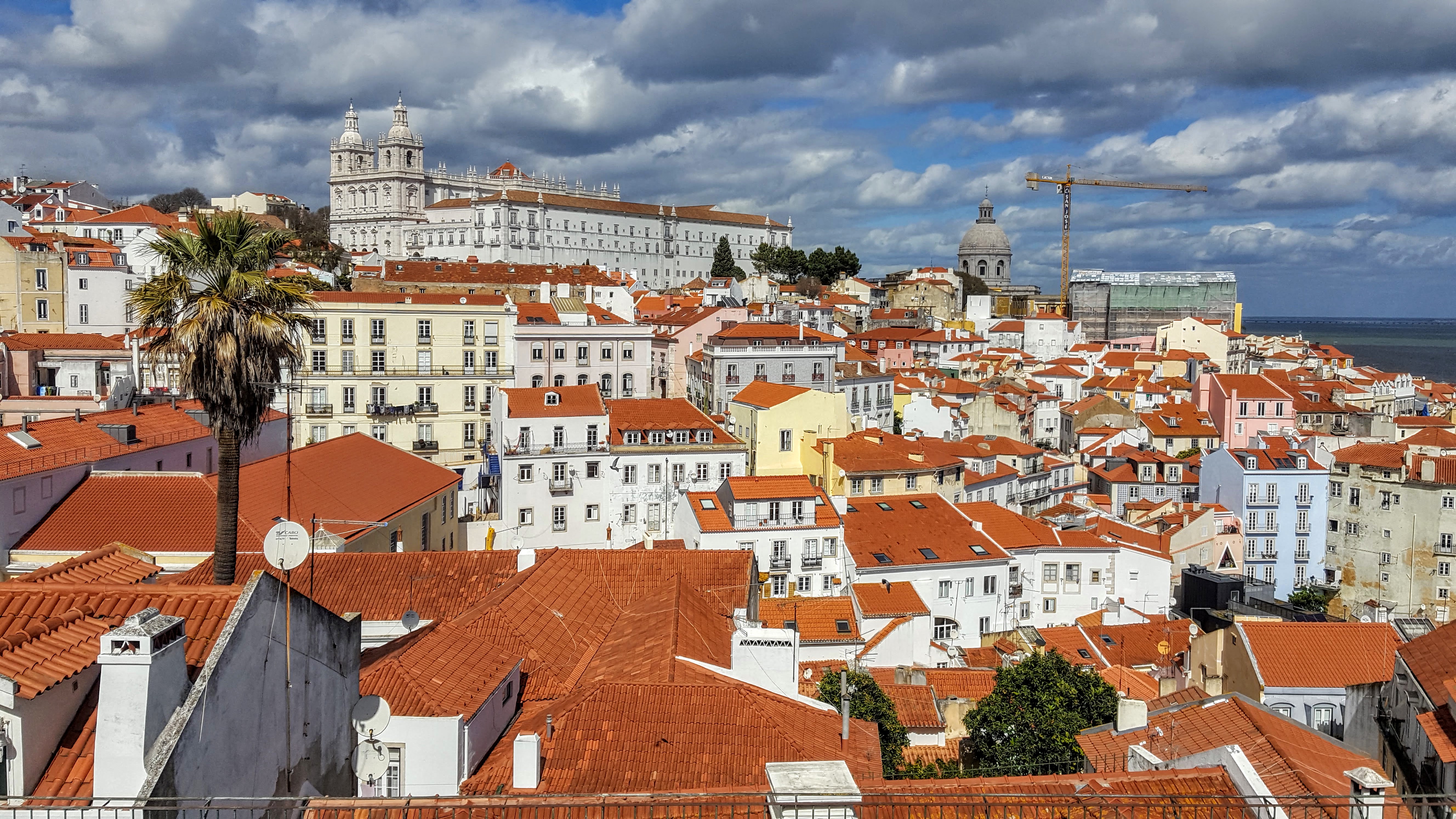
Sun, sea and custard tarts, what’s not to love? With its cobbled old town, orange roofs, trundling trams and excellent food & wine, Lisbon is easily one of our favourite European cities. The sunny Portuguese capital is also a very easy city break from the UK – the flights are quick and cheap and there isn’t even a time difference when you arrive.
Adventure
Chill
Culture
Nature
Our Long Weekend Itinerary
A trip to Lisbon and Sintra is the perfect way to get your culture fix without needing to take more than a long weekend. Of course this trip can be lengthened to a week or even longer by taking a trip up the coast or visiting other parts of Portugal.
☆Don’t miss: A day trip to Sintra to see the colourful villas and palaces scattered across the hilltops.
DAY 1: Alfama
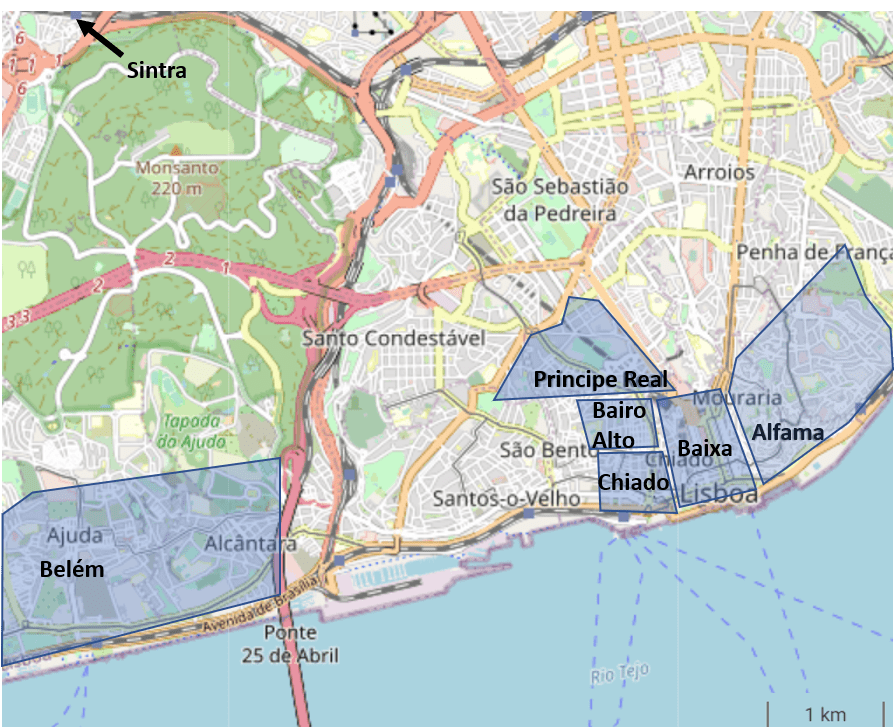
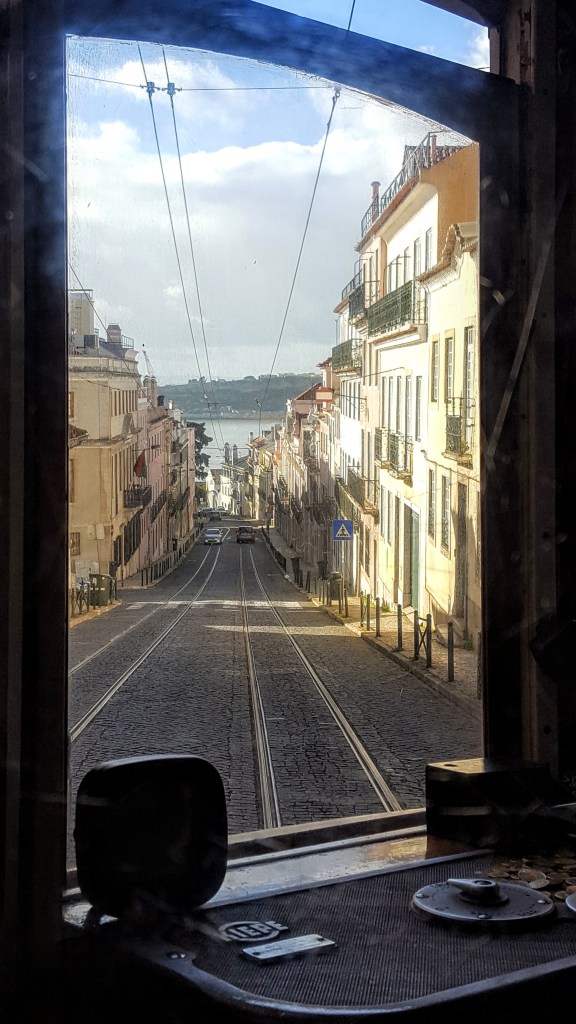
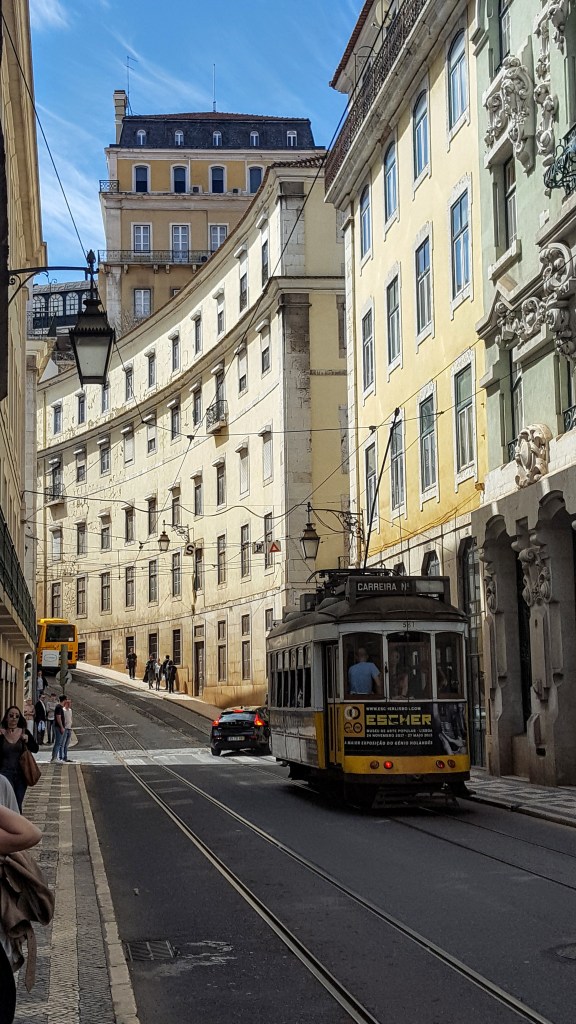
The old town, Alfama, is one of the only neighbourhoods in Lisbon to have survived the deadly 1755 earthquake. This is why the streets here are narrower, quirkier and more authentic – we highly recommend staying in this area. Be careful when rounding blind corners as the vintage yellow trams, which are so synonymous with Lisbon, rattle round these corners quicker than you might expect. Catch one of these trams up to the top of Alfama to avoid walking up all the hills.
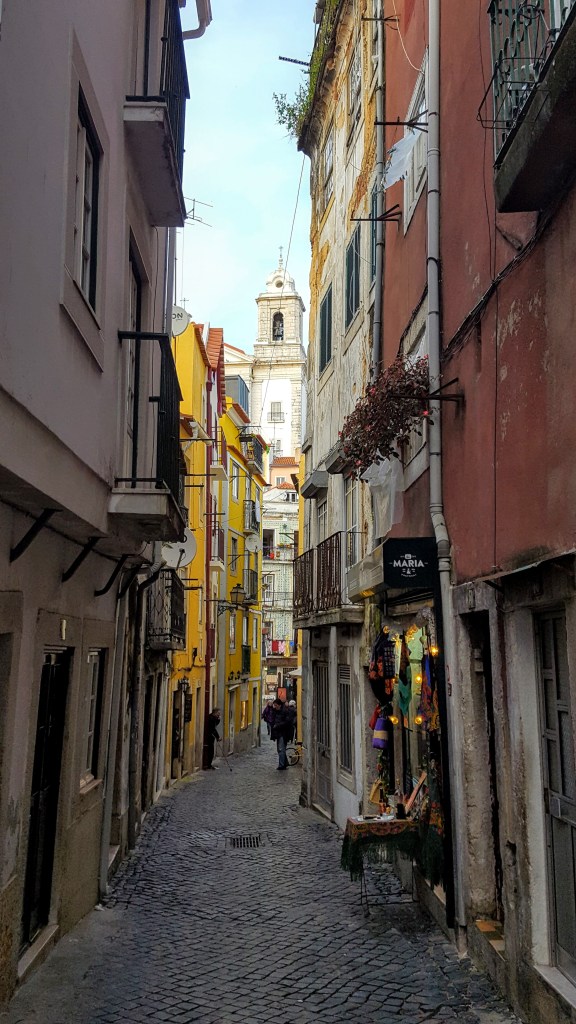
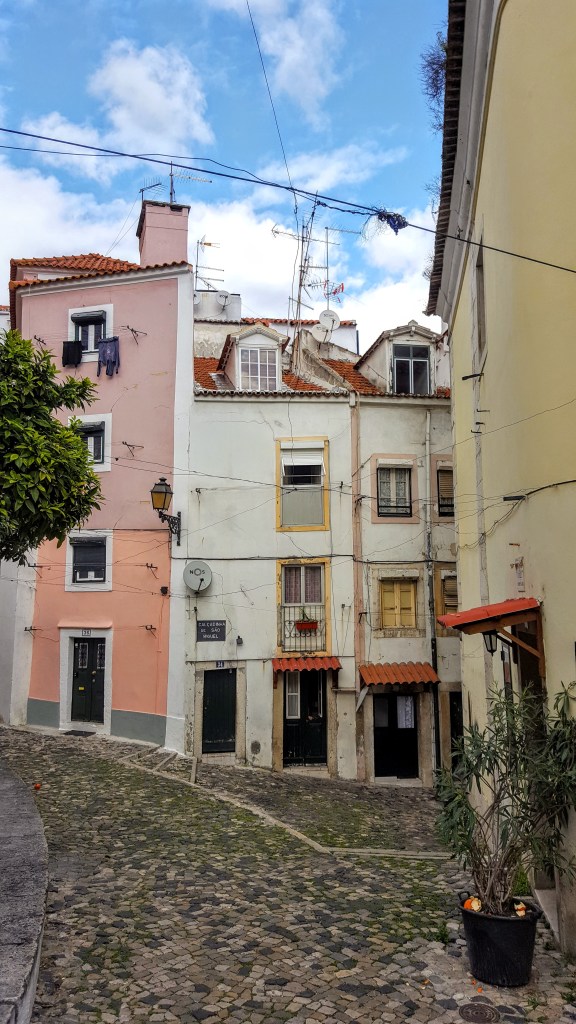
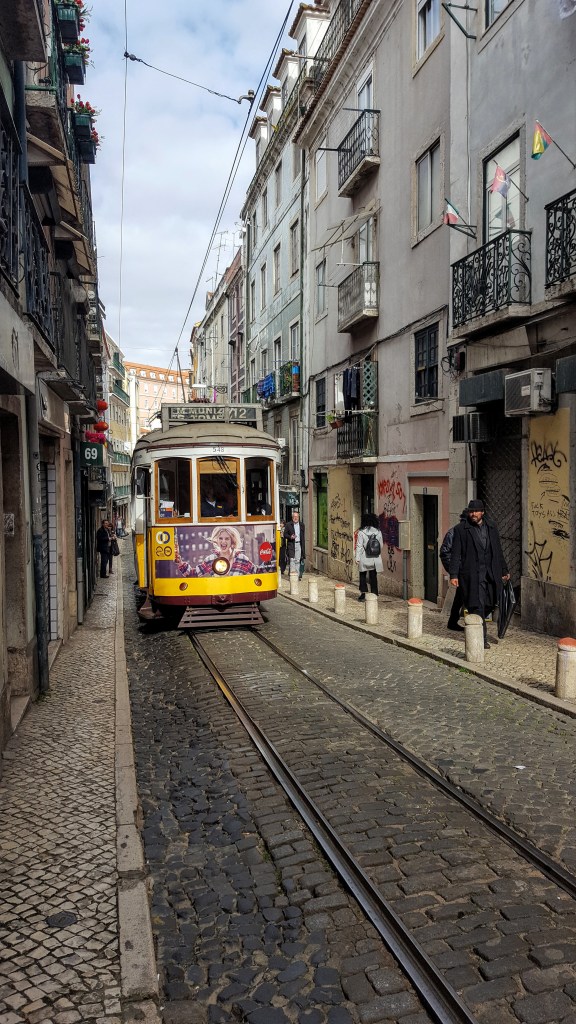
Once you’ve caught the tram up to the top of the hill hill, we would recommend doing a self-guided walking tour to get your bearings. This is a great way to experience the cobble-stoned, winding alleys and to take in the marvelous views over the capital from numerous viewpoints (Miradouros). We have put together a short Alfama walking tour, with five key stops and plenty of potential for additional stops and little detours along the way.
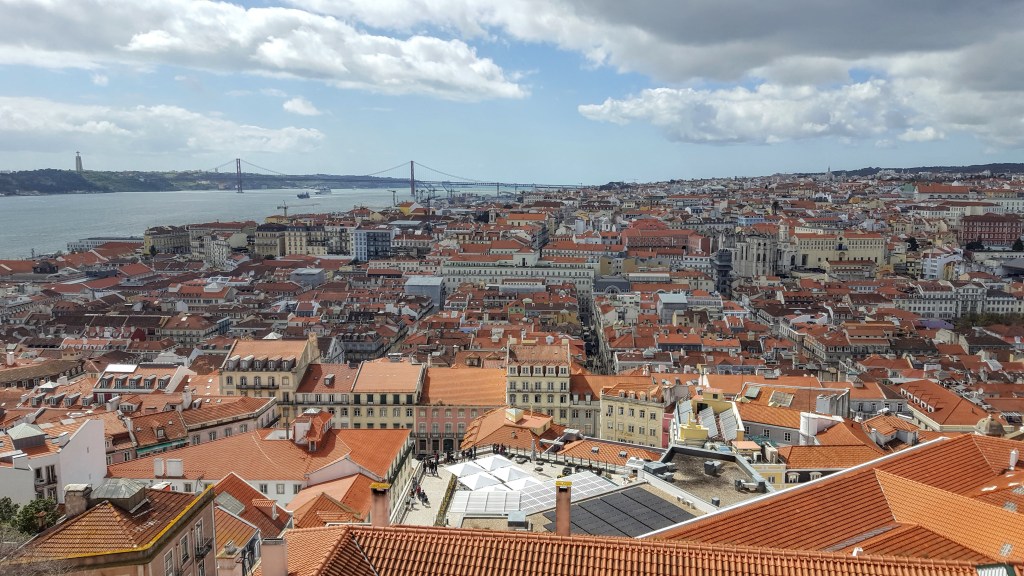
- Start off with Miradouro da Senhora do Monte for your first panoramic view. From here you can see Castelo de São Jorge standing guard over the city.
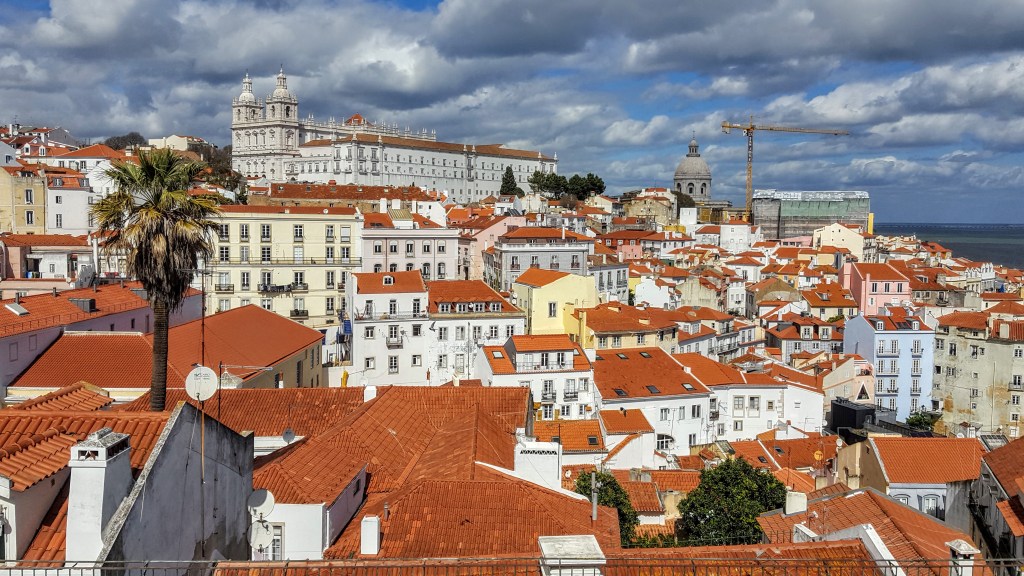
- Next up, head to Mosteiro de São Vicente de Fora, built during the Renaissance in the 17th Century. You can climb to the roof of the monastery for views of the beautiful baroque Pantheão Nacional (National Pantheon).
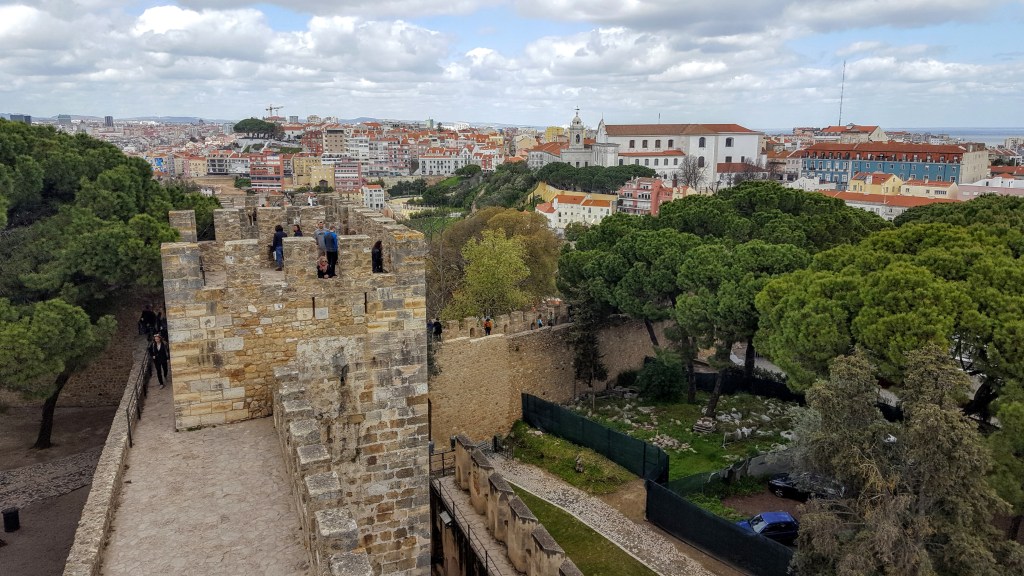
- Castelo de São Jorge is an 11th Century Moorish castle which sits on the top of the hill in Alfama. Once a fortification used by the Moors to protect the Iberian peninsula, it is now one of the city’s best loved attractions. For the price of a 10 euro entry ticket you can enjoy the pine-shaded courtyards and wander around the ramparts, taking in the sweeping views over the Lisbon, all the way to the 25 Abril Bridge over the River Tagus.
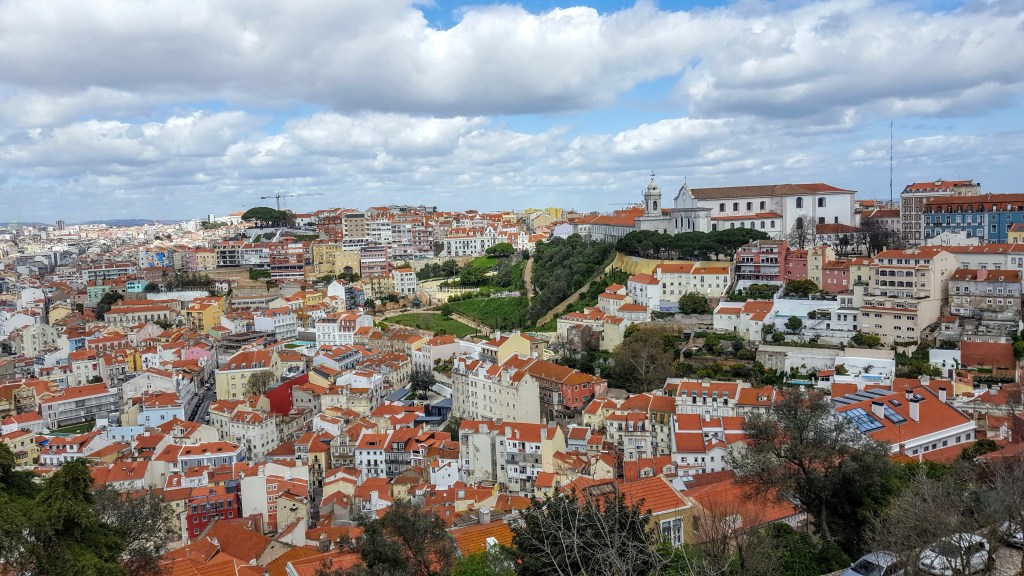
4. Miradouro de Santa Luzia is a fantastic place to stop and enjoy the views back towards Mosteiro de São Vicente de Fora and the Pantheon. There are a few cafes and bars here to rest your feet and have a drink.
5. If you are keen to see even more of Lisbon’s classical architecture, the Gothic Cathedral Sé de Lisboa is one of the oldest buildings in Lisbon and is well worth a visit. It was built in 1150 when the Christians recaptured the city from the Moors and it was restored to its full glory in the early 1900s.
In the evenings, the sound of Fado (mournful solo singing accompanied by a guitar) drifts out of little bars tucked away in Alfama’s alleyways. Finish off your first day in a bar with some classical Fado and also make sure to try the sardines. They’re delicious!
DAY 2: Baixa
Carry on from where you left off the day before and head further west into Baixa, the neighbourhood next to Alfama. Baixa was pretty much completely rebuilt after the earthquake in 1755. The grid-like layout of the neighbourhood’s streets was novel at the time, but has been adopted all over the world, most notably in the USA. The streets here are wide, long and commercial, running from fountained plaza to fountained plaza. The main street Rua Augusta is very impressive, running north from the Praça do Comércio deep into the capital.
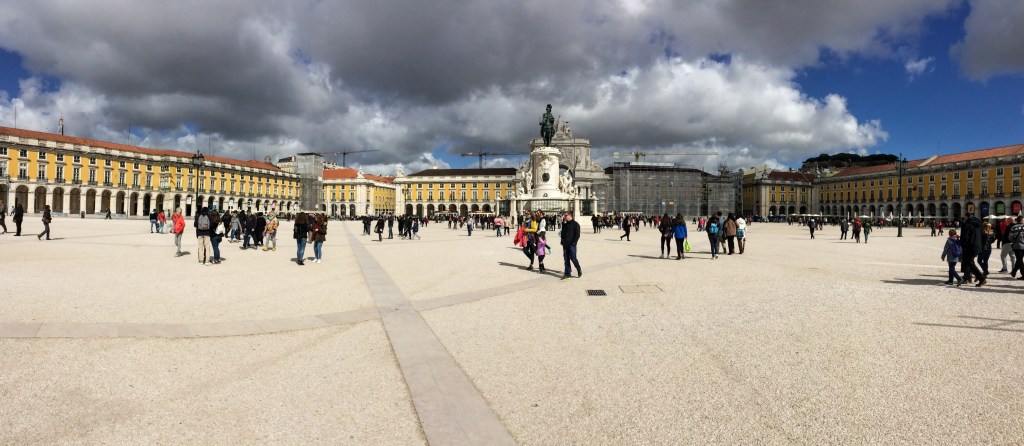
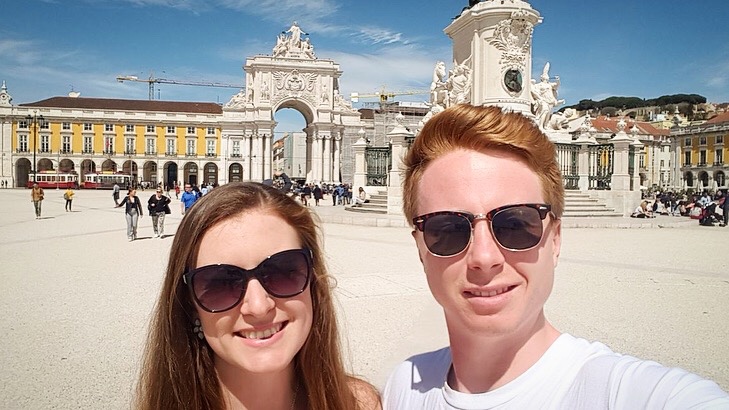
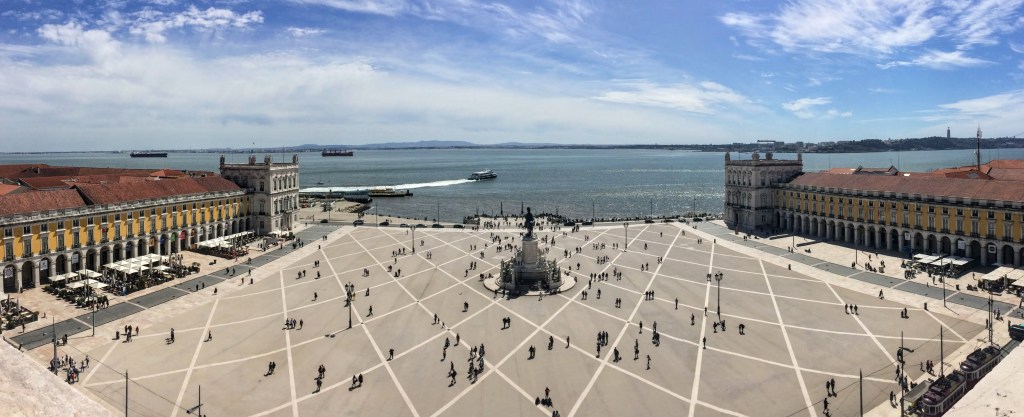
Praça do Comércio (or Commerce Square), built following the earthquake, is the largest square in Lisbon and all of Europe. Enclosed by the yellow buildings and the grand Rua Augusta Arch, the plaza is one of the capital’s most recognisable landmarks.
You should climb the Rua Augusta Arch and look down on the impressive square from quite a height. We stood up here for some time, watching the little ants below lining up to take their selfies and group photos in front of Dom José I in the centre of the square.
More of the active types, we’re not normally big museum-goers, but the Lisbon Story Centre on the eastern side of the square was an excellent race through the history of the city. And we can tell you now that Lisbon has been through a lot!
Carmo Convent, once a majestic church in the centre of Chiado is now a very visual reminder of the 1755 earthquake. The roof hasn’t been replaced, leaving a beautiful skeleton of free standing arches reaching into the sky. The convent is now an architectural museum and it worth popping into if only for a quick look.
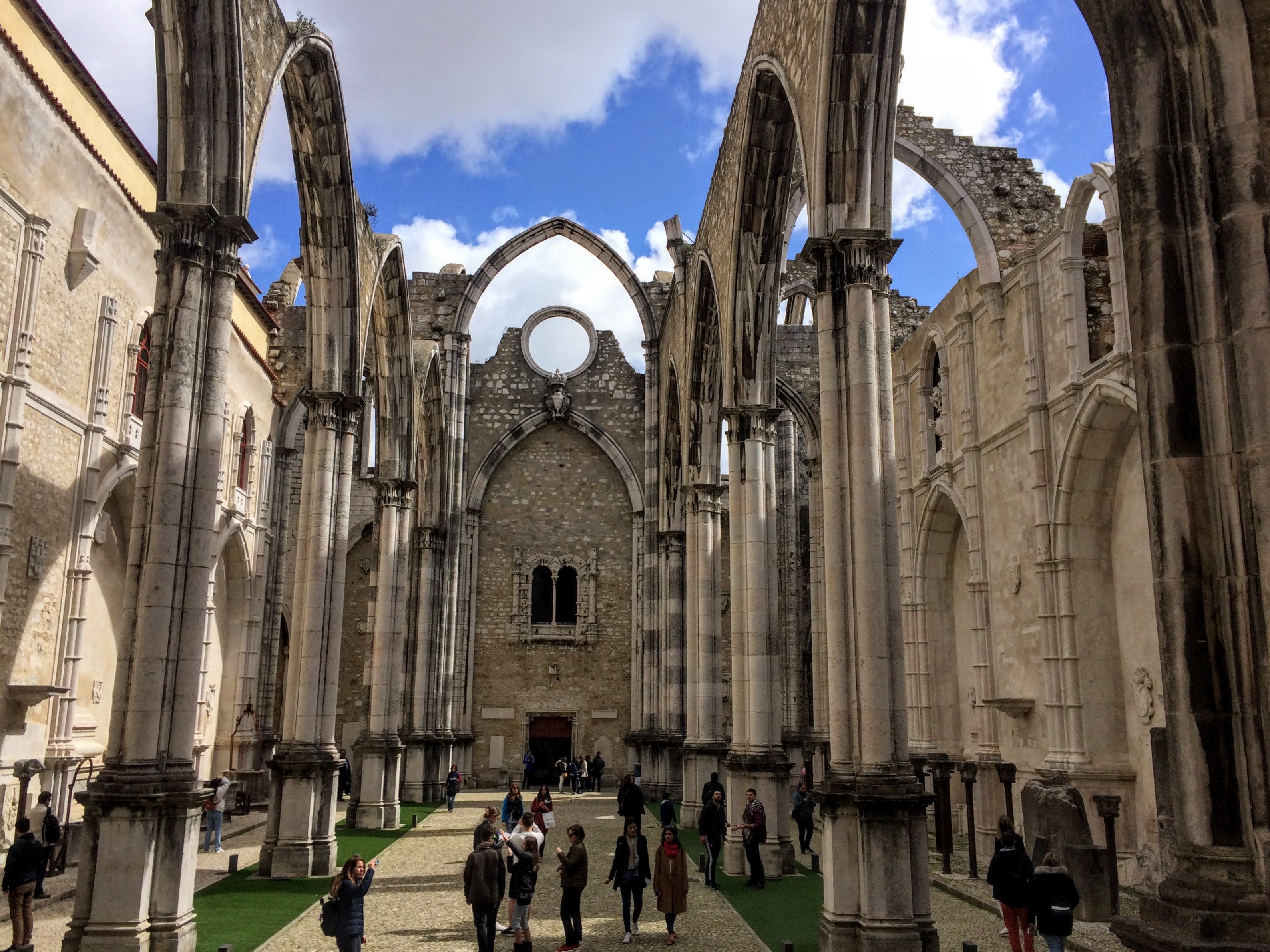
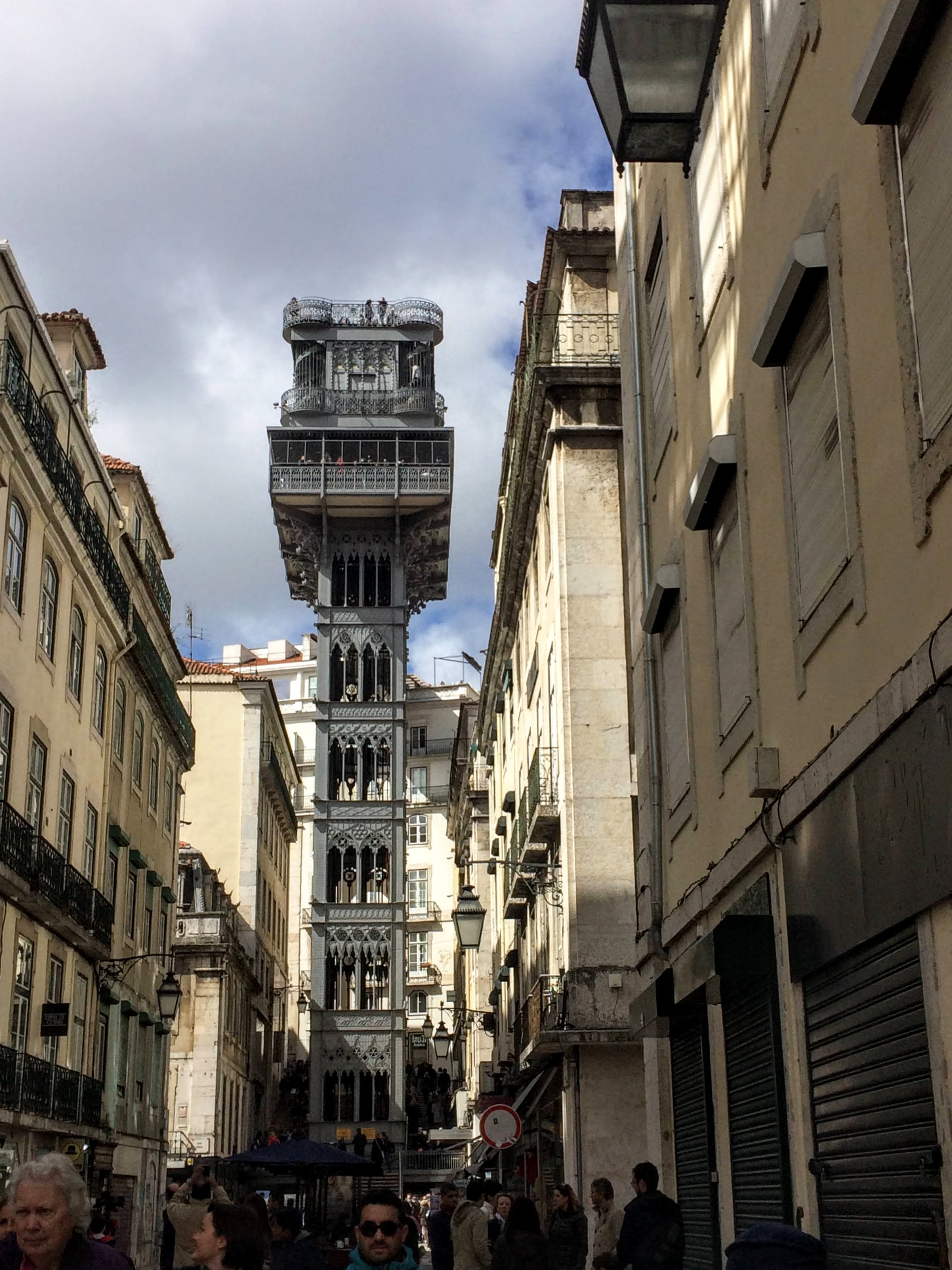
Carmo Convent (left), Elevador de Santa Justa (right)
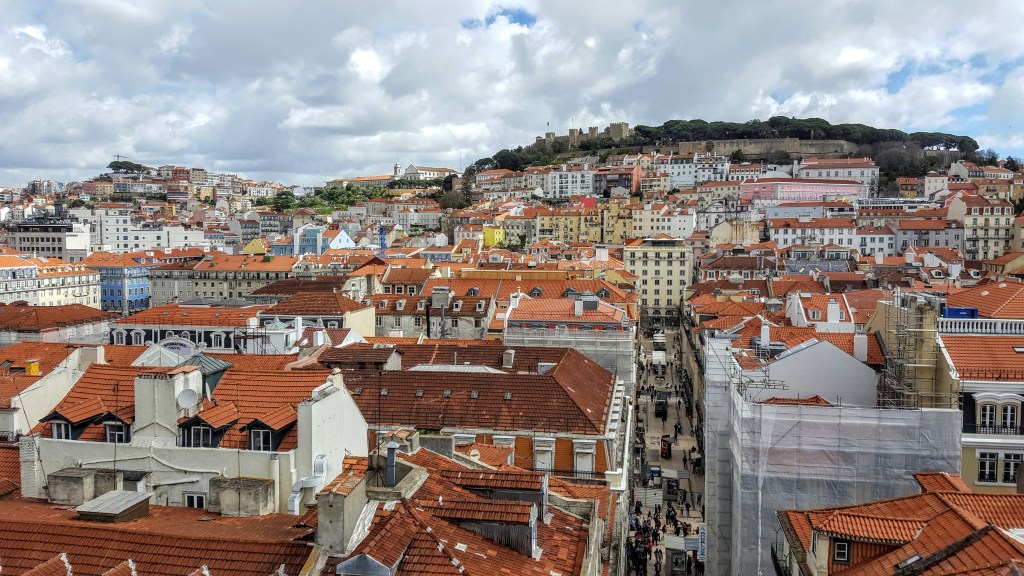
Across the square from Carmo Convent is the Elevador de Santa Justa which was built to help the flow of people up the hills from the main streets of Baixa up to Carmo square. The iron lift has become more of a tourist attraction as it transports you to an observation platform high above the terracotta Baixa roofs (the queues can get pretty large throughout the day).
Day 3: Sintra
Sintra is a town sitting in the pine-tree carpeted Sintra hills north west of Lisbon. Each hill is adorned with a fairytale palace, each more colourful and more majestic than the next. A day trip to Sintra should not be missed off your itinerary. In fact if you have more time, there’s enough to see here to fill a couple of days of your trip.
There is a regular train service between Sintra and Lisbon, making it a very easy trip to organise. Once you arrive in Sintra, it can be a little chaotic as a horde of tourists will disembark from the train all with the same intention – to get to the palaces first, to save waiting in a long queue. We would recommend choosing which palaces to visit before your arrival so you can get ahead of the competition by knowing which bus to get on from the station up into the hills. As we were just visiting for the day, we chose just two palaces; Pena Palace and the Moorish Castle. This is a popular combination that is very well connected by the 434 bus, making the day very straight forward to plan.
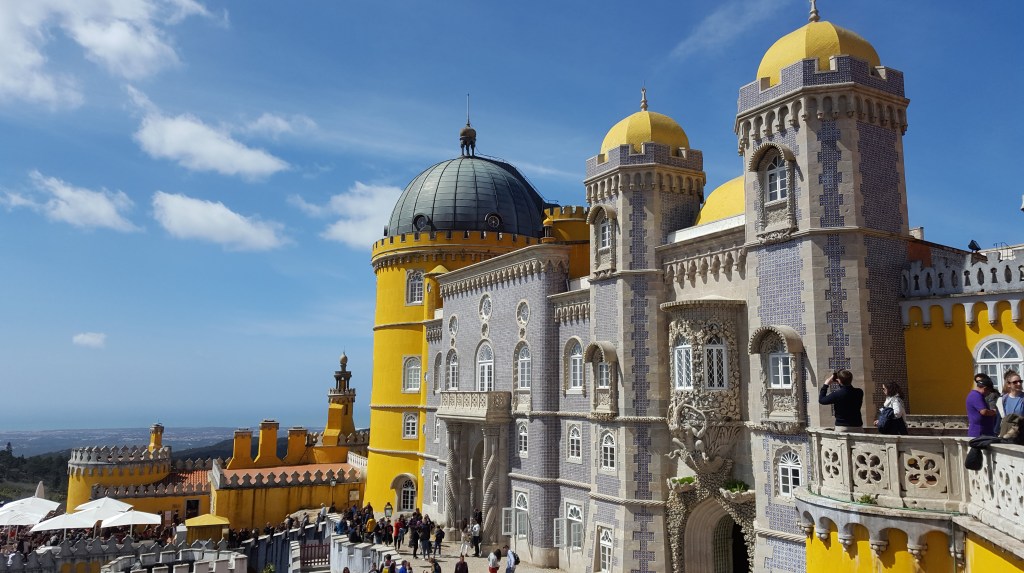
First up was Palacio Nacional da Pena, a strikingly colourful palace which almost looks like it’s made out of Lego. The querky mish-mash of domes, battlements and tiled facades make it very recognisable and one of the most popular of palaces for tourists. Perched on a hill top, there are 360 degree views of the sea, hills and many of the other surrounding palaces. It is important to make sure you get here early, as the queues can stretch a considerable distance throughout the course of the day.
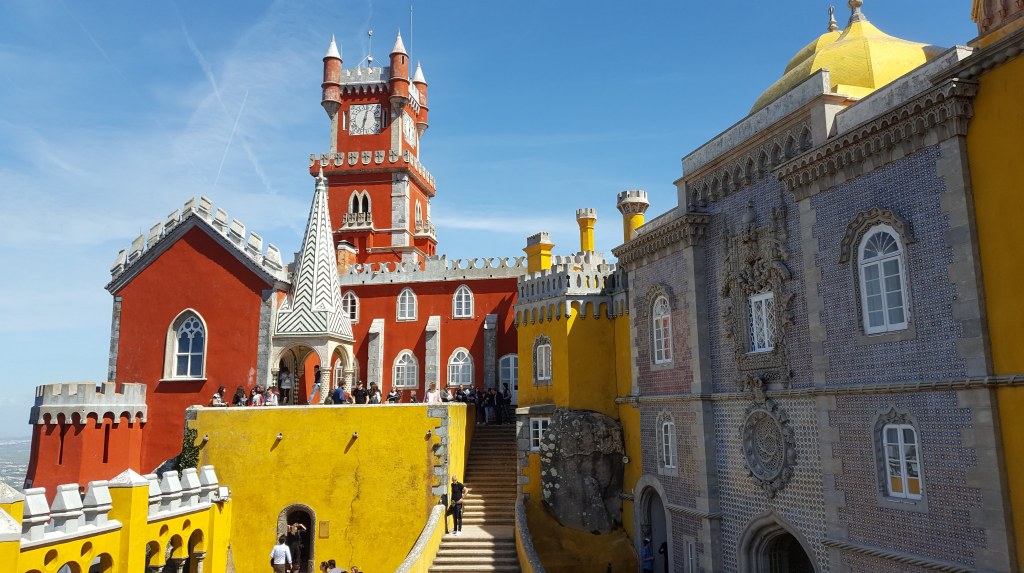
Our tip (having not realised this and stood in a line of people for over an hour) is that you can skip most of the queue by buying the “Park ticket” (rather than the “Palace and Park ticket”) despite the name, this still gains you access to the palace’s battlements and courtyards, but misses out the interior. Although the staterooms are incredibly ornate and beautifully furnished you will be in a hot and stuffy queue of people all the way round which is less pleasant.
Wandering the shaded pathways of Parque de Pena surrounding the palace is a lovely way to spend a couple of hours. We meandered around the ornate duck lakes to the Cruz Alta view point (about 20 mins walk) which offers a great view of the Palacio Nacional da Pena itself.
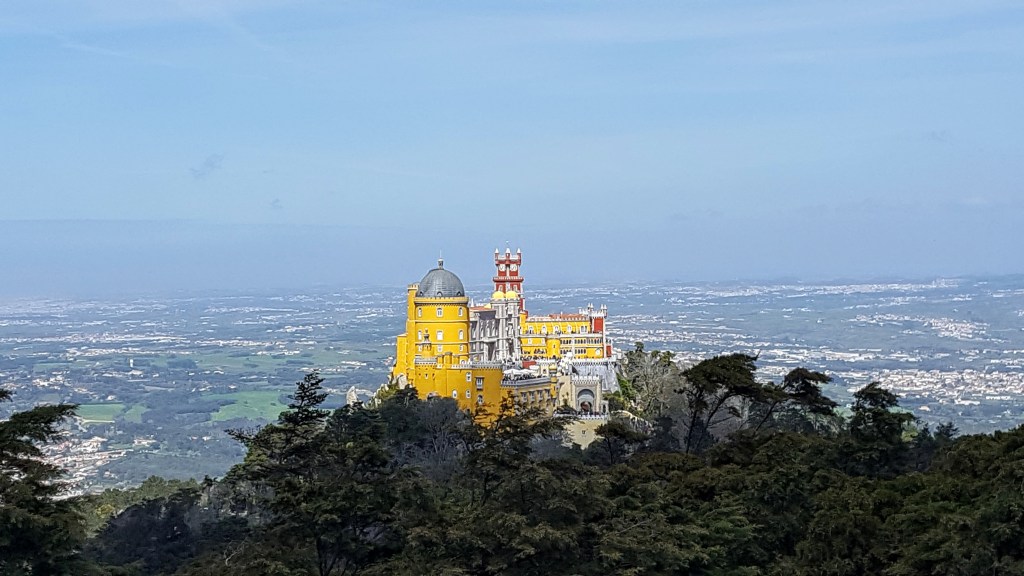
From the Palacio Nacional da Pena, it is a short downhill walk to the Moorish castle (Castelo dos Mouros), a contrastingly dour medieval castle designed with function over form. Between the 8th and 12th Century the castle defended the Sintra hills from its high vantage point with a strategic view over the coastline and the surrounding flat lands.
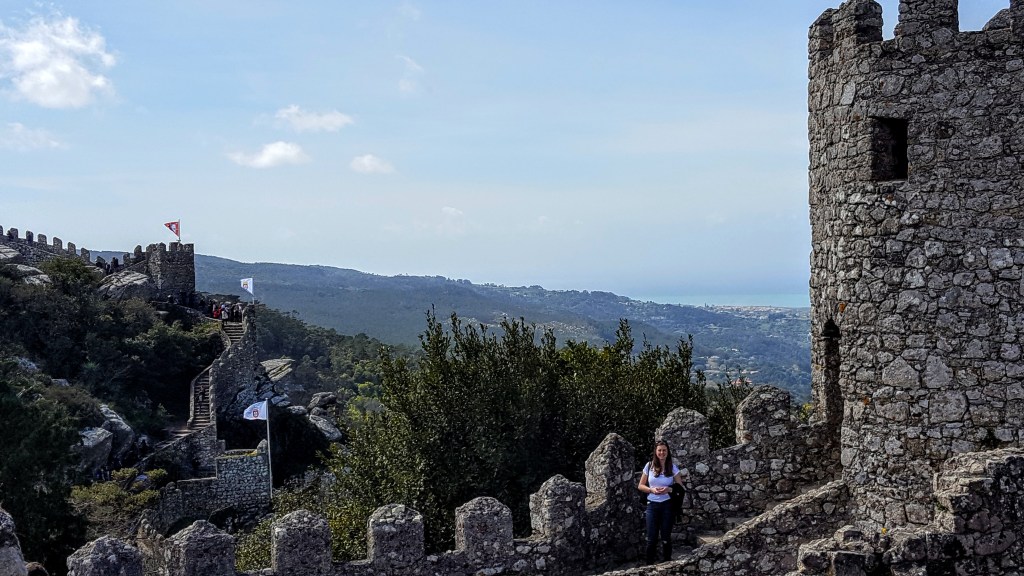
We probably preferred the Moorish Castle, it is a much less crowded affair than the palaces. We would suggest walking round the battlements which weave their way over rocky outcrops and climbing up a few of the flag-flying towers for the best panoramas.
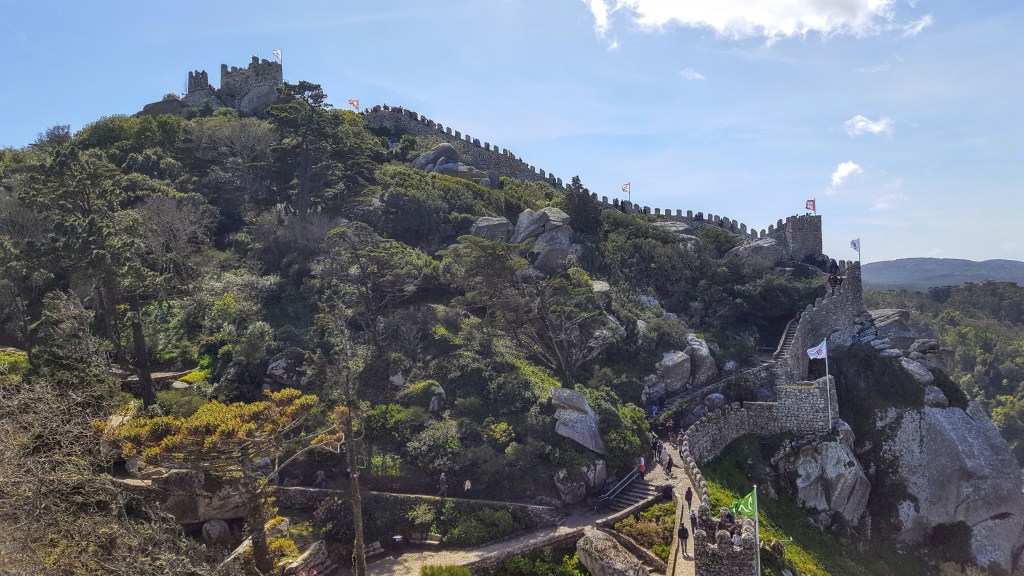
From the Moorish castle it’s a 20 minute walk back to Sintra railway station where you can catch the train back to Lisbon if you’ve chosen to spend just the day in Sintra.
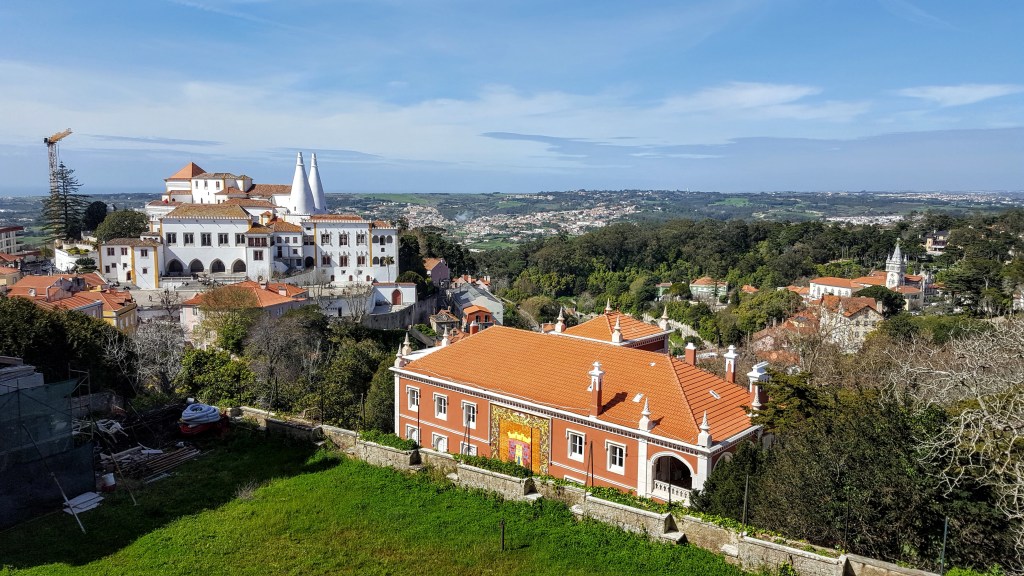
If you have another day in the area, there are many other palaces which are worth visit such as La Quinta da Regaleira, famous for its “Well of Initiation”, the National Palace of Sintra with its two characteristic cone shaped spires and the the Palace of Monserrate with its gardens featuring plants from all over the world.
Day 4: Belém
Back in Lisbon, Belém is a little further from the neighbourhoods of Alfama and Baixa. To get there we’d recommend taking the number 15 tram from Praça do Comércio.
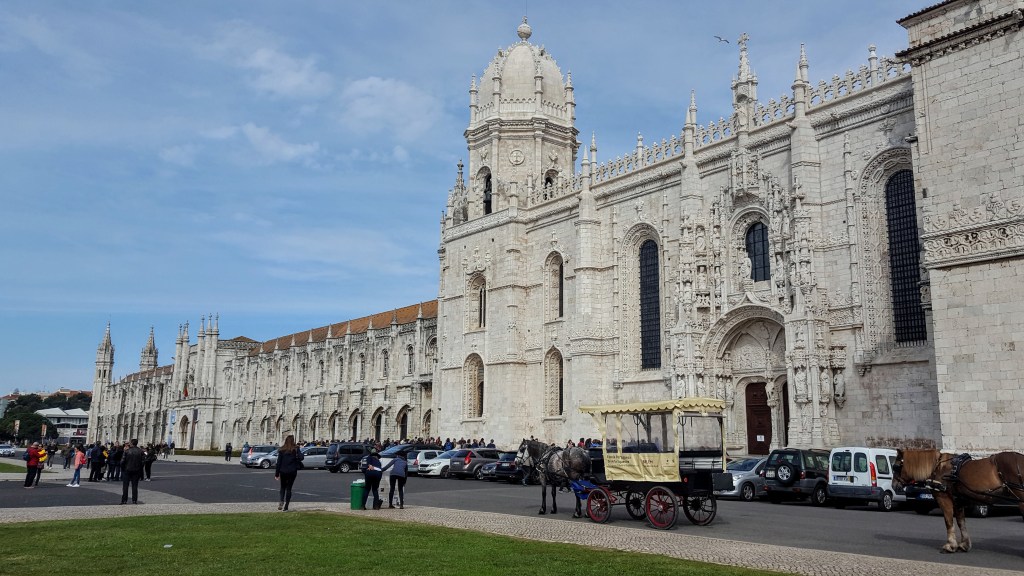
Mosteiro dos Jerónimos is one of Lisbon’s most impressive pieces of architecture and it’s easy to see why it has been awarded Unesco World Heritage site status. Construction started in 1501 and despite the King throwing all his resources and taxes at it, the intricate and ornate Manueline design took 100 years to complete. The magnificent monastery is no secret to tourists though, and to get a peak inside you will have to join the back of a long queue which can stretch from the south portal and along the length of the entire monastery itself. It is worth the wait though.
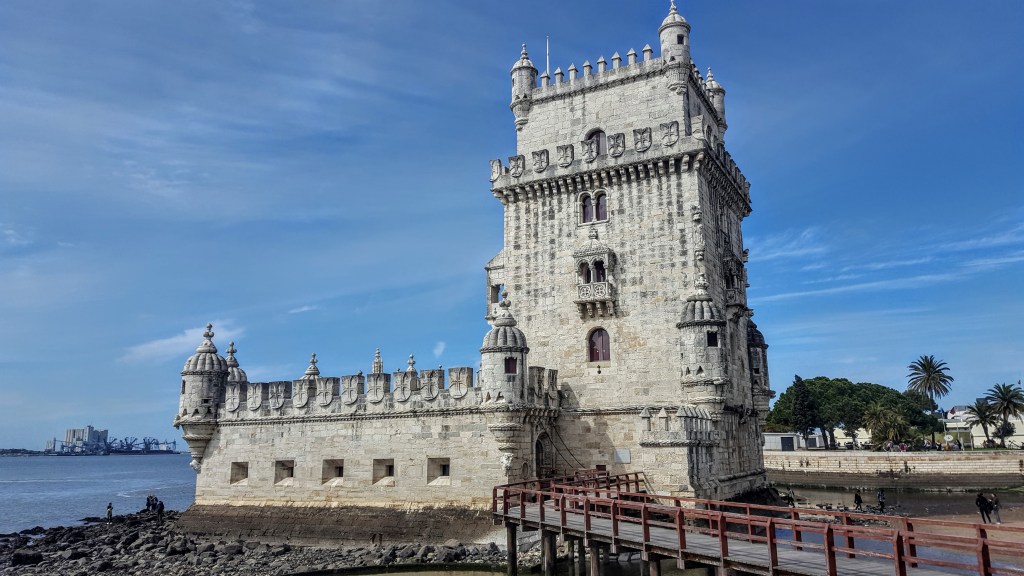
Not far from the monastery is Torre Belém which sits on the banks of the River Tagus. Similarly to the monastery it was built in the 1500s and is another great example of Portuguese Manueline architecture. The 30m tall tower was used as a ceremonial gateway to Lisbon from the river, with notable Portuguese explorers, such as Vasco de Gama, embarking upon their voyages from here.
The main highlight in Belém for us, was Pastéis de Belém – Lisbon’s famous custard tart café. Although you can (and should) get these gorgeous little pastries in bakeries all over Lisbon, they originated from Belém and this authentic azulejo festooned café still uses the original recipe which has been kept a secret for over 200 years. Because of this, hordes of locals and tourists alike flock there on a daily basis to get their custard tart fix. Although the queue can look daunting, the café has an extremely efficient system that gets people in and out in remarkable speed. It might have been the hype and the marketing, but we still maintain that these were the best Pasteis de Natas we have ever had.
Day 5: Travel
On our last morning we visited the Mercado Ribeira, a traditional Portuguese food market which has been transformed by Time Out into a popular gourmet food hall. Here you can find an eclectic mixture of street food stalls selling a wide spectrum of world foods mixed in with high end gourmet restaurants.
Once we’d eaten ourselves silly, we headed to the airport to catch our flight home.
 Sunburnt Zebra Travel