
Italy
why we loved italy…
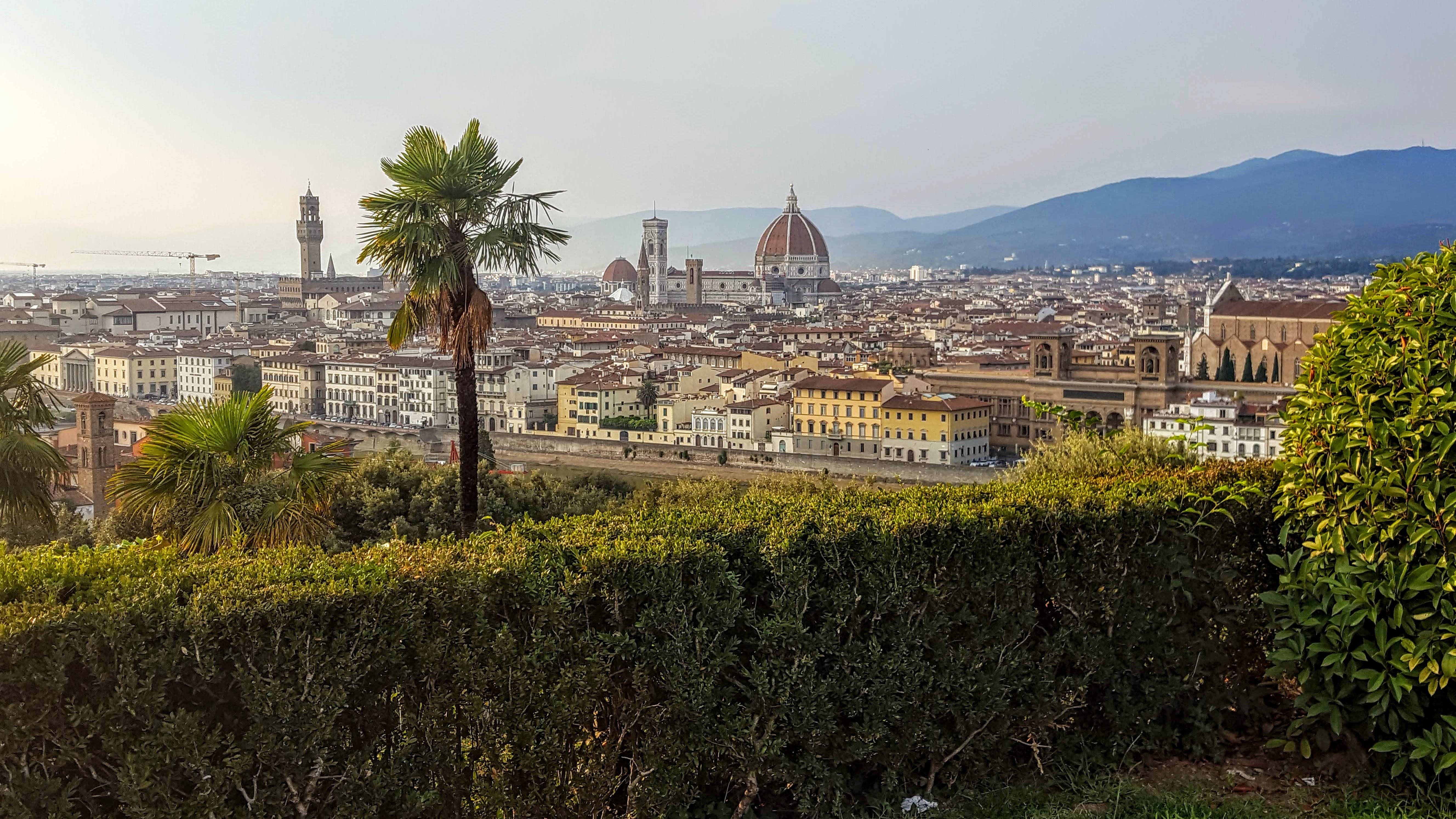
It’s not too controversial to describe Italy as one of Europe’s top travel destinations. Its towns and cities are home to world renowned architecture and art, and the hilly Tuscan countryside is scattered with beautiful vineyards. It is home to some of the quaintest towns, the most picturesque coastline and some of the most serene countryside.
Adventure
Chill
Culture
Nature
Our TWO week itinerary
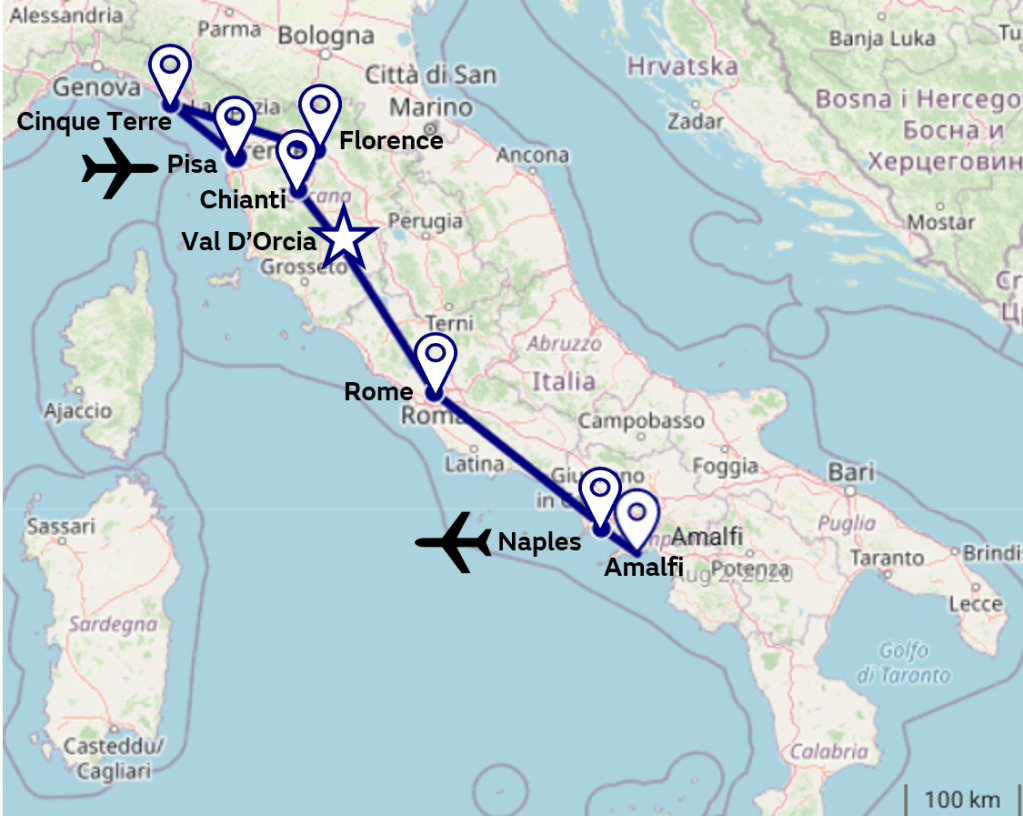
Italy has so many specular areas to visit it is hard to fit them all into one trip. We recommend working your way down the west coast of the country where the main sights aren’t too far apart. This itinerary can largely be completed by train, but renting a car to breeze around the Tuscan countryside is a must!
☆Don’t miss: Staying in an old farm house in Tuscany and visiting one of the many vineyards for a wine tasting experience.
Day 1: Cinque Terre
Fly into Pisa. Unless you are really keen to visit Pisa’s main attraction, the leaning Tower of Pisa, we would suggest hopping straight on the next train to La Spezia, the main station on the doorstep of Cinque Terre.
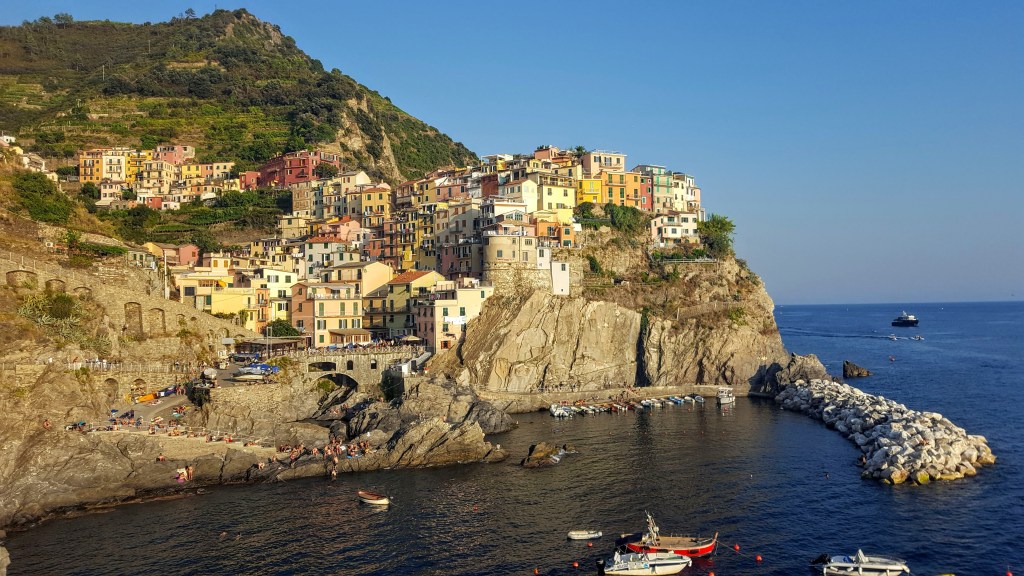
Cinque Terre (“Five Lands”), a Unesco Heritage Site, is a beautiful coastal region made up of five pastel coloured villages, each one more idyllic than the next. From west to east there is Monterosso, Vernazza, Corniglia, Manarola and Riomaggiore. The area is known for its pesto, focaccia and sweet Sciacchetra wine. Each village has its own unique character, we elected to base ourselves in Manarola which was fantastic, but we would have been happy staying in any of the villages.
We spent the afternoon pottering around the little village and harbour, popping into the charming shops scattered throughout the narrow streets. We had an early dinner at Nessun Dorma, an extremely popular restaurant serving deliciously fresh bruschetta, which sits on the hill side opposite the harbour, boasting an iconic view of Manarola town.
Day 2: Cinque Terre
Start early and head to Manarola station to catch one of the regular trains from which connect the five villages. Depending on how long you are staying and how many of the villages you intend to visit, it might be worth getting the Cinque Terre pass. First, take the train to Corniglia, the next village along from Manarola. Perched high up in the cliffs, it is the only village without direct access to the sea. As the village is much higher than the railway station there is a shuttle bus (ticket included in the Cinque Terre Pass) which takes you directly up to the main square to avoid clambering up the hundreds of stairs from the station. Have an alfresco breakfast here at one of the cafes, perched at the tiny tables in the cobbled streets. Corniglia is one of the less visited villages, but we found it to be very quaint and enjoyed exploring the winding alleyways without too many other people milling about.
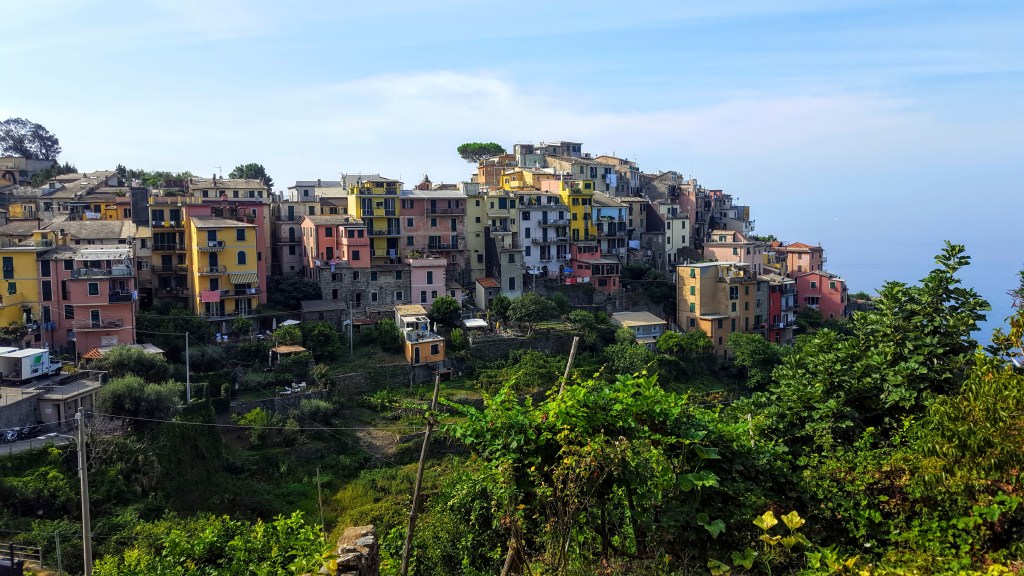
Once you’ve seen what Corniglia has to offer, set off on foot along the 4km coastal trail to Vernazza. It’s better doing it this way round so that you avoid the long climb up from Vernazza which is at sea level. Needless to say, the route is spectacular, winding its way along the coast through olive groves and vineyards. The views of Vernazza as the rocky trail descends into the village are incredibly picturesque.
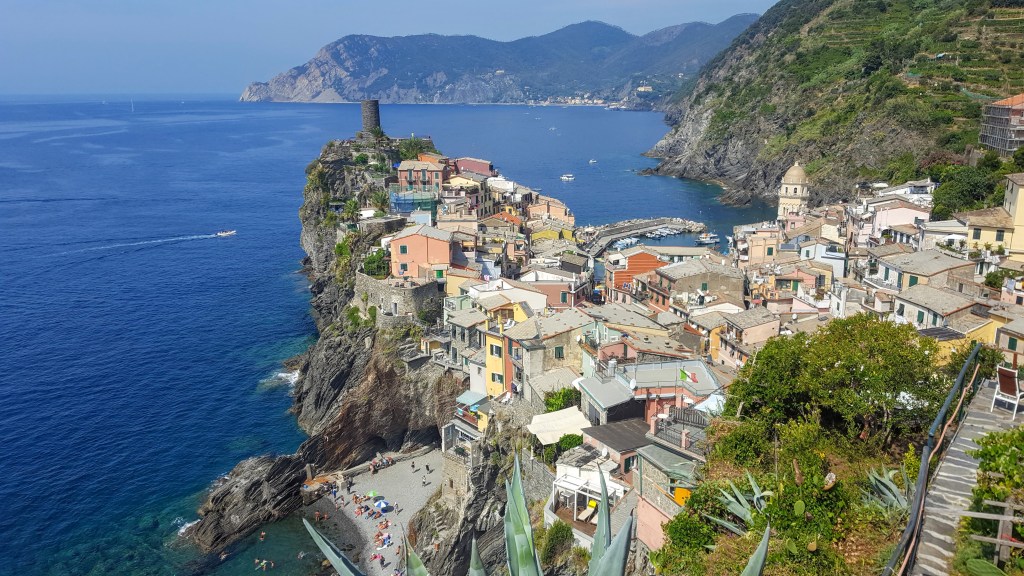
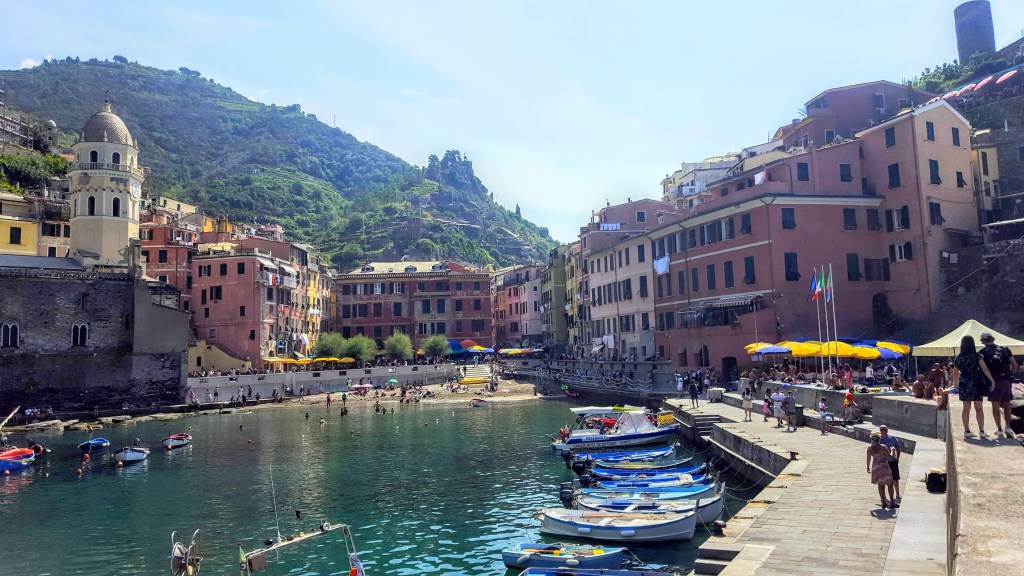
The downside of doing the route this way round meant that by the time we got to Vernazza, the rest of Cinque Terre had also found their way there – so start early to avoid the crowds! We grabbed a take away focaccia from a bakery and ate it on the marina wall looking back towards the pastel coloured village. We also climbed up to Doria Castle, a small cylindrical tower at the top of the town, which offered some lovely views over the harbour and out to sea. Underneath the mound the castle is built upon is a huge arch carved by the sea which most people head through to get to the beach on the other side. It feels like it should be a quiet, secluded beach cut off from the rest of the bustling town, but it is one of Vernazza’s worst kept secrets. That being said, we managed to clamber across the rocks to get a little further round from all the crowds and the water here is clear and beautiful to swim in.
Once you’ve cooled off, wander back through the main street of Vernazza to the station, browsing the shops along the way. Catch the train back to Manarola.
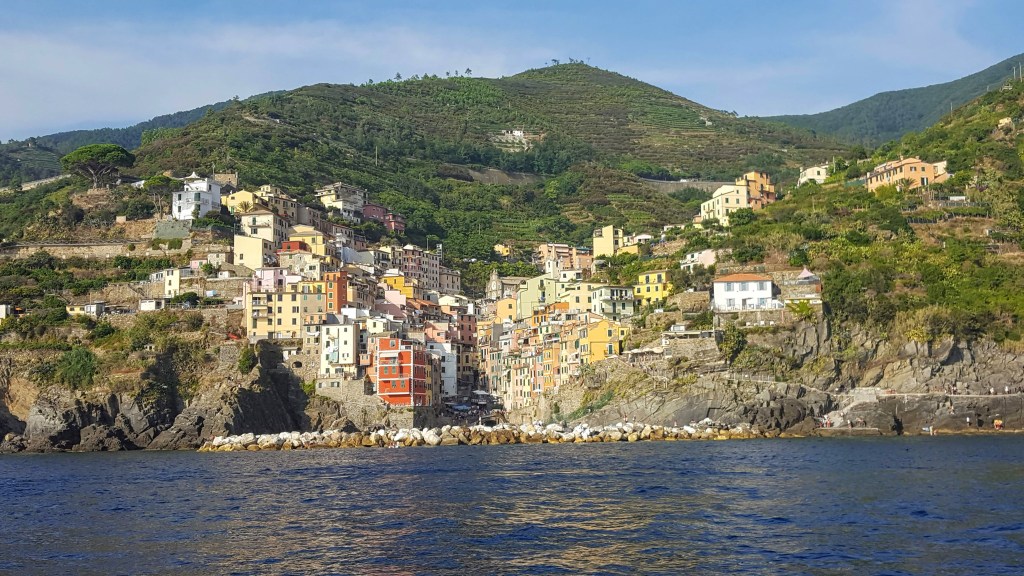
We visited Riomaggiore for dinner. There is a nice paved walk clinging to the cliffs between Manarola and Riomaggiore which only takes half an hour. Unfortunately this was closed during our trip for major renovations, so we caught the ferry from the other side of Manarola’s rocky breakwater. This was a lovely way to enter Riomaggiore, with views from the boat right up the main street as you dock. We explored the village which is extremely pristine and felt slightly more upmarket than the other three villages we had visited previously. We stopped in at Tutti Fritti to pick up a cone of fresh fried sea food which we enjoyed by the harbour front watching the sun set over the horizon. We caught the train back to Manarola after dinner.
Day 3: Florence
Jump on the train to Florence early in the morning to give yourself a full afternoon exploring this beautiful renaissance city. Florence is internationally renowned as one of the most beautiful cities in the world and its centre was declared a Unesco World Heritage site due to its cultural significance, its renaissance art and architecture.
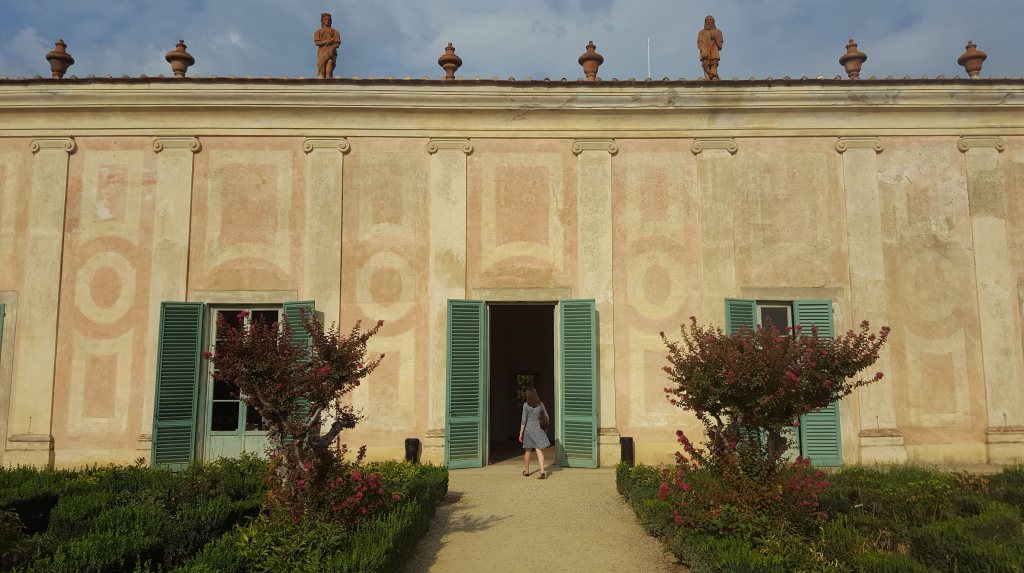
We spent our first afternoon in Florence exploring the streets on the south side of the river Arno. Here you can visit Pitti Palace and the pristine Boboli Gardens. It you walk right to the end of the gardens you get your first view over the Tuscan countryside with villas and monasteries perched on top of rolling hills dotted with rows of cypress trees.
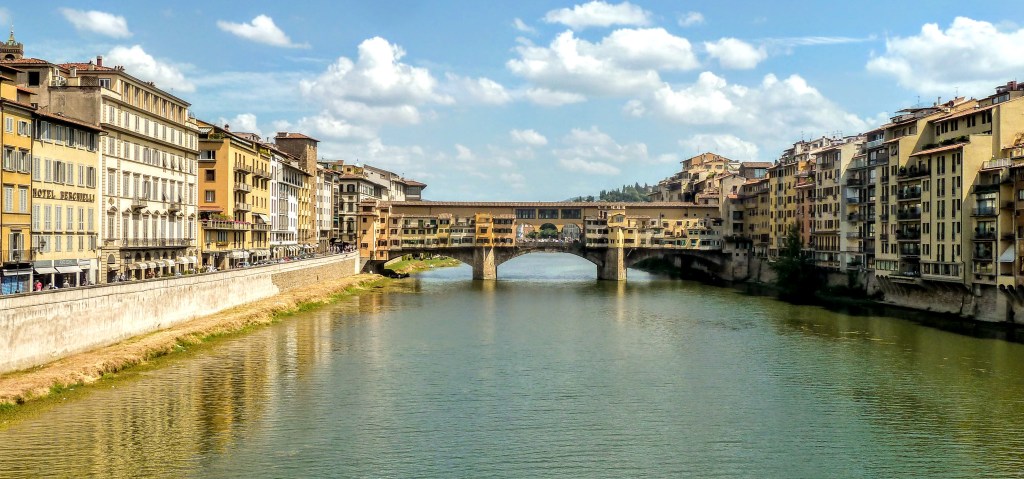
Head across the river on Ponte Vecchio, a beautiful stone bridge lined with jewellery shops, to the city centre. Wandering the narrow streets is very pleasant in the evening and a great way to soak up the bubbling atmosphere, with people eating and chatting outside and buskers performing in the main Plazas.
Day 4: Florence
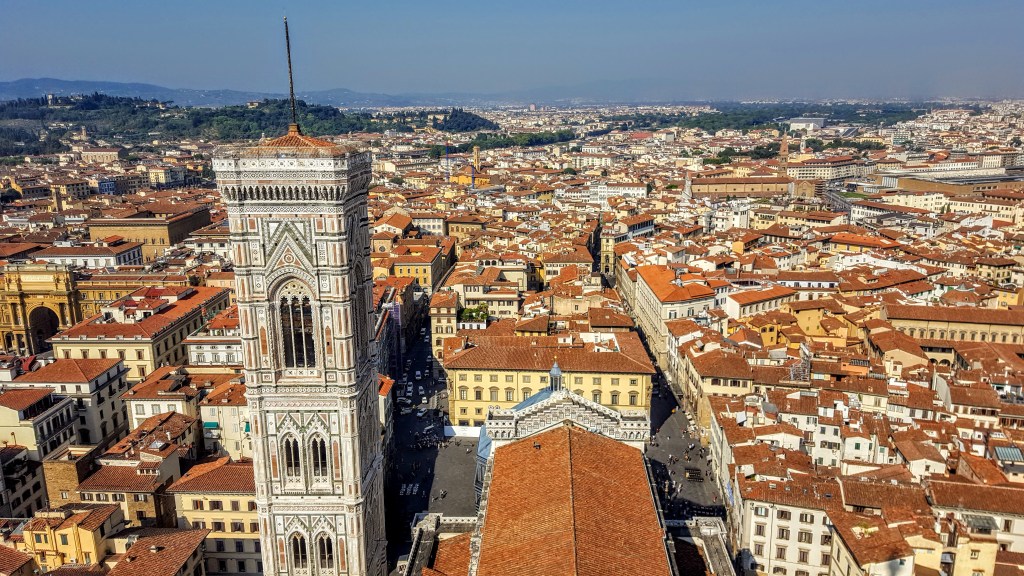
Get up early to climb to the top of the Duomo (Cathedral Santa Maria del Fiore) for some fantastic views over the city. Make sure to book this in advance as it is a very popular tourist attraction. The climb consists of a considerable number of stairs and some incredibly narrow passageways that weave their way up the dome, but it is worth it when you reach the top.
For lunch, head over to the Mercato di San Lorenzo, a covered food market with a very local feel.
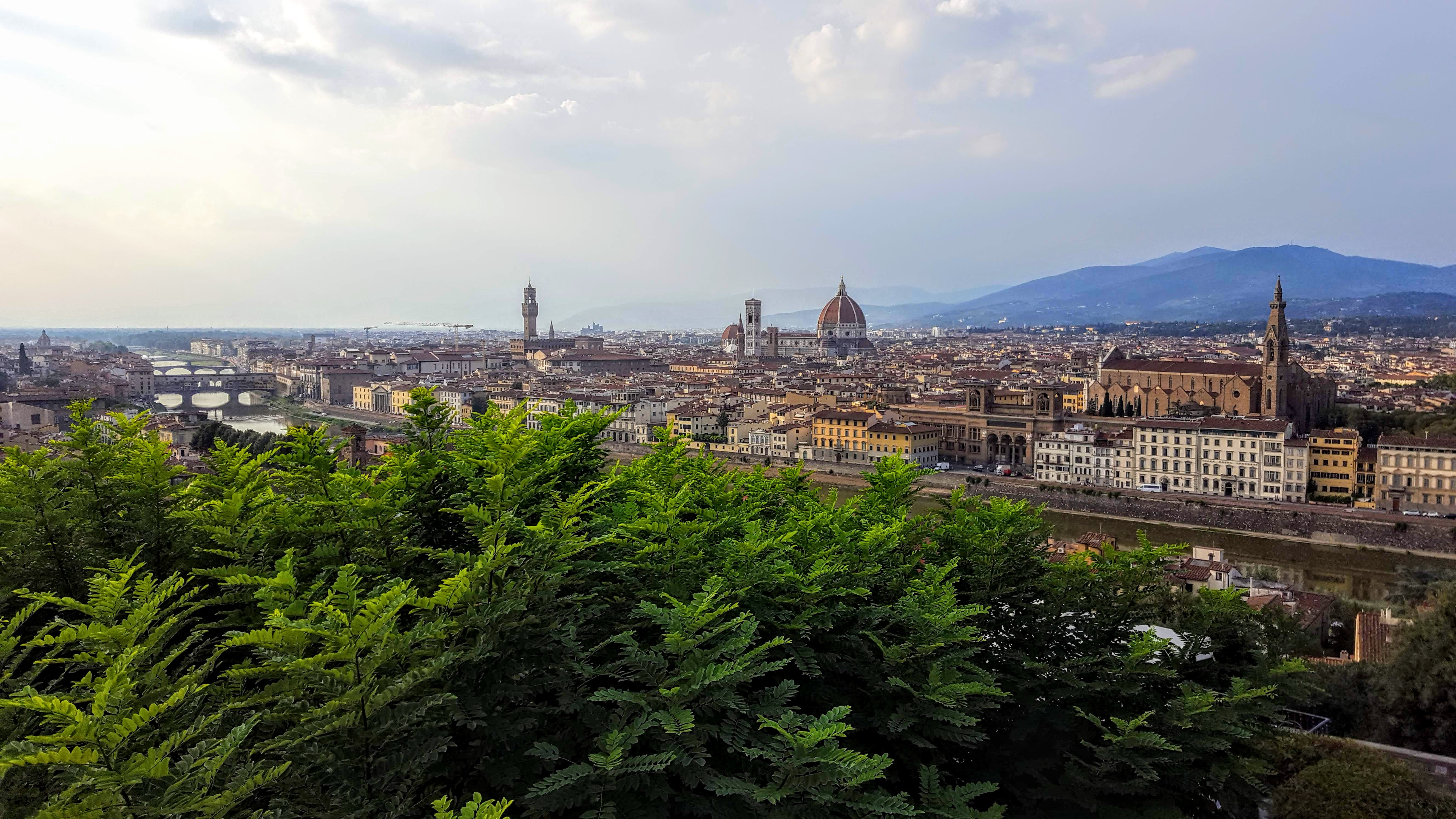
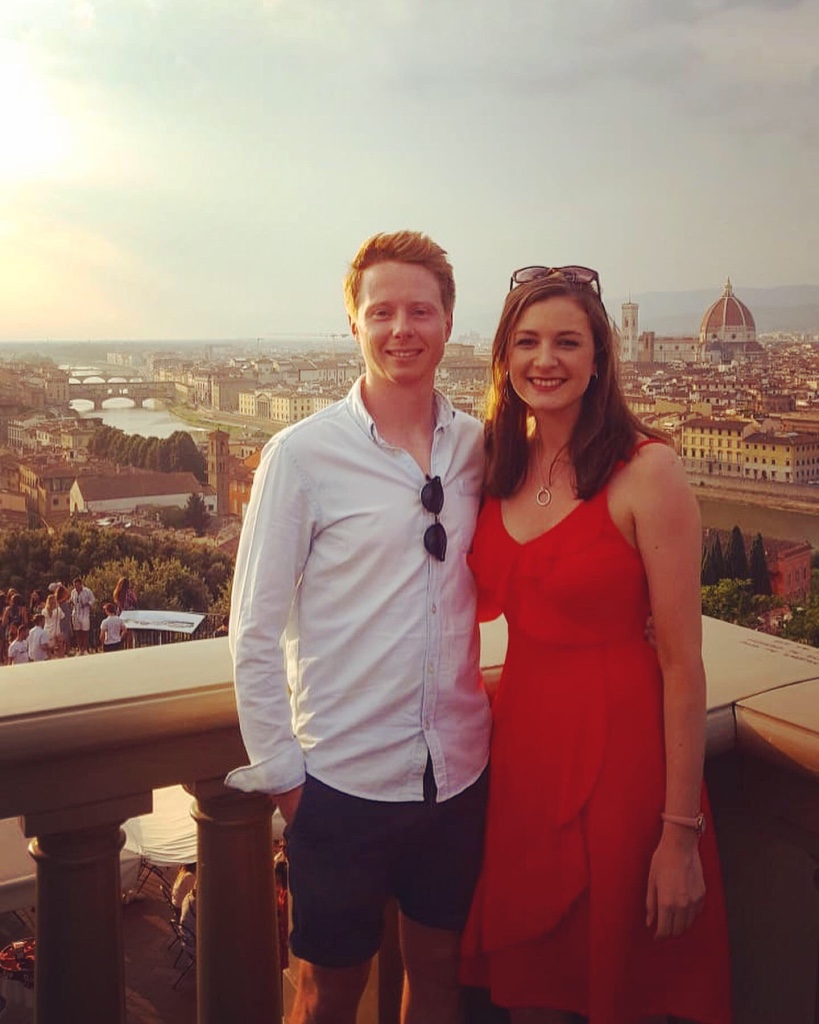
Spend some time exploring some more of the beautiful city centre before walking up to the Piazzale Michelangelo on the south side of the Arno for some pretty special panoramic views over the whole of Florence. It’s a fantastic place to spend an evening watching the sun spread its golden light across the city.
Watch out for the many street hawkers who target romantic couples with flowers and friendship bracelets “free of charge”. They tie the bracelet on tightly and then ask for a “tip”. If you don’t pay up you will be mildly harassed and the romantic moment at the plaza will be gone.
Day 5: Tuscany, Chianti
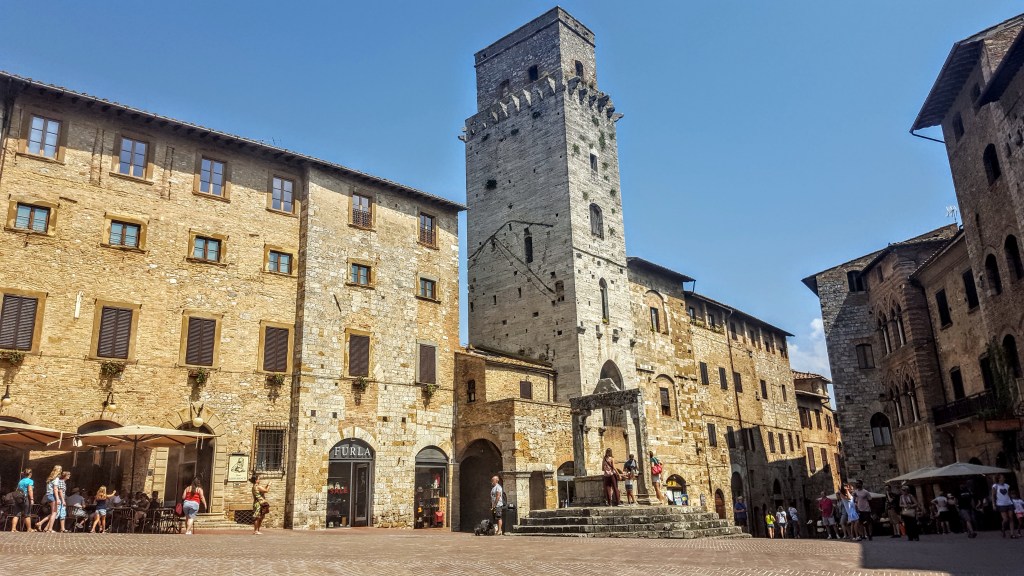
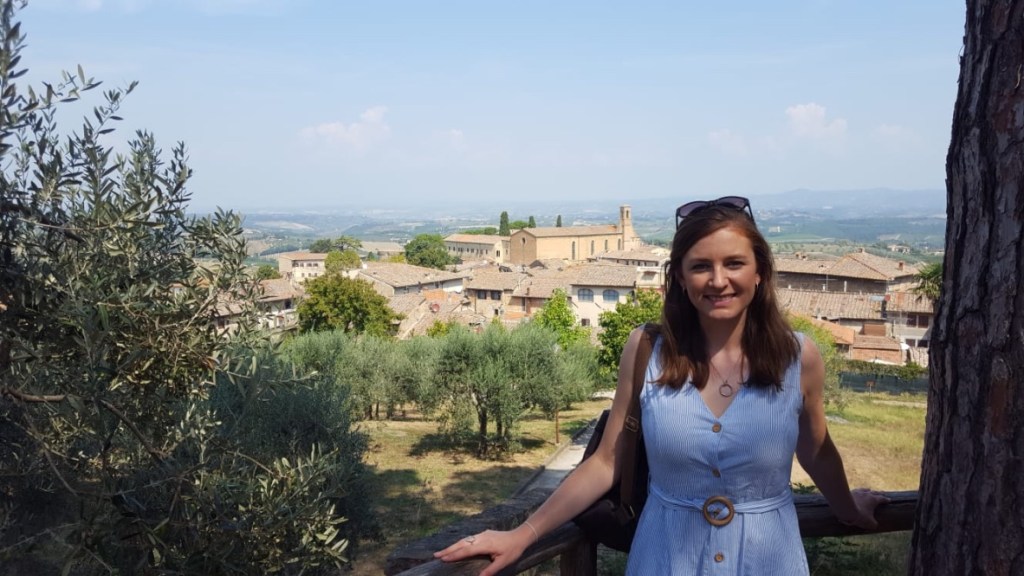
Rent a car in Florence and head out into the Tuscan countryside. Driving around Tuscany is a great way to experience the countryside and visit some of the hilltop towns at your leisure. One of the best towns to visit in the Chianti region is the heavily fortified medieval town of San Gimignano with its 14 towers rising high above its walls, just a 1 hour’s drive from Florence. Climb up one of the towers for some breath taking views over the town and the surrounding countryside. The main street is lined with beautiful shops selling local products including leather goods, hams and cheeses, wine and more.
Of course while you’re in Chianti it makes sense to stop in at one of the vineyards and taste some of the region’s famous wines. There are plenty of different wineries to choose from, some giving you more of an immersive experience than others.
Day 6: Tuscany, Val D’Orcia
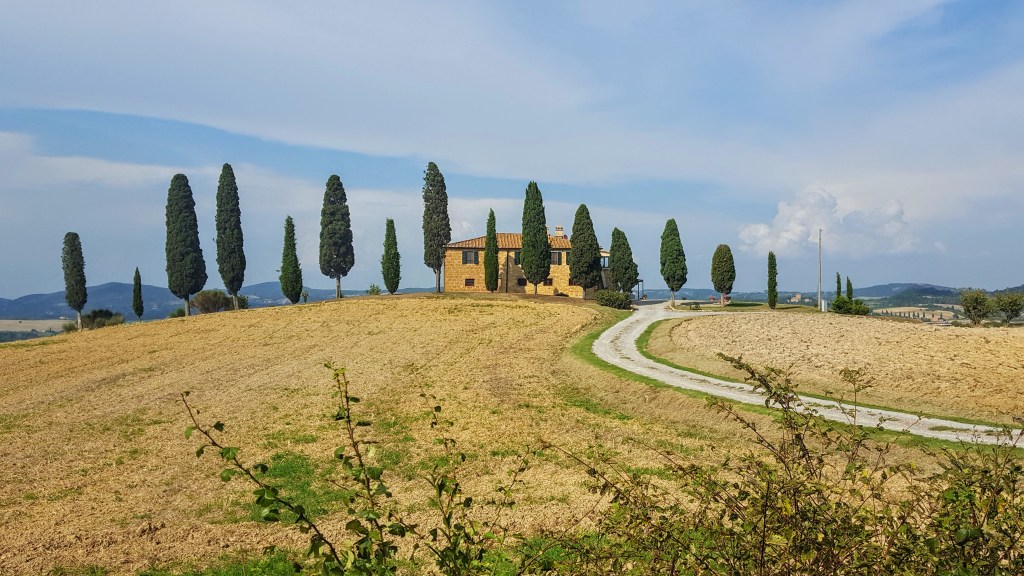
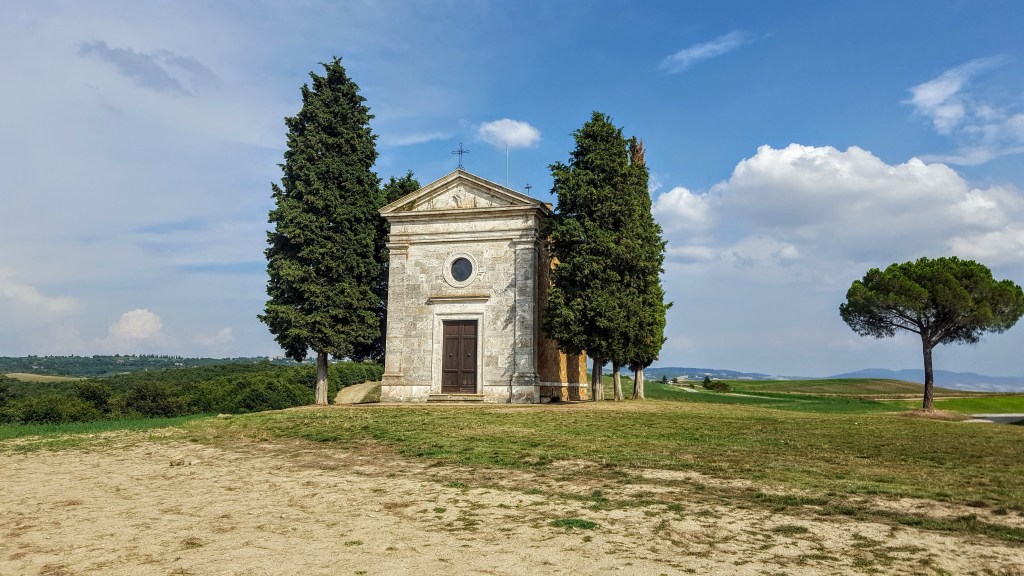
Drive further into Tuscany, heading to the Val d’Orcia region, where the whole area has been declared a Unesco World Heritage site. This is where Tuscany is at its most picturesque, with classic medieval towns perched on the top of the rolling hills coated in golden fields of corn, tall sunflowers and rows and rows of grape vines.
If you are spending longer than a week in Tuscany we would recommend stopping in Siena on the way down to Val d’Orcia and there are many more towns such as Monteriggioni which are well worth the visit.
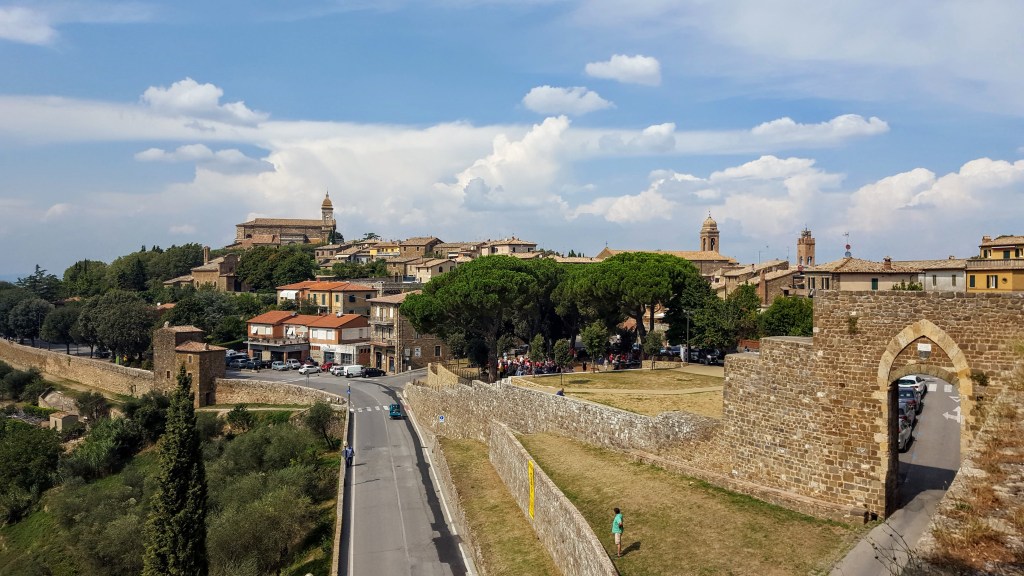
The first stop on our list in Val d’Orcia was Montalcino, a quaint walled town guarded by a stone fortress, which looks like it hasn’t changed for the last century or more. The town has become rich and famous for its Brunello wine, one of the country’s most globally appreciated wines.
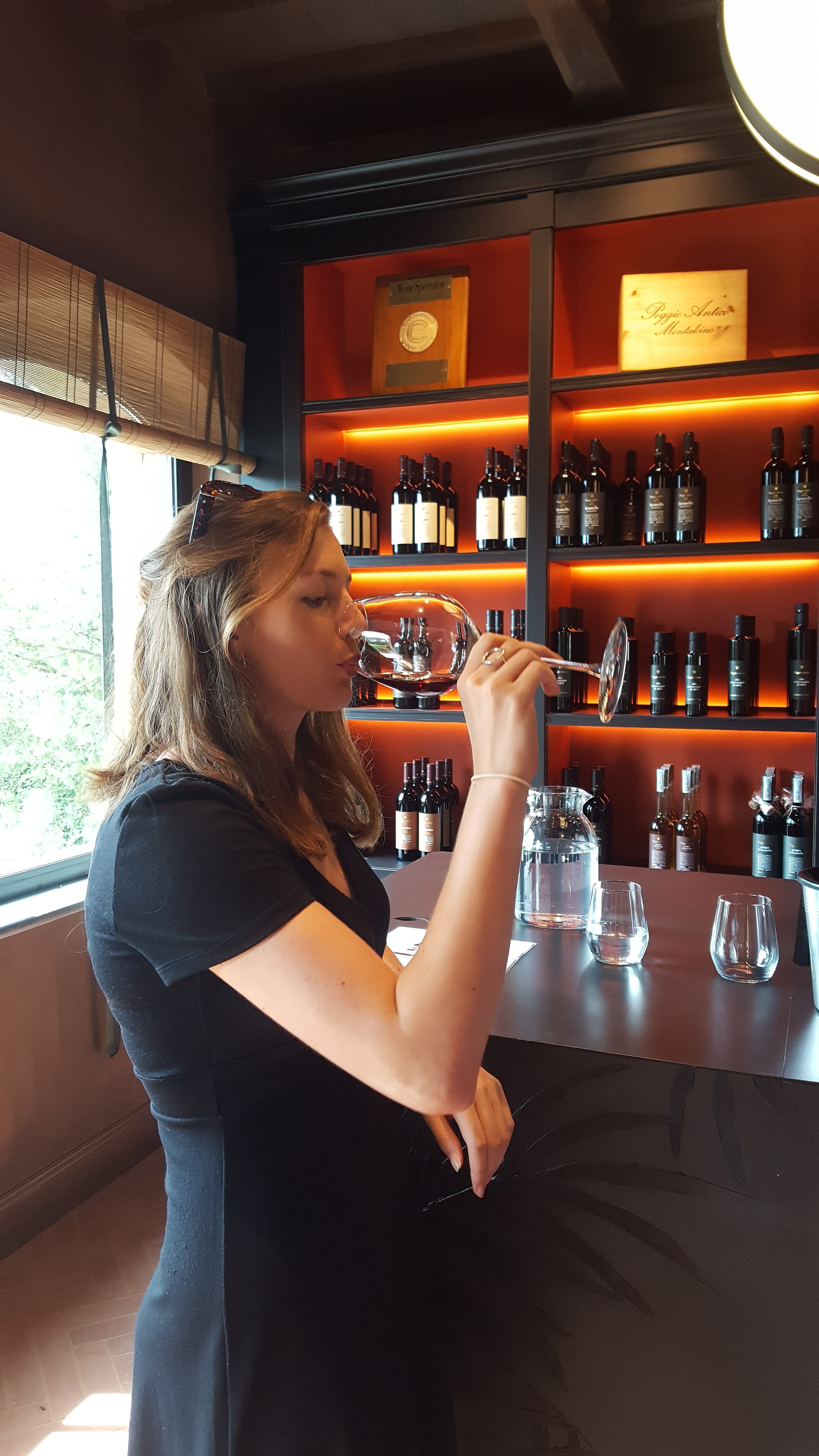
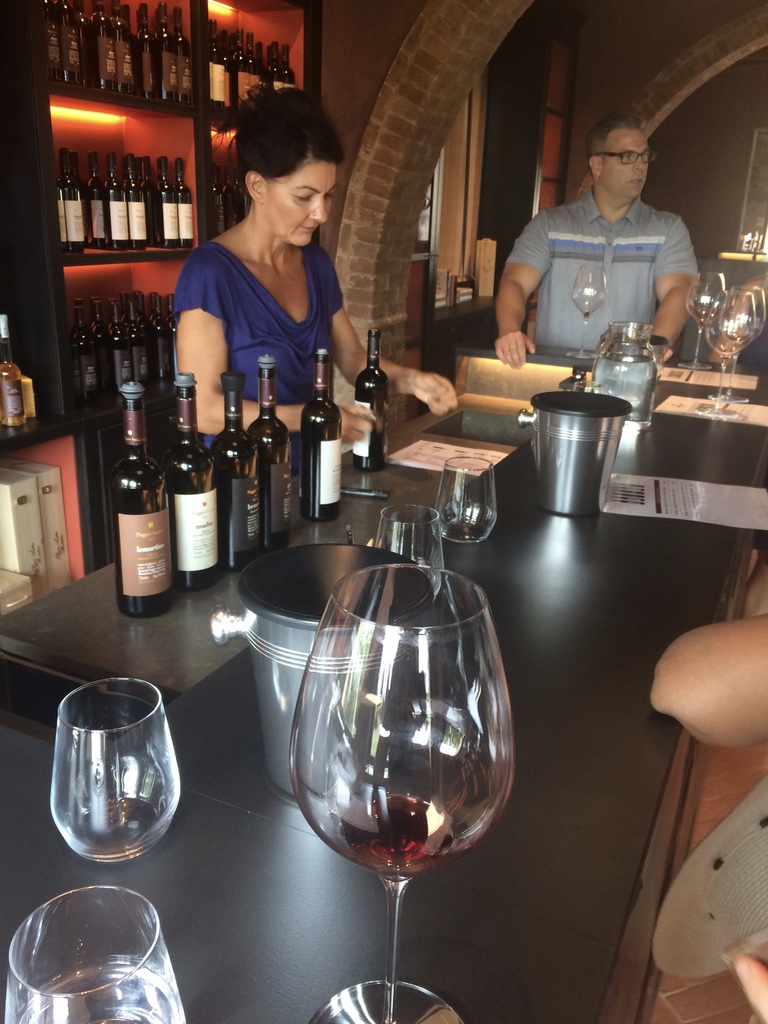
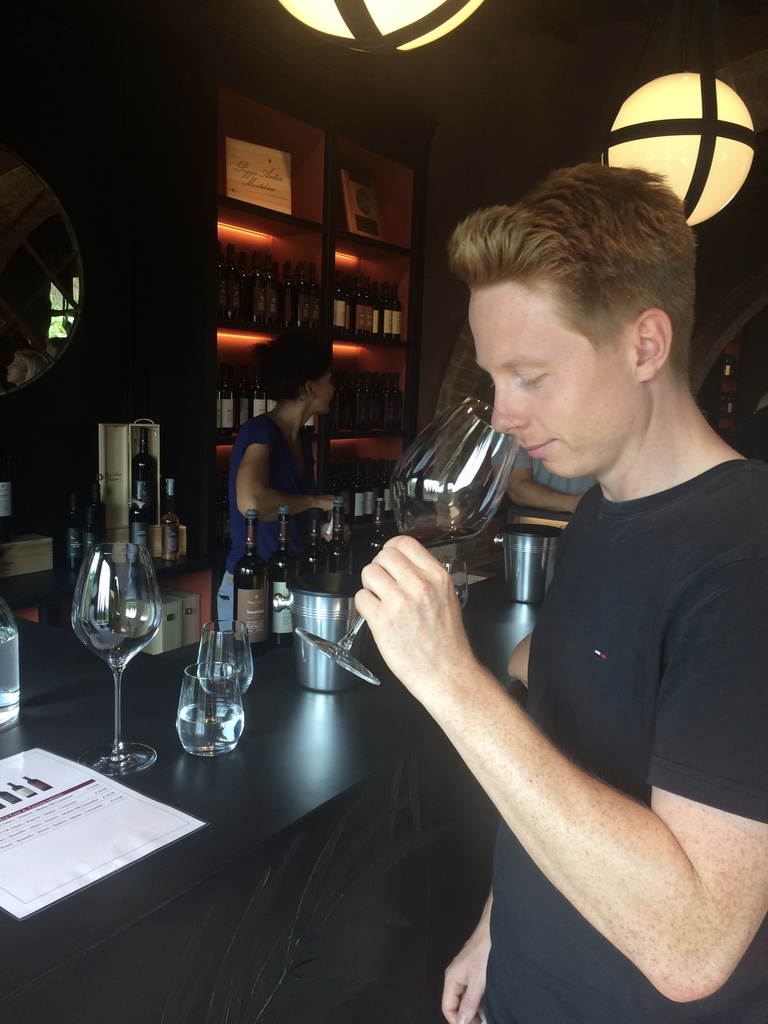
Make sure to visit a vineyard for a tour and to taste some of region’s best vintages. We would recommend Poggio Antico where they run tours of the cellar, the wine making process, and finish up with an informative wine tasting tasting experience.
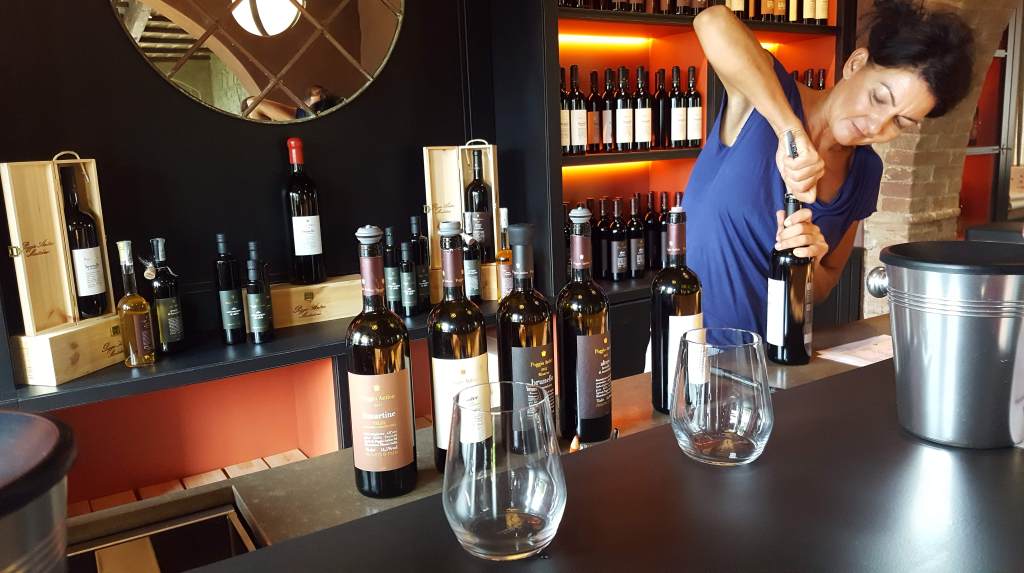
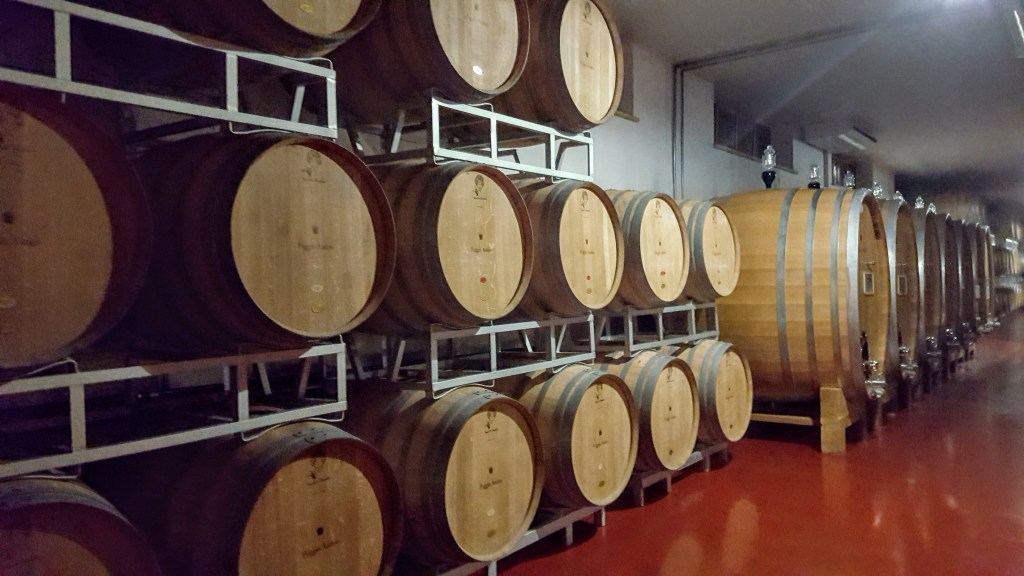
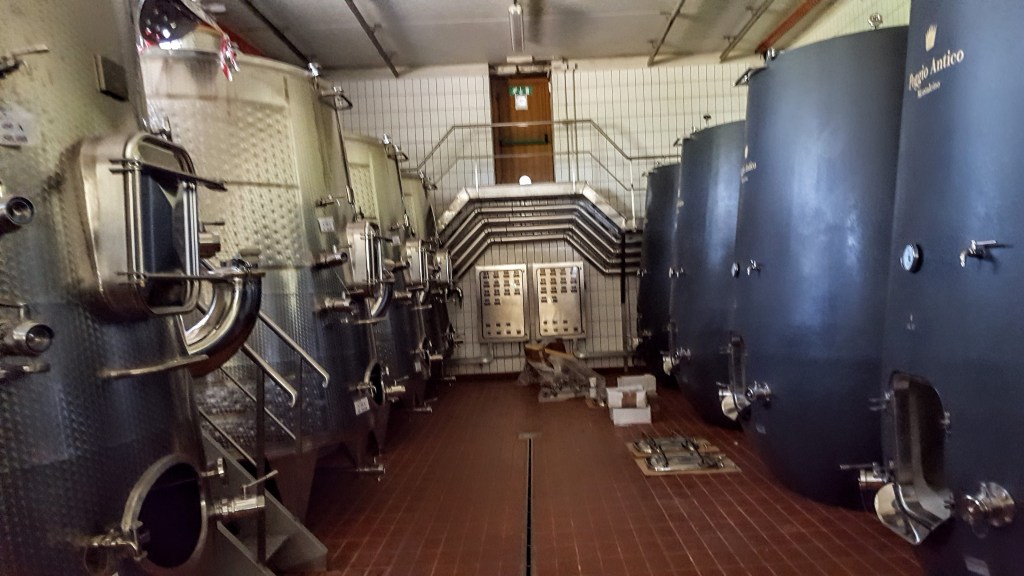
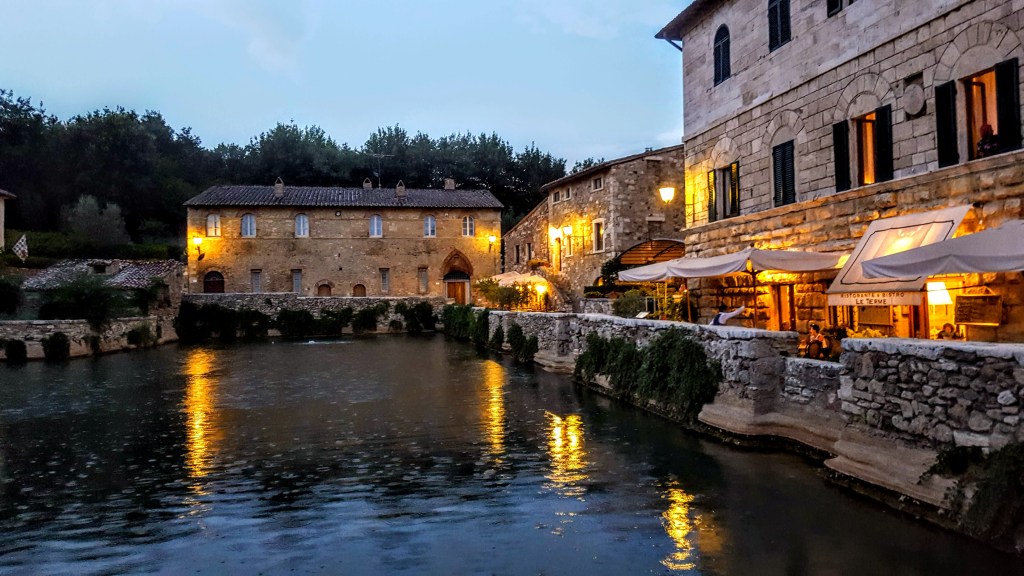
In the early evening, head to Bagno Vignoni, a lovely village built around natural hot springs. Instead of the usual Piazza filled with restaurant tables and parasols, Bagno square is a pool filled with water from the hot springs. Have a deliciously authentic meal on the terrace of Ristorante Enoteca la Terrazza, overlooking the water. On cooler evenings, the atmosphere here is almost mystical with the square lit up and steam rising from the springs.
Day 7: Tuscany Val D’Orcia
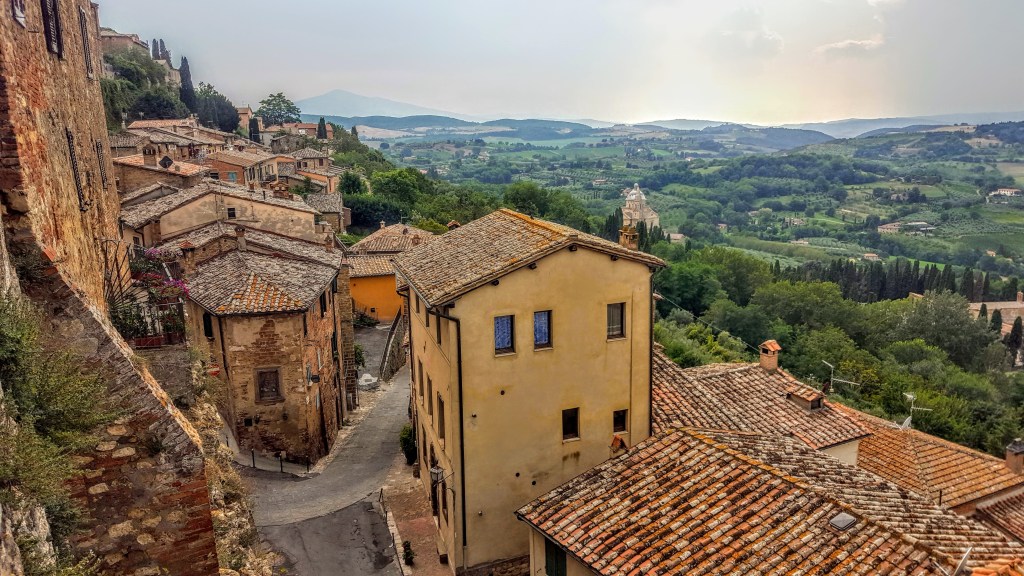
Head to Montepulciano, one of the best known hill top towns in Tuscany and, of course, the origin of the famous Montepulciano Nobile wine. Explore the town on foot, meandering through the steep, cobbled streets all the way to the Piazza Grande at the top. Due to its high vantage point, the town offers some jaw dropping views across Val d’Orcia the the Val di Chiana valleys.
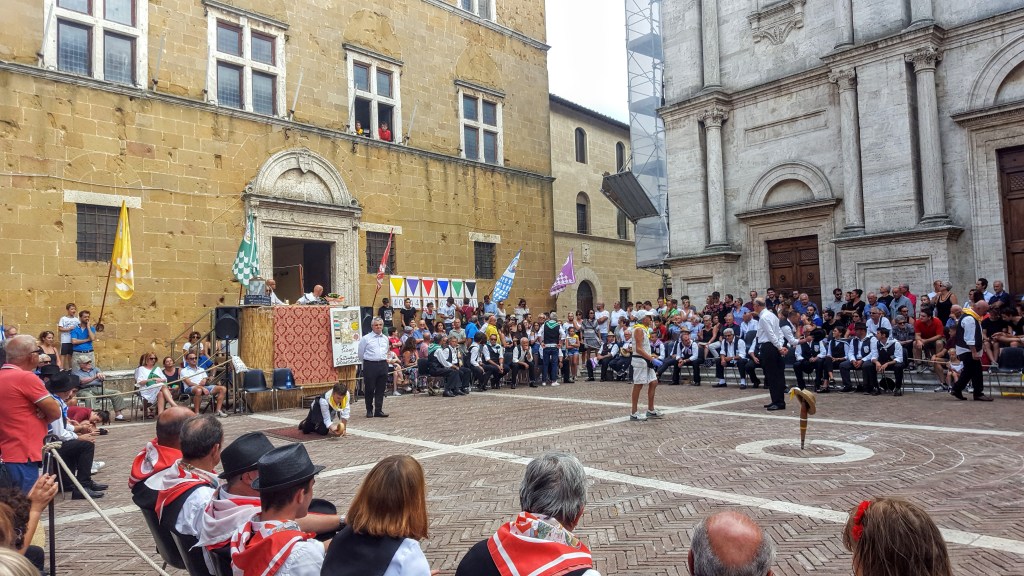
Head to the next charming Tuscan town on the list, Pienza. Similarly to its neighbouring towns Montepulciano and Montalcino, Pienza has a strategic hill top position with some some more fantastic panoramic views (we swear you won’t get bored of them!). It is also the home of pecorino cheese, meaning the town is packed with cheese shops as well as the usual smattering of enotecas. In fact Pienza loves cheese so much that they have an annual cheese rolling festival named Fiera del Cacio every September (which we happily stumbled across by pure luck!). For the main event of the festival, the town is divided into several teams, each of which take turns to roll an entire round of pecorino cheese around a central spindle (fuso) in the square.
Head south to Rome for the next leg of the trip (if you have taken our advice and hired a car for the Tuscany section of the itinerary, either drive it back to Florence and take the train down to Rome, or pay a bit extra to return the car in Rome instead).
Day 8: ROme
With its world famous archaeological sites, artistic prowess and cuisine, Rome needs no introduction. It is possible to spend a whole week of your holiday in this fantastic city, there is so much to see and do (and drink and eat!).
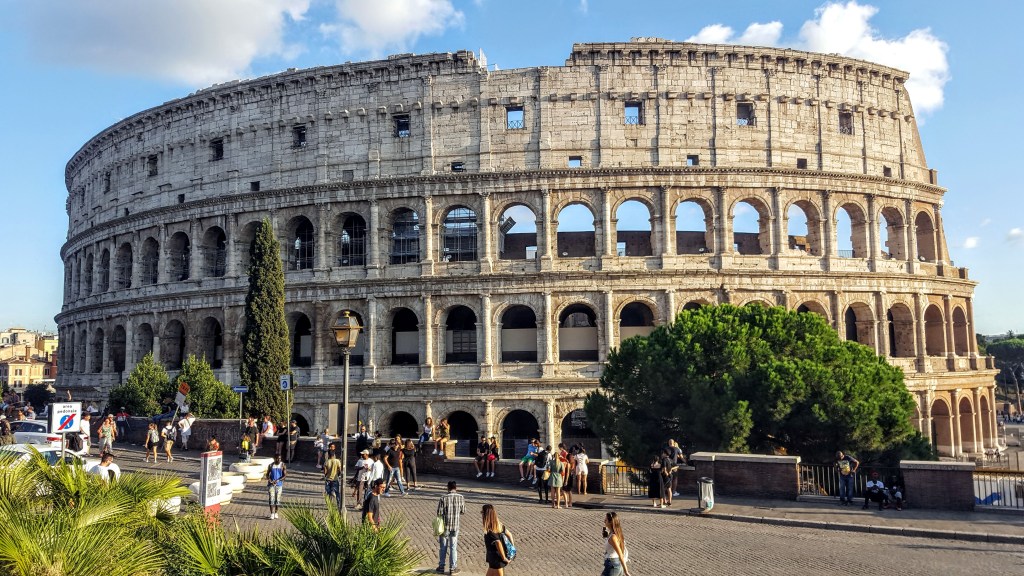
Head straight to the big hitting sites of the Colosseum and the Forum. Make sure to book your tickets before you go (you are required to select your time slot in advance), as this will avoid a lot of queuing. It is definitely worth going inside the Colosseum to really gain any perspective of what it was like to see gladiators fight in front of thousands of Roman citizens.
The Forum is the hub of ancient Rome and is definitely worth a visit, even though the ruins haven’t stood the test of time as successfully as many other Roman sites around the world. Climb up Palatine Hill just behind the forum for a fantastic view over the site, the neighbouring Colosseum and the rest of Rome’s historic centre.
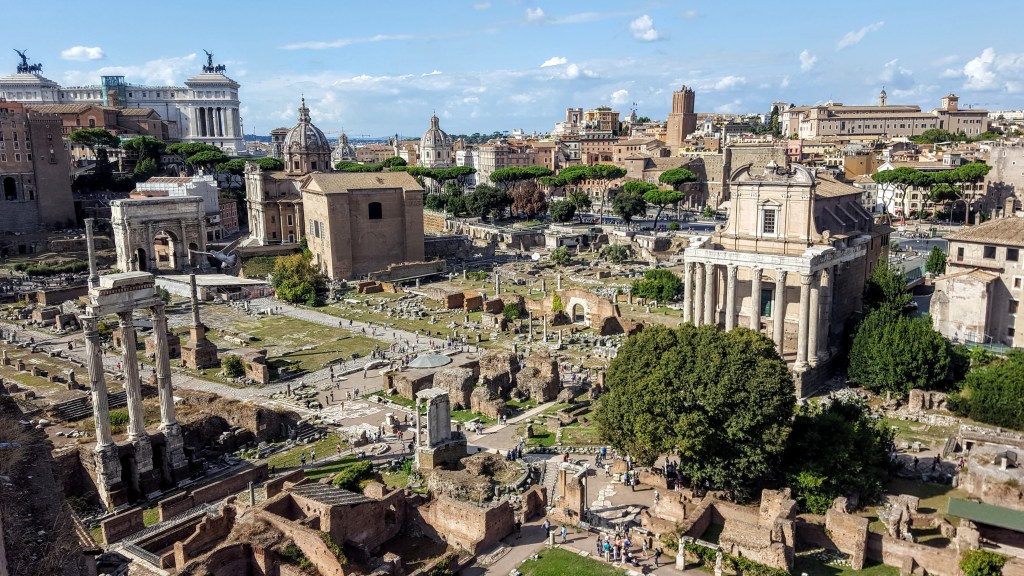
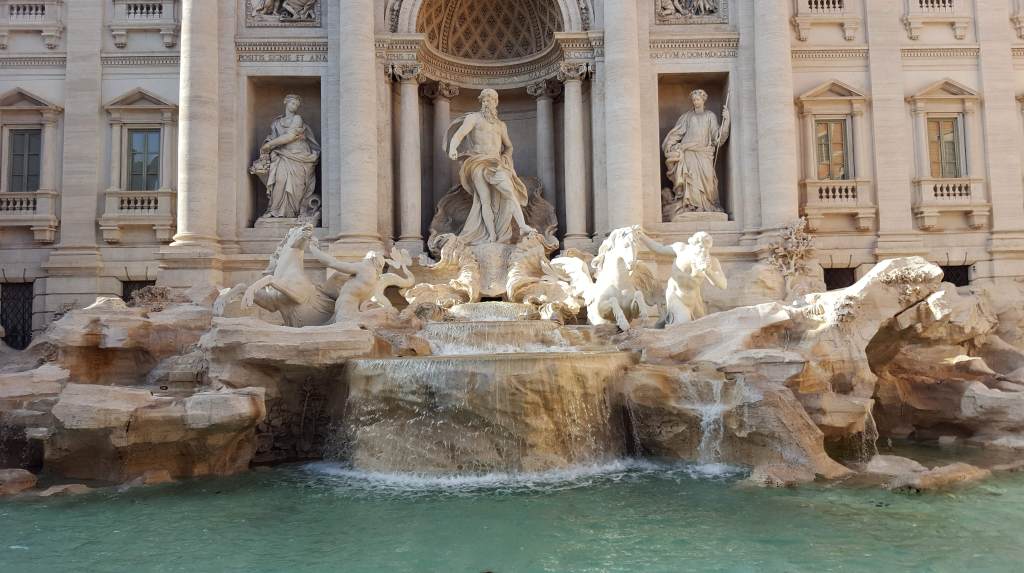
In the afternoon, try a walking tour of Rome which will take you past some of the other highlights such as the Trevi fountain, the Spanish steps, the Pantheon and Piazza Navona. Unfortunately during peak season these sights do get reasonably crowded and there are a number of whistle-blowing police who prevent you from getting too close to the fountains. Make sure to throw a coin over your shoulder into the Trevi fountain for good luck!
Treat yourself to a classic carbonara (which originally comes from Rome) at Fiaschetteria Beltramme near the Spanish steps. If you have room left for something sweet, you have to visit Pompi (you’ll easily spot it from the queues going out for door) for hands down the best tiramisu we have ever tasted!
Day 9: Rome
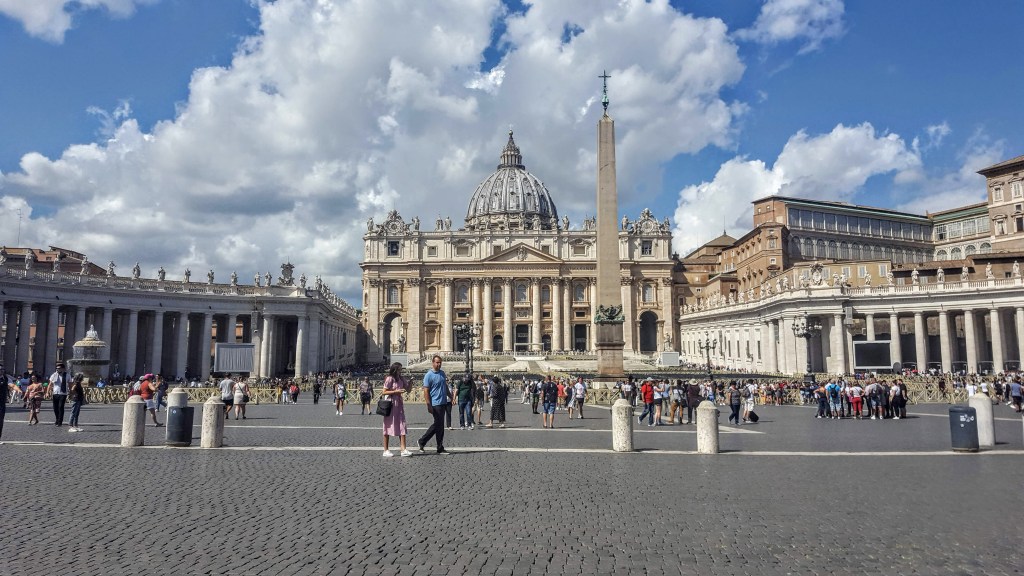
Get up early and head to the Vatican City. The city is home to St. Peter’s Basilica, an unrivaled example of Renaissance architecture and one of the largest churches in the world. The huge dome dominates the skyline and dwarfs St Peter’s square beneath it. It is important to get there early as this is an extremely popular attraction, with millions of tourists visiting every year. There will be a queue and a bag check on the way in, and yes it is important to cover up respectfully when going inside the Basilica.
The Sistine chapel is another site which draws in the crowds, and rightly so, Michelangelo’s frescoes which adorn every inch of the ceiling are magnificent. To get there you must go via the Vatican Museums, this is quite a hot and busy walk which can take a fair amount of time if visiting during the peak of summer. If you appreciate renaissance art, this is a nice build up to the chapel at the end, but if you’re only there for the chapel this can be a little tedious. It is worth noting that photos are not allowed in the museums.
Day 10: Naples
In the morning, hop on the train to Naples. Despite its city centre being a Unesco World Heritage site, Naples is nowhere near as pristine as the other cities we visited. We would recommend only using Naples as a base to visit the main sites of Mount Vesuvius, Pompeii and the lesser known Herculaneum.
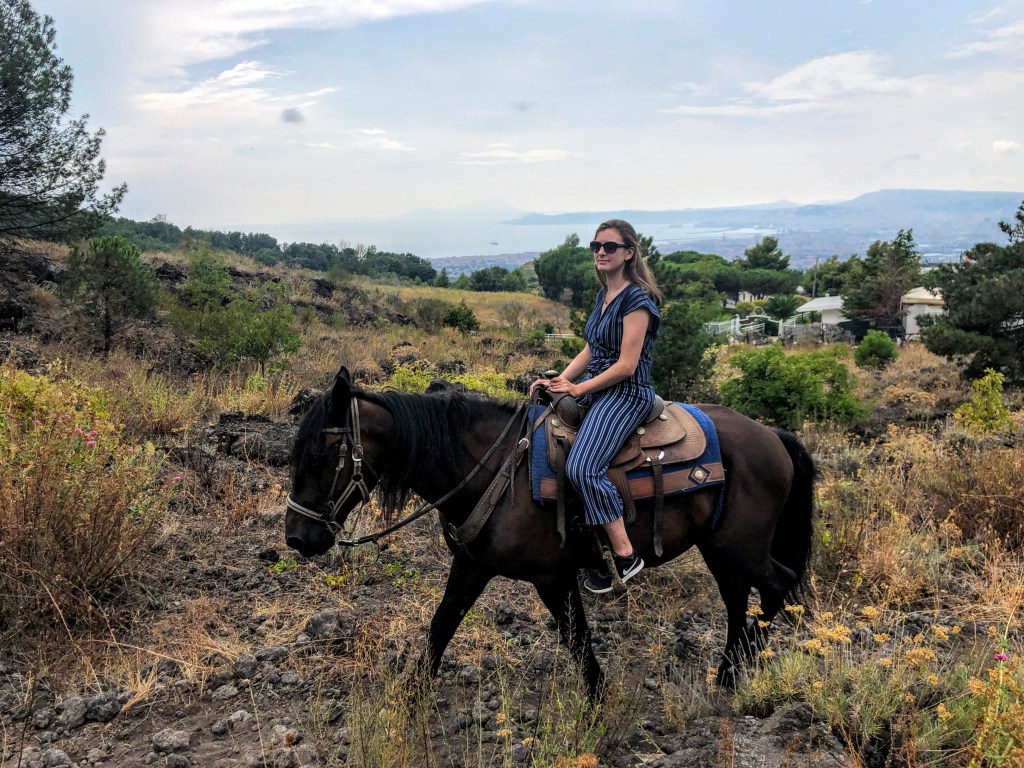
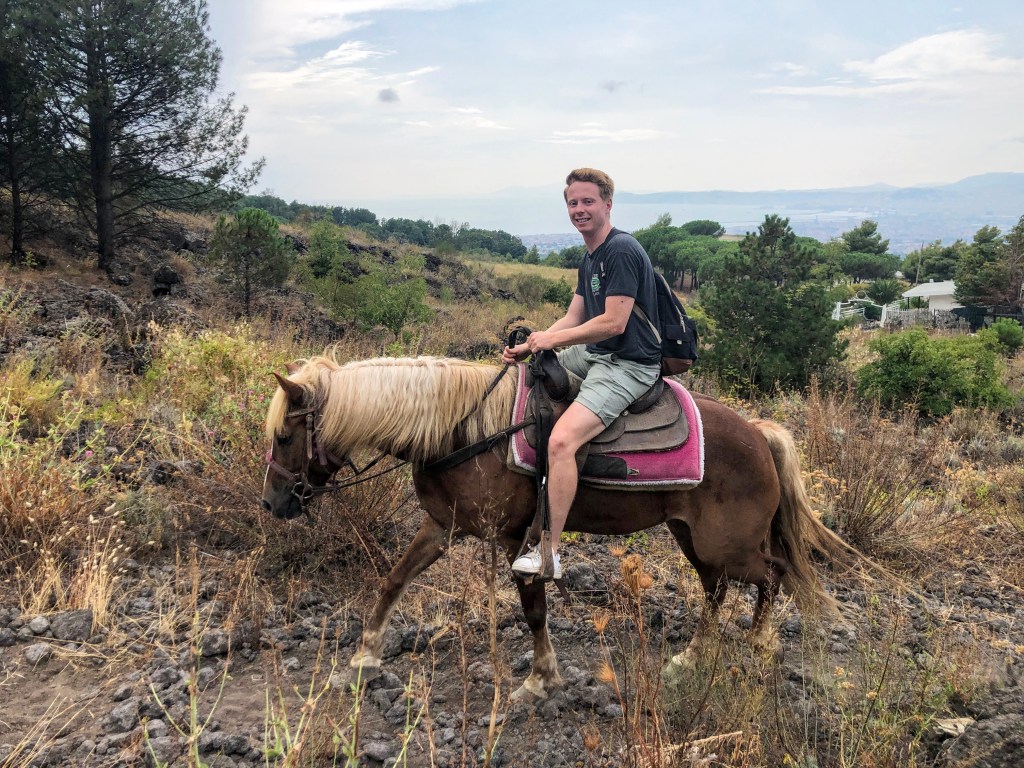
In the afternoon take a tour to Mount Vesuvius, the historic volcano which devastated Pompeii during Roman times. There are many different tour operators offering a variety of different packages to see the volcano. We chose to see the volcano on horseback – a two hour trot up the side of the volcano to a beautiful view point over Naples (but unfortunately not right up to the crater) and back.
One thing Naples did not disappoint with was its food – in particular its pizza. Make sure to visit Sorbillo which churns out some of the best pizza you will ever eat for very affordable prices. Its raging popularity means they don’t take reservations and the queues can be unwieldy. We would recommend turning up 30 minutes before it opens to guarantee a shorter wait.
Day 11: Amalfi Coast
Make the journey to the Amalfi coast in the morning – depending where on the coast you are staying this could require both a bus and a train leg, but it is definitely worth it.
The Amalfi coast is scattered with picturesque towns nestled into the steep, mountainous coastline which drops dramatically into the turquoise sea of the Salerno Gulf. The area is not only famous for its star-studded visitors but also for its lemons, and you will see lemon terraces cut into the steep slopes all along the coast.
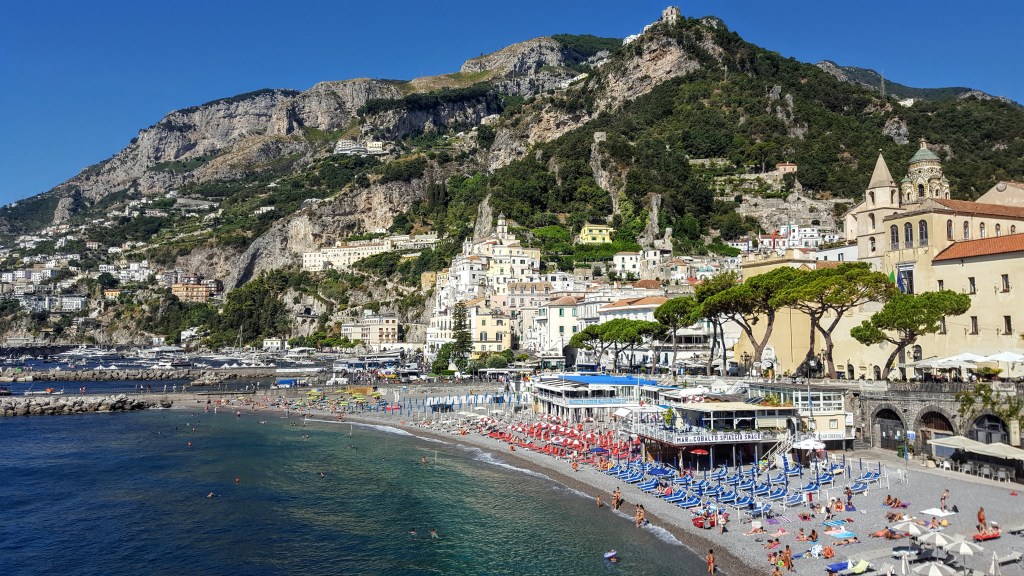
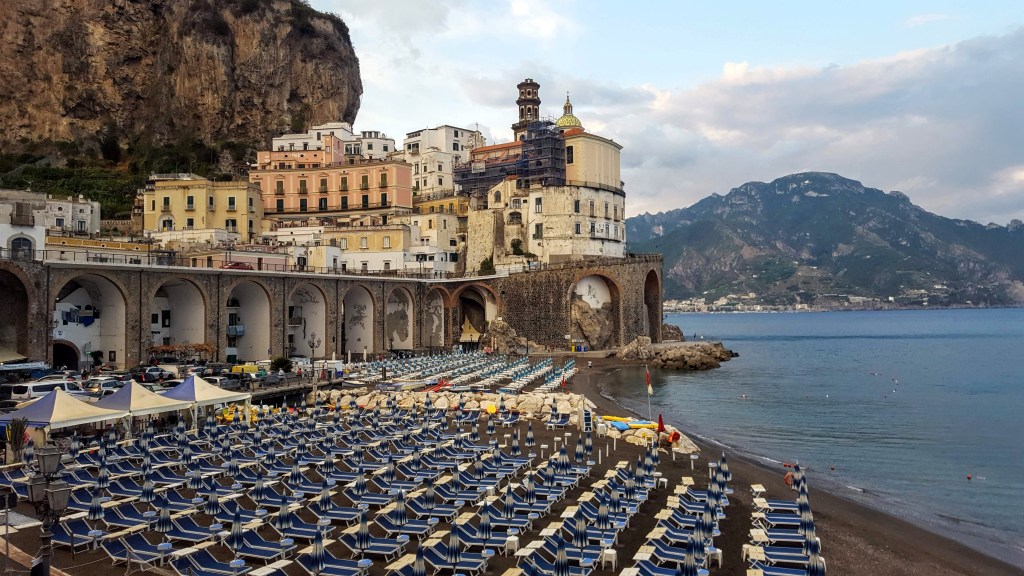
The order of your itinerary will differ depending on where you have chosen to stay: we stayed at the bottom of Ravello, just outside Atrani, a beautiful pastel pink and white village with a black sand beach. We spent the afternoon exploring the area and finishing up with a swim in the beautifully warm sea.
If you are in Atrani for the evening, head to Le Arcate for a seafood feast at a fabulous water side setting.
DAY 12: AMALFI COAST
Get up early and catch a bus to Bomerano, where the trail for infamous God’s Walk to Positano begins. From here, the 6km trail takes you along the top of the cliffs with stunning views all the way. The walk takes you as far as Nocelle, where there is a (disappointingly irregular) shuttle bus which takes you the last mile into Positano. The whole walk from Bomerano to Nocelle takes about 3 hours. There is a nice, simple cafe about half way along the trail which offers a much needed respite and some fresh, cool lemon juice.
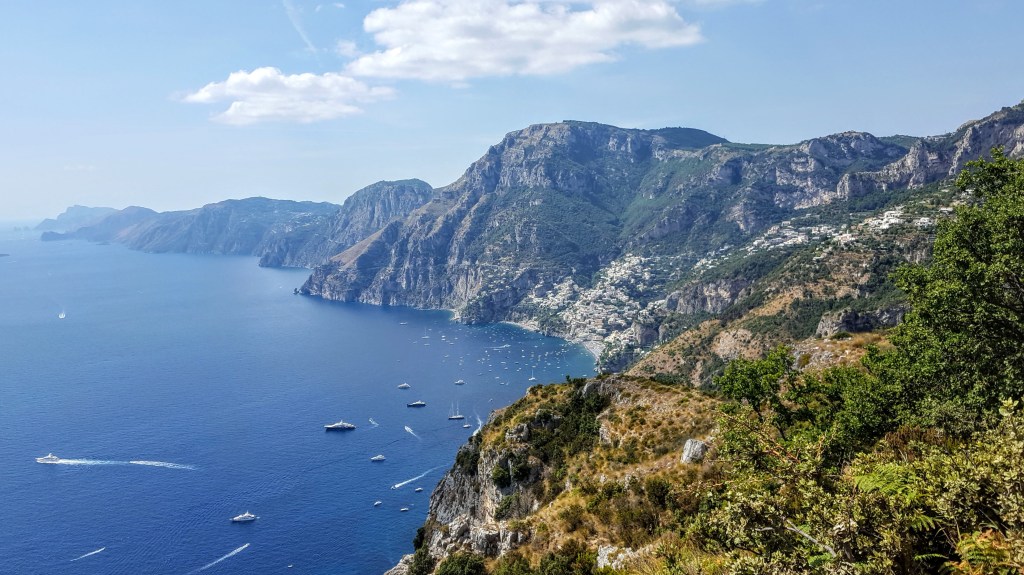
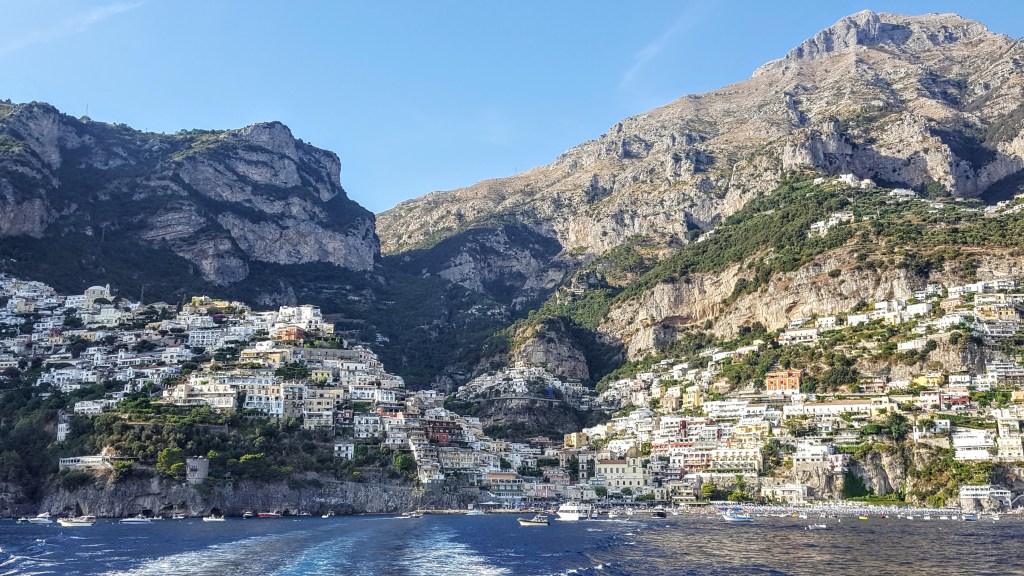
If you set off early enough, you should arrive in Positano around lunch time and there are some great restaurants to choose from. Wander around Positano in the afternoon and take in the mix of upmarket boutiques selling expensive Italian clothes and accessories, and souvenir shops selling all sorts of trinkets, each completely covered in bright lemon patterns. When you’ve explored the winding streets and the sea front of Positano, catch a ferry back to the town you are staying in, a much quicker mode of getting around the coast than the bus.
DAY 13: AMALFI COAST
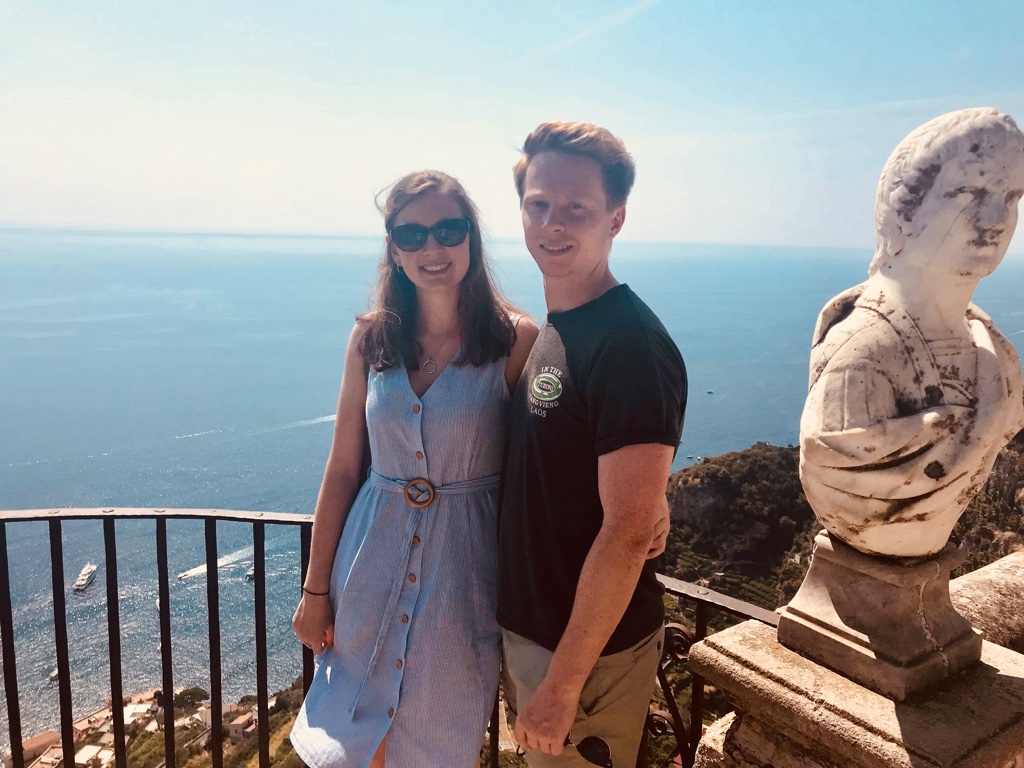
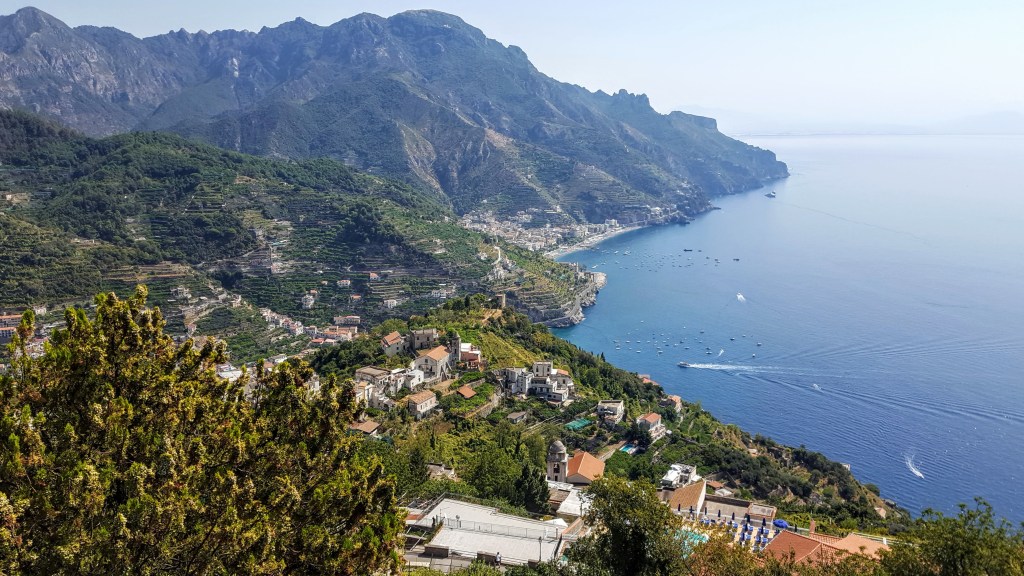
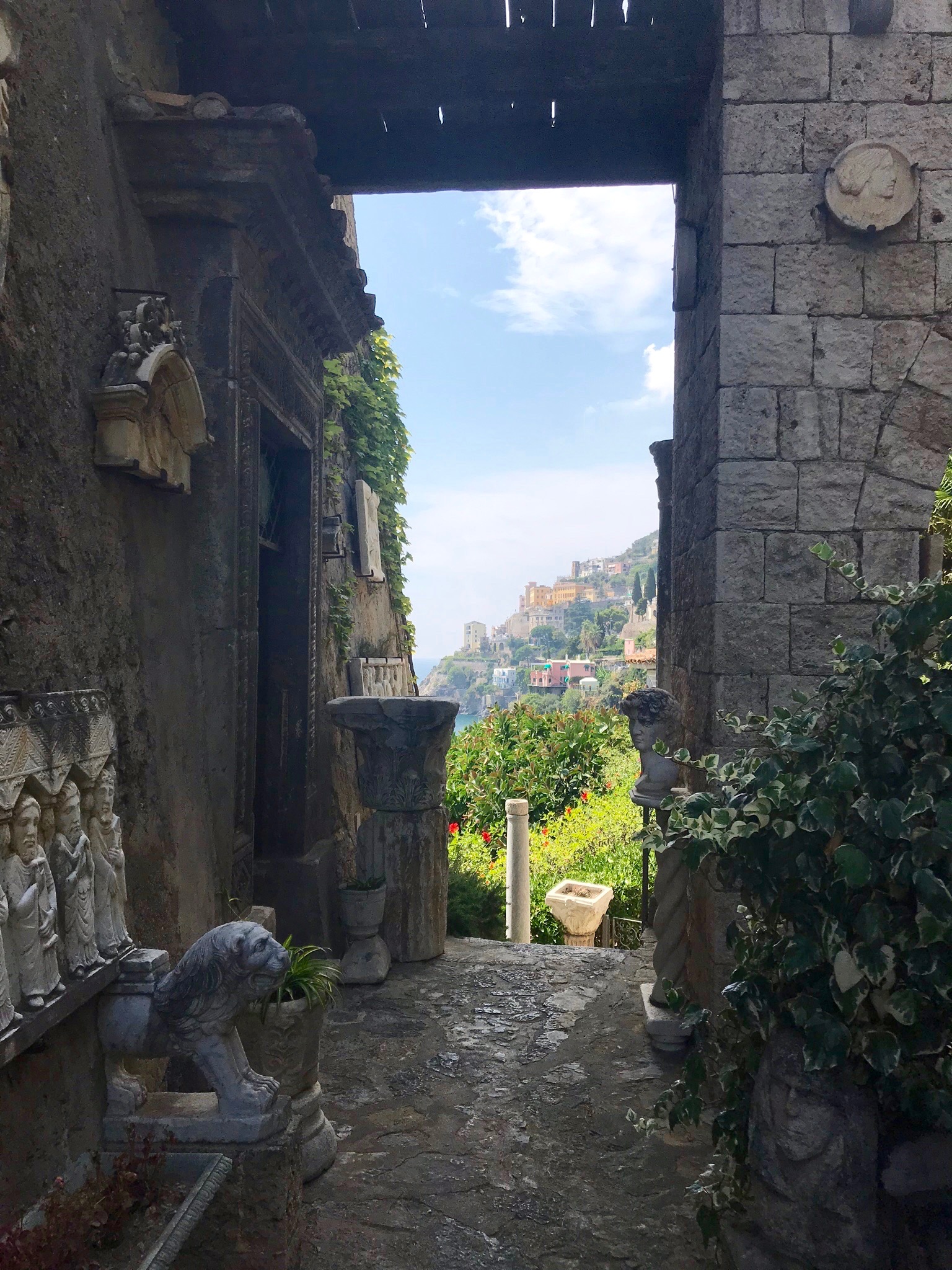
Catch a bus up to the lofty heights of Ravello. Perched in the mountains, the town is famous for the iconic cliffside gardens in Villa Cimbrone and Villa Rufolo. Villa Cimbrone is known for its “Terrace of Infinity”, an ornate terrace lined with marble busts, so called for its fantastic views over the steep drop beneath to the sea.
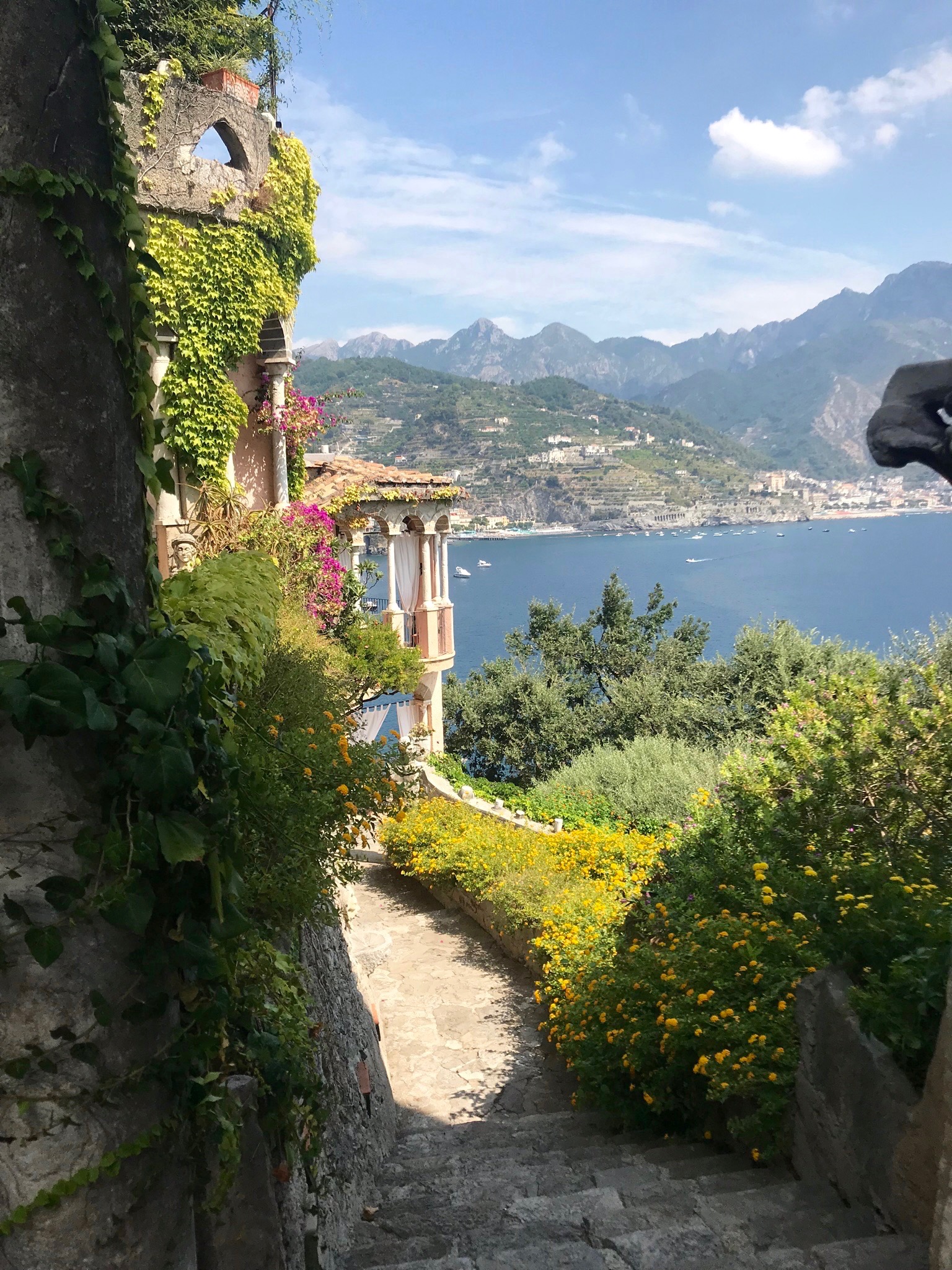
In the afternoon, head down to the sea and take a dip. We rented out a kayak and paddled along the stunning coastline for an hour or two.
Day 14: DEPART
Head back to Naples for your flight home.
 Sunburnt Zebra Travel