

Croatia
Why we loved Croatia…
Terracotta roofs, rustic cliff side drinks, great value food & wine, boat trips; what’s not to love? The Dalmatian coast of Croatia offers the ultimate Mediterranean break.
Adventure
Chill
Culture
Nature
Our one week itinerary
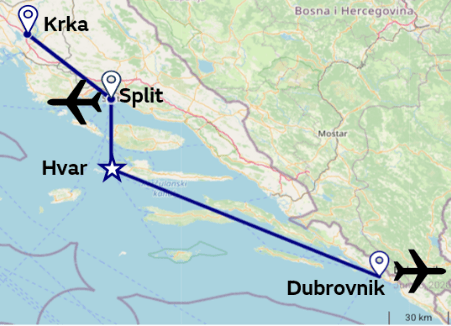
We chose three main bases to visit during our trip to the Dalmatian coast and this itinerary can easily be extended by spending longer relaxing at any one of Split, Hvar or Dubrovnik.
☆Don’t miss: Renting a little motor boat for the day to explore the archipelago of islands around Hvar.
Day 1: Dubrovnik
Fly into Dubrovnik and catch a taxi or one of the many buses from the airport into the city.
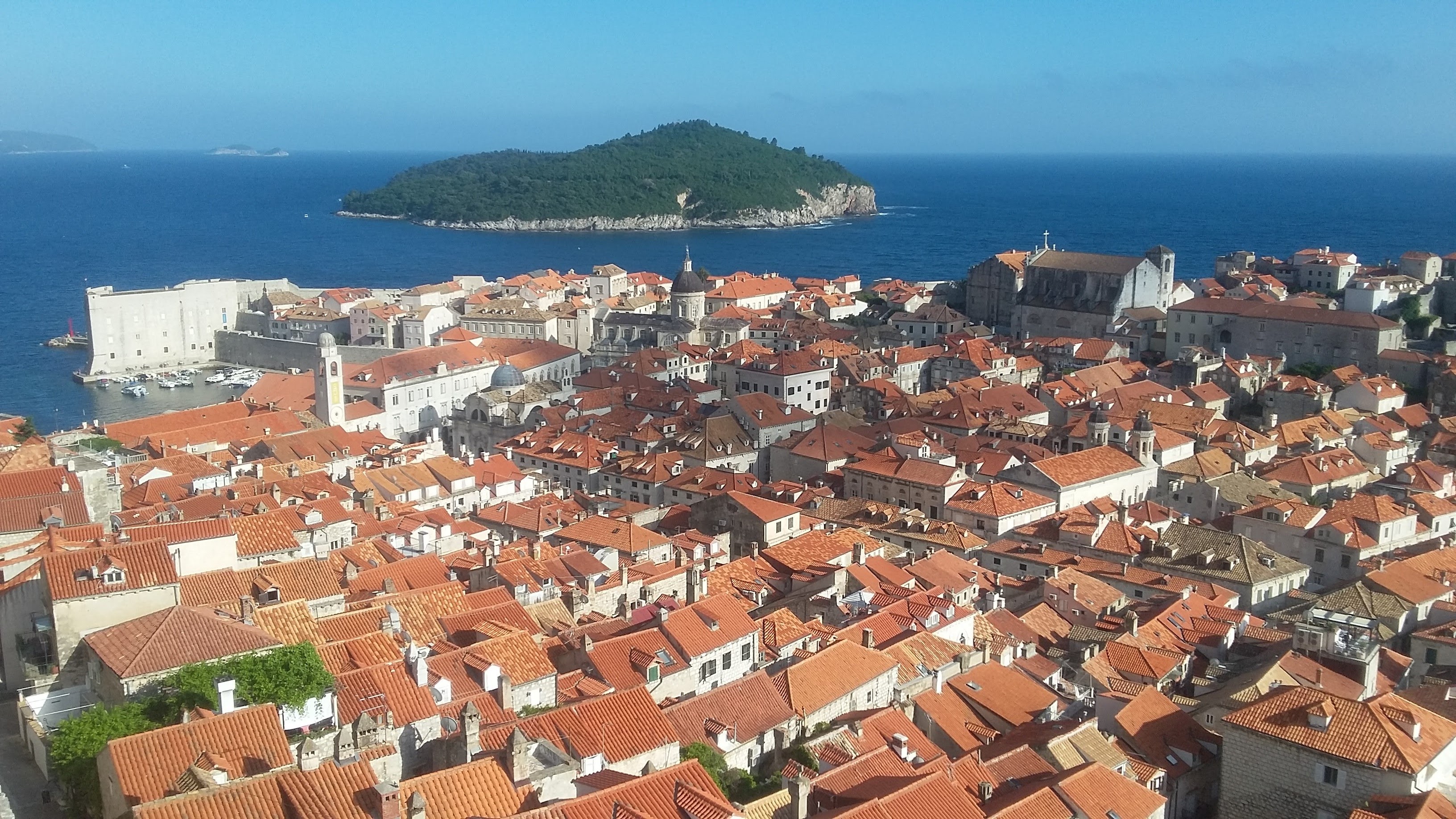
Dubrovnik, one of the Mediterranean’s most popular holiday destinations, is split into the old town and the new town. It’s easy to see why the Unesco Wold Heritage site is so popular with tourists and film directors alike, as the old town is extremely picturesque with its beautifully polished streets encircled by 1.2 miles of defensive walls. The walls aren’t just for show either, even as recently as 1991 the city was held under siege for 7 months.
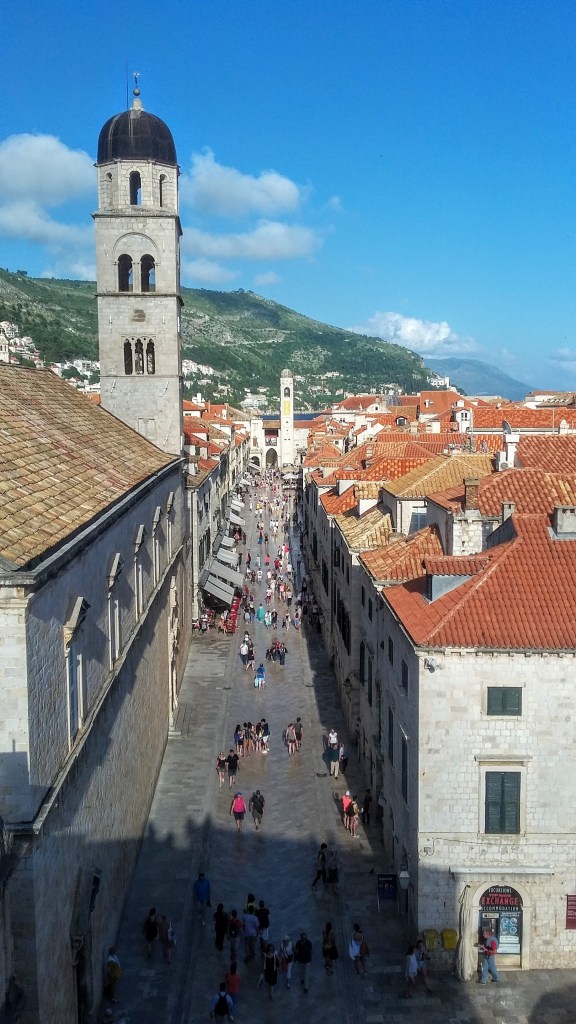

Take an afternoon stroll into Dubrovnik old town, entering through the Pile Gates, a well fortified complex of gates separated by a stone bridge and guarded by Fort Bokar. Cross the wooden drawbridge and explore the winding, stone paved alley ways inside, worn smooth by the millions of other feet who have twisted their way back and forth through the town.
Wander from parapet to parapet along the old town walls, looking across the terracotta roofs and down at the polished stone paved alleys. The walls run right the way round the old town to St John’s Fortress; a key point in the city’s defenses protecting the harbour entrance.

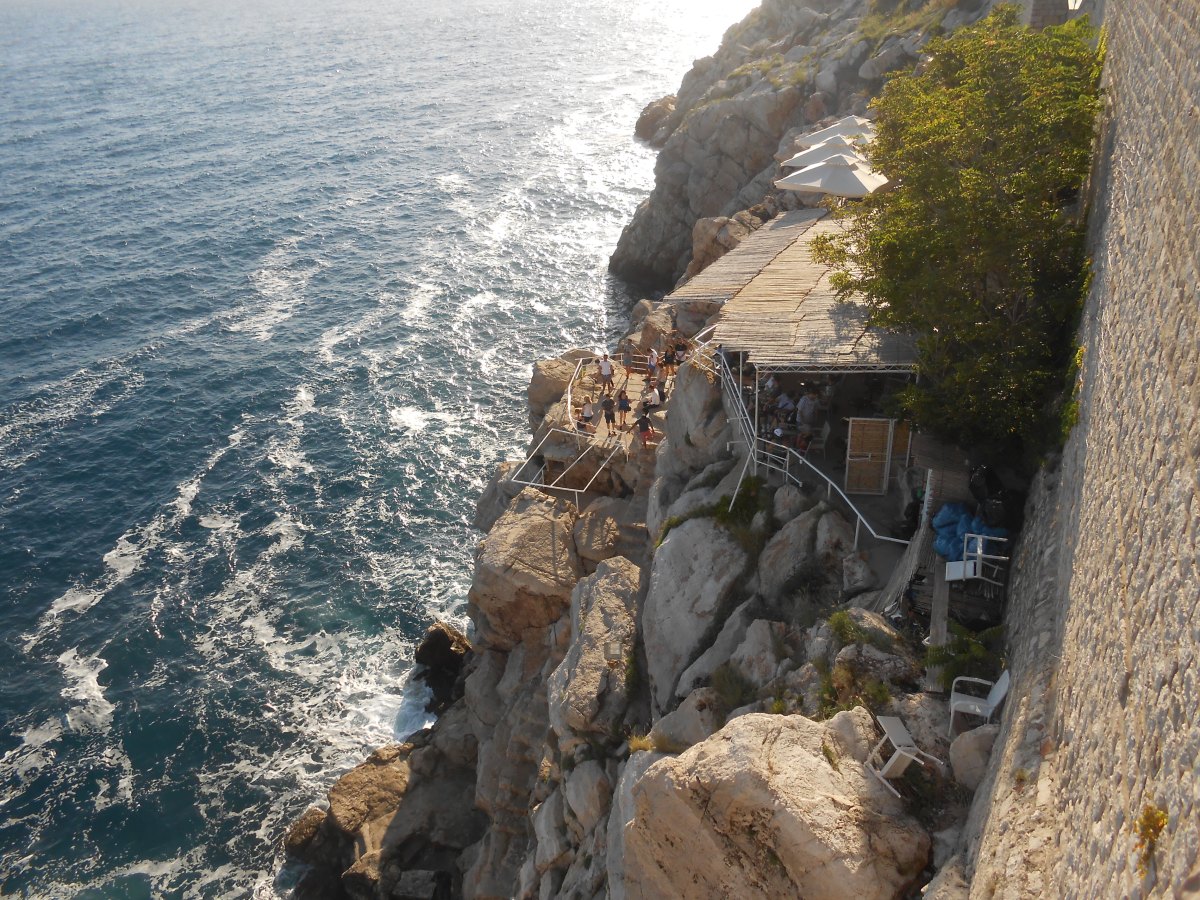
Set up for the sunset with a nice cold beer or cocktail at Buza cliff bar set on the rocks between the walls and the Adriatic Sea (see Where to Eat & Drink in Dubrovnik).

Day 2: Dubrovnik
Catch the half hourly (in summer) ferry to Lokrum island from the old town harbour. Make sure to check the times of the return ferries so you don’t get marooned on the island. Lokrum is the garden of Dubrovnik, with quiet, pine-needled paths criss-crossing through the hundreds of different types of trees on the island. The only real inhabitants are the peacocks. Start off at the large Benedictine monastery and meander through the gardens up to Fort Royal at the highest point of the island. Climb to the roof of the fort and drink in the views back across to Dubrovnik’s high stone fortifications.

Make sure you’ve packed your swimwear and take a dip in the “Dead Sea”, a small highly saline pool in the centre of Lokrum. If you’re feeling brave, take a jump off the rocks into the deeper parts of the pool.
Once back in Dubrovnik, catch the cable car up to the viewpoint on Srđ hill up above Dubrovnik for some breath taking views across the old town and out to sea.

Wind down in the evening with a tipple at the larger Buza II bar, another beautiful rustic bar built into the town walls looking out to sea.
Day 3: Hvar
Catch one of the two daily Catamaran ferries from Dubrovnik new town harbour to Hvar Island, a journey which will take about three and a half hours. Hvar is a popular summer resort island, perhaps due to the fact that it collects the most sun in Croatia. It is a favourite spot for the rich and famous to moor up their super yachts. Away from the bubble of Hvar town centre, the rest of the island is much calmer, coated in lavender and vineyards and home to the Unesco World Heritage site of Stari Grad.

Once you’ve dumped your bags at your accommodation, spend some time exploring the town – it’s so small you won’t need long. Stroll along the sea front and continue around the headland on a lovely paved walk which stays close to the sea. Have lunch at Falko and on the way back stop in at Hula Hula beach bar for a drink (see Where to Eat & Drink in Hvar).

If you’re in a lively mood, take the party boat to Carpe Diem in the evening, a classic island beach club.
Day 4: Hvar
If you’re not feeling too tender from the night before, pack a picnic and rent a little motorboat from the harbour and spend the day weaving around the Pakleni Islands off the south coast of Hvar. Depending on the wind it is safer to stay in the sheltered channel between Hvar and the Pakleni islands, as the open sea on the other side can be rather rough.
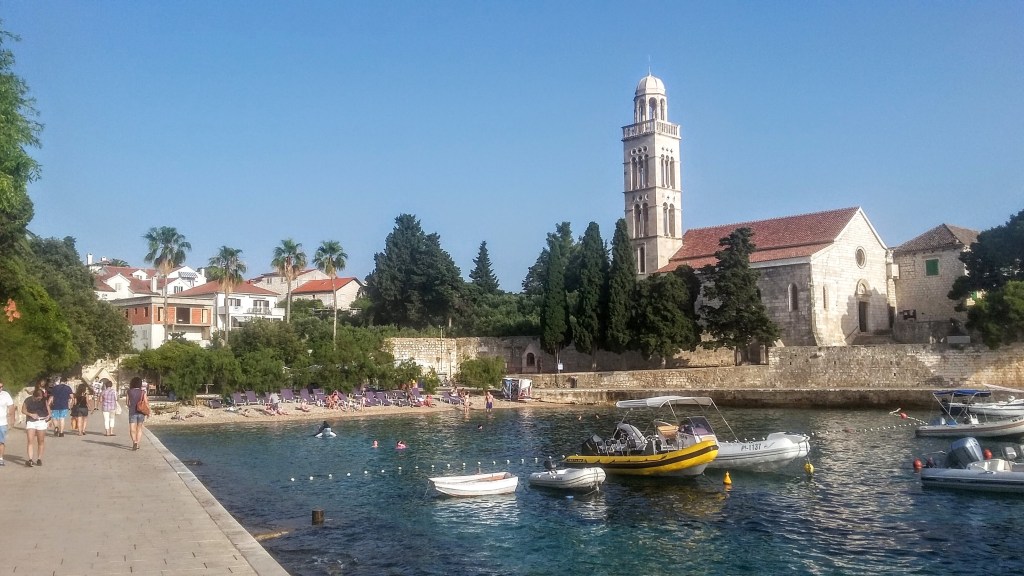
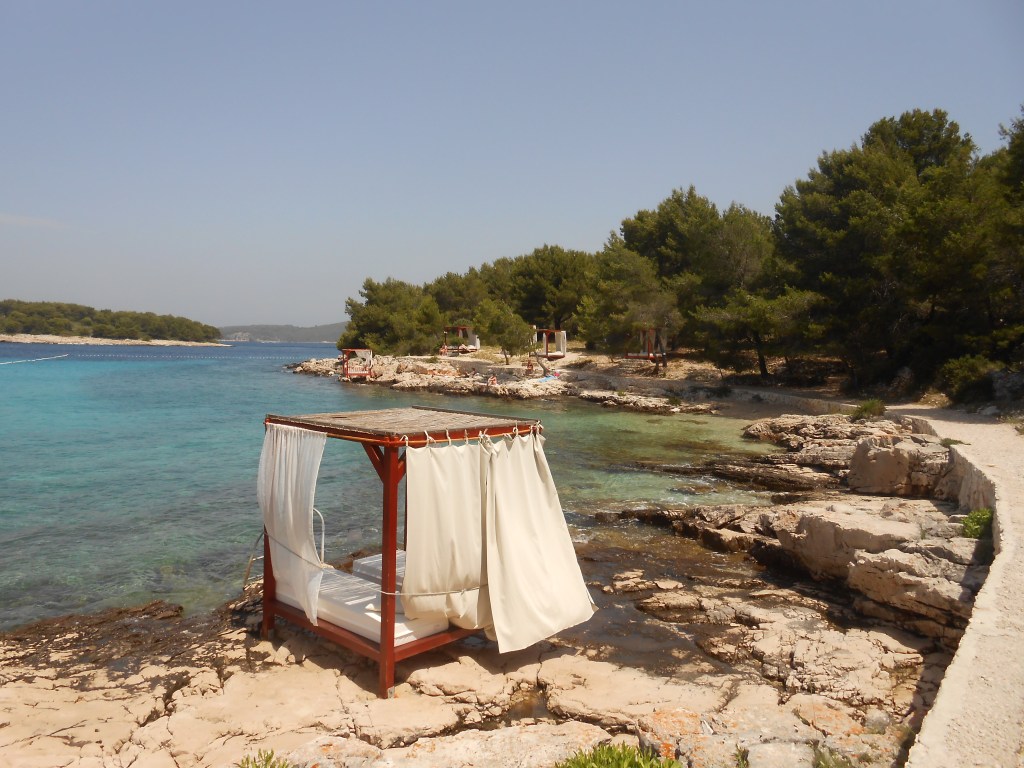
Most of the islands have jetties where you can moor up and leave the boat while you explore them, just make sure not to park in the ferry’s spot. Some islands have cafes and bars where you can get a nice cool drink and rent out a sun lounger for a few hours. The boat should have its own anchor that you can drop if you want to stop in a private cove and enjoy a relaxed swim and a picnic.
If you’re in search of sorting out those t-shirt tan lines and you’re feeling bold, why not strip off at one of the many nudist beaches on the islands.
In the evening, join the party and crawl along the sea front popping into the myriad of bars and enjoy the lively atmosphere of the island.
Day 5: Hvar & Split
On your last morning in Hvar, walk through the old town streets and up a fair few flights of stairs to Fort Fortica Španjola, a Venetian built fort situated on the hill behind the town of Hvar. The walk takes about half an hour at most from the town square and is well worth it for the panoramic views over the town, the harbour and the Pakleni islands.
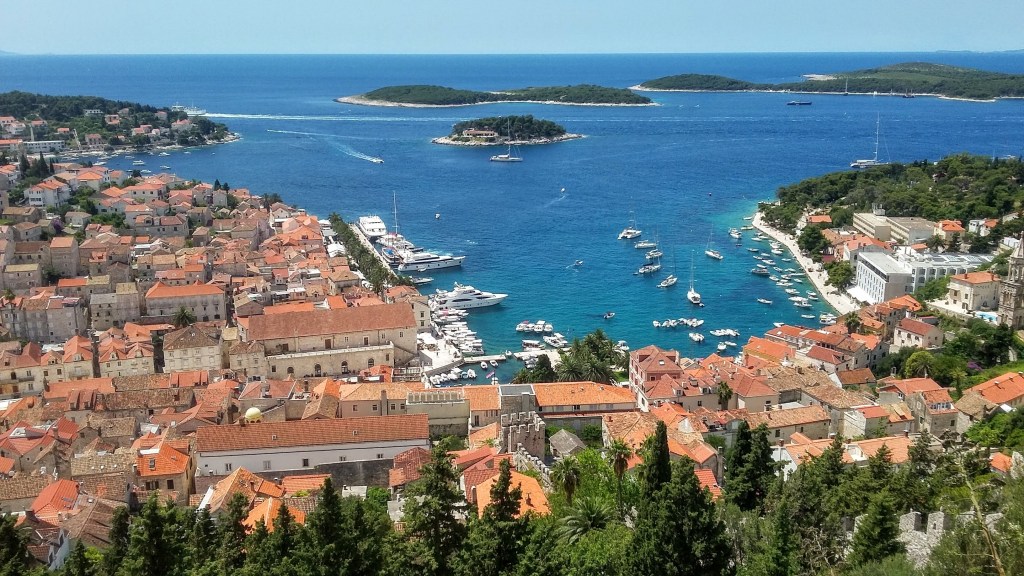
Catch another Catamaran ferry to Split, a journey which can be as short as an hour depending on the route the ferry company take. Split is the second largest city in Croatia and, like Dubrovnik, the old town in the centre is a Unesco World Heritage site.
Once you’ve dropped your bags, enter the old town and wander the maze of shiny stone streets. The main site to see in Split is the Diocletian’s palace, built in 305AD for the Roman Emperor Diocletian. Make sure to climb the bell tower of St. Dominus Cathedral, the oldest catholic cathedral in the world, for a great view over the city.

Have a drink at Lvxor, a lovely cafe where you can sit outside on the steps bordering the central square of the palace and be serenaded by a talented busker and waiter duo (see Where to Eat & Drink in Split).
Day 6: Split
There is plenty more which can be done in Split, but a trip to Krka National Park should be prioritised if you’re pressed for time. The park is home to a system of seven waterfalls which culminate in the beautiful Skradinski Buk. There are buses which take you to Skradin, a town on the edge of the park, from the main Split bus station. Make sure to buy your bus ticket a day or so before your trip to avoid disappointment.

From Skradin there is a boat (included in the park entrance fee) which will take you down the river and into the National Park. (Be sure to plan which boat you will return on so you don’t miss the bus back to Split.) Once in the park, follow the planked board walk on a circular route exploring the many waterfalls and turquoise pools, including the largest waterfall named Roski Slap.
Once you’ve worked up a sweat, take a dip in the pool under the Skradinski Buk waterfalls.

Day 7: Split
Spend the morning in Split and have lunch at the Riva waterfront before catching your homeward bound flight.
Blog posts on croatia
Where to Eat & Drink in Dubrovnik
We only spent a couple of nights in Dubrovnik as part of a week long trip to the Dalmatian coast of Croatia (see our Croatia itinerary for more info), but…

Where to Eat & Drink in Hvar
There are a lot of great places to eat and drink in Hvar – the island is a well known as an upmarket party destination, with plenty of venues for…

Where to Eat & Drink in Split
Split is Croatia’s second largest city and one of its popular tourist destinations so it makes sense that it has plenty of places to eat and drink. In the old…
 Sunburnt Zebra Travel