

Panama
Why We Loved Panama…
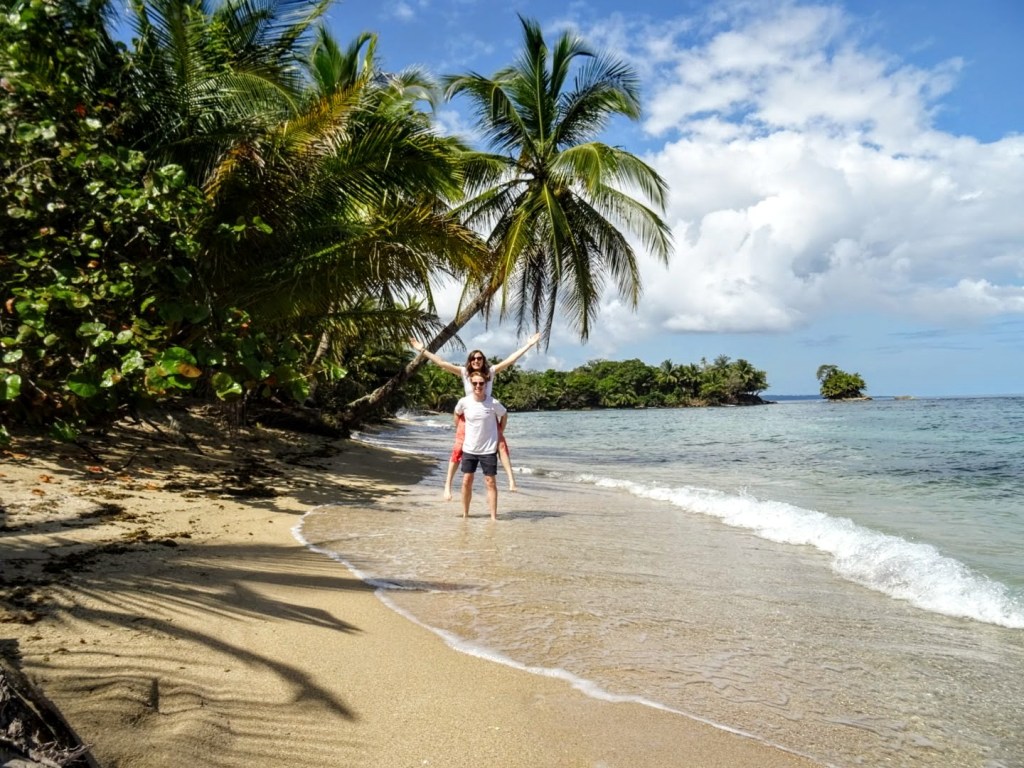
The islands off the coast of Panama are paradisaical. White sand, clear, blue water, palm trees; exactly how you would imagine a desert island. Inland on the slopes of Volcan Baru the country becomes green with coffee plants and tropical jungles and its well set up for adventure activities. We also got engaged here, so that tells you something about how beautiful we think this country is.
Adventure
Chill
Culture
Nature
Our 10 Day itinerary
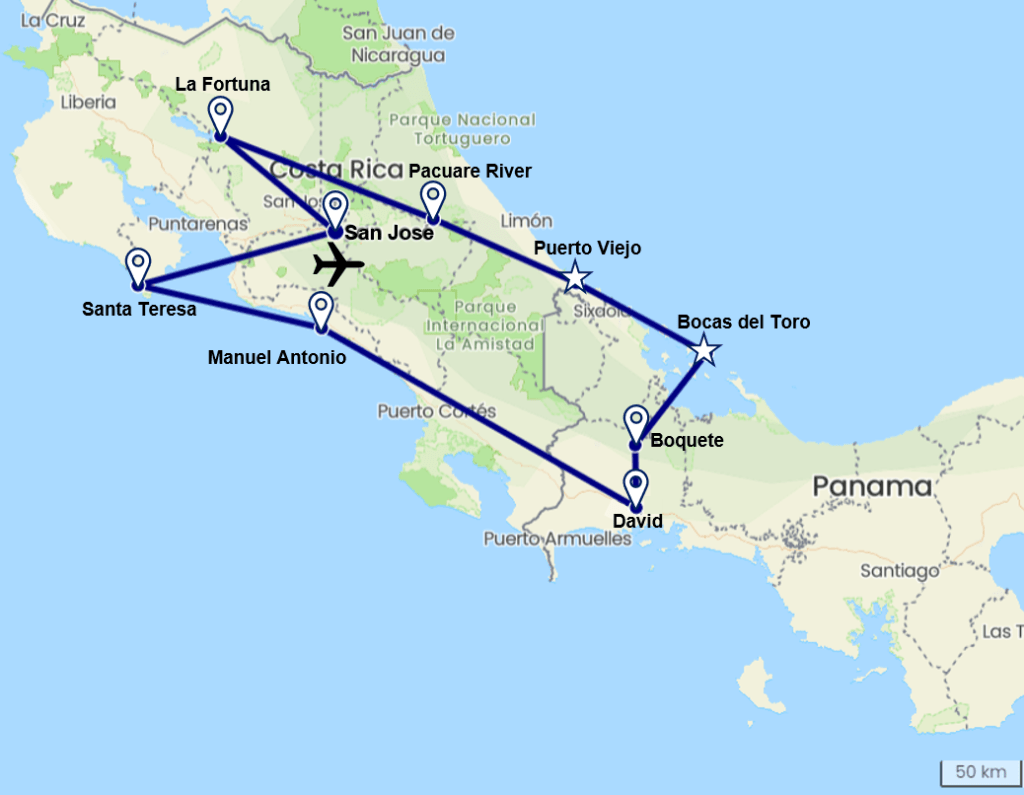
We paired this trip with our two weeks in Costa Rica. It made a great loop from the Caribbean Coast through the highlights of Boquete and back up the Pacific Coast. It could also be made a two week trip by itself if you head east to panama City and the San Blas Islands.
☆Don’t miss: Bocas del Toro, a beautiful archipelago of characterful islands.
Day 1: Bocas del Toro
If you’re in Puerto Viejo in Costa Rica, dipping into Panama to visit Bocas del Toro is a no-brainer. The island archipelago on the Caribbean coast oozes vibrant, Caribbean character but also offers a remote desert island getaway if you prefer. And it’s only just across the border, making the border crossing and the transfer relatively straight forward.
Bocas is made up of 5 key islands which you can base yourselves on; Colon, Bastimentos, Carenero, Solarte and San Cristobal; and then many other smaller islands.
Each island comes with its own character and may appeal to you differently. Colon has the main hub of Bocas town on it which has a good number of hostels, restaurants and bars, giving it a young and exuberant atmosphere and making it popular with backpackers. Carenero, only a short water taxi from Bocas town, is a colourful little island preferred by surfers who can make good use of the waves, but not be too far from the party. Bastimentos is a quieter and more remote island, less populated apart from Old Bank town, and is home to some of the best beaches in the country. Solarte even more remote than Bastimentos, is another good spot for surfers and has arguably the best sunsets in the region. And San Cristobal which is often overlooked but has some great marine life, reefs and Dolphin Bay.
We agonised over which island to stay on and eventually plumped for Bastimentos because we had heard it was the most beautiful and serene. It was definitely the right choice for us.
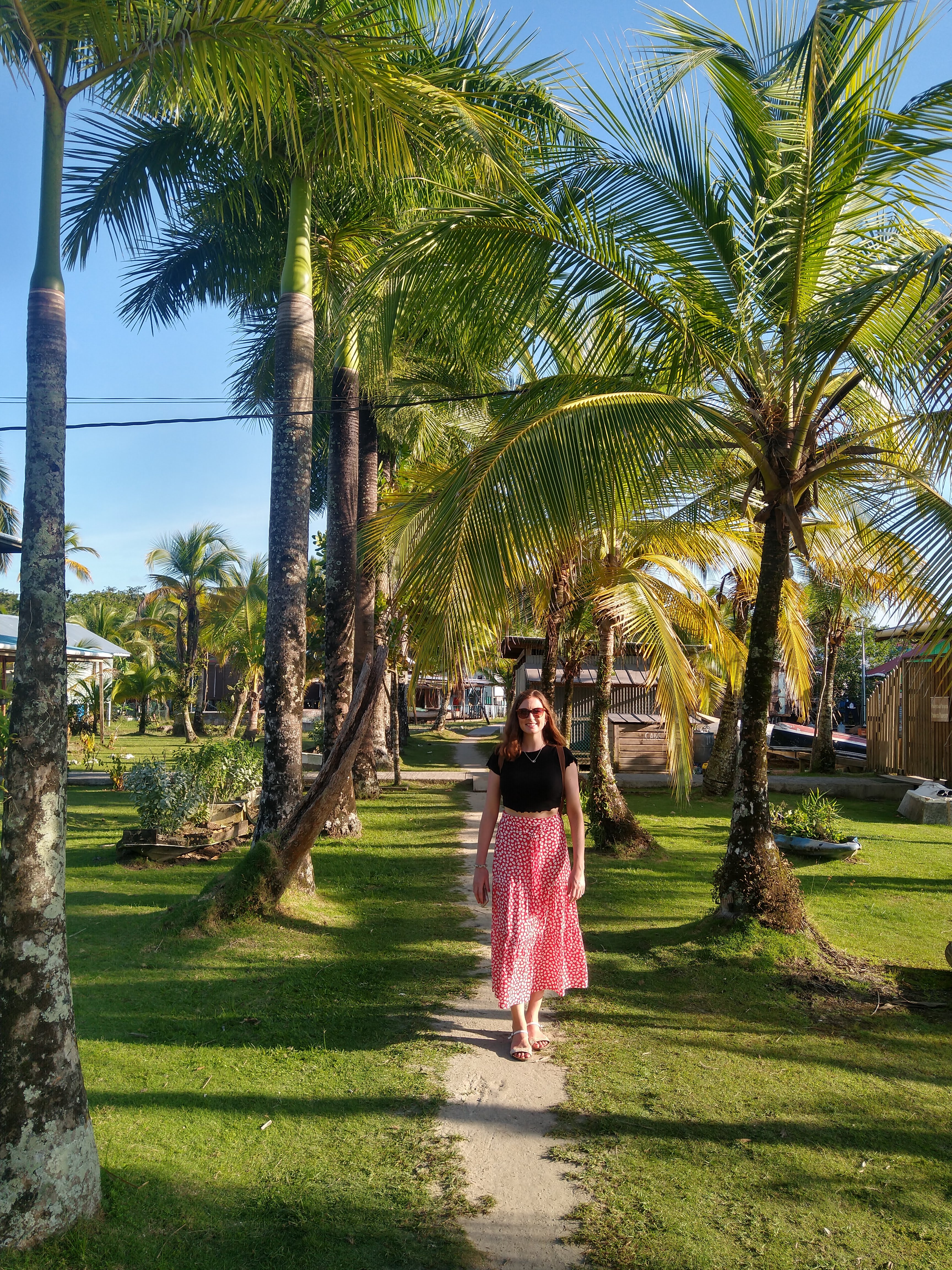
The first day was mostly spent getting across the border from Costa Rica and then getting to our accommodation on Bastimentos island. We stayed in a wooden cabin at Palmar Beach Lodge on the far side of Bastimentos. It’s right in front of Red Frog beach, so called because of the Red Frogs which live here, and its a really amazing place to stay.

We spent what was left of the day chilling on Red Frog Beach and had some food at Nachyo Momma’s Beach Bar, which despite the tacky sounding name, served some really good tacos and cocktails.
Day 2: Bocas del Toro
Explore more of Bastimentos island and get more off the beaten track. We walked to Polo beach, a beach named after its only resident, Mr Polo, who has lived there for 65 years in his wooden shack. The walk is gorgeous, you can do most of it in bare feet along the beach. Apparently if you come at the right time of day, Mr. Polo will cook you up some fresh lobster and cut you a coconut, but he wasn’t about when we visited his neck of the woods.

I would be very surprised if you can find better looking beach than Polo beach. It was perfect. We snorkeled the corals right off the beach, lazed under the palm trees and kept pinching ourselves to make sure we weren’t dreaming.

Day 3: Bocas del Toro
We then moved to Eclypse de Mar, a stunning set of seven over water bungalows with thatched roofs on the south side of Bastimentos. Although these cute coral coloured bungalows were maybe slightly more expensive that our normal going rate for accommodation, they were incredibly good value for over water accommodation. This side of the island is closer to Colon and Carenero, enabling us to visit them more easily and see a different side of Bastimentos as well.
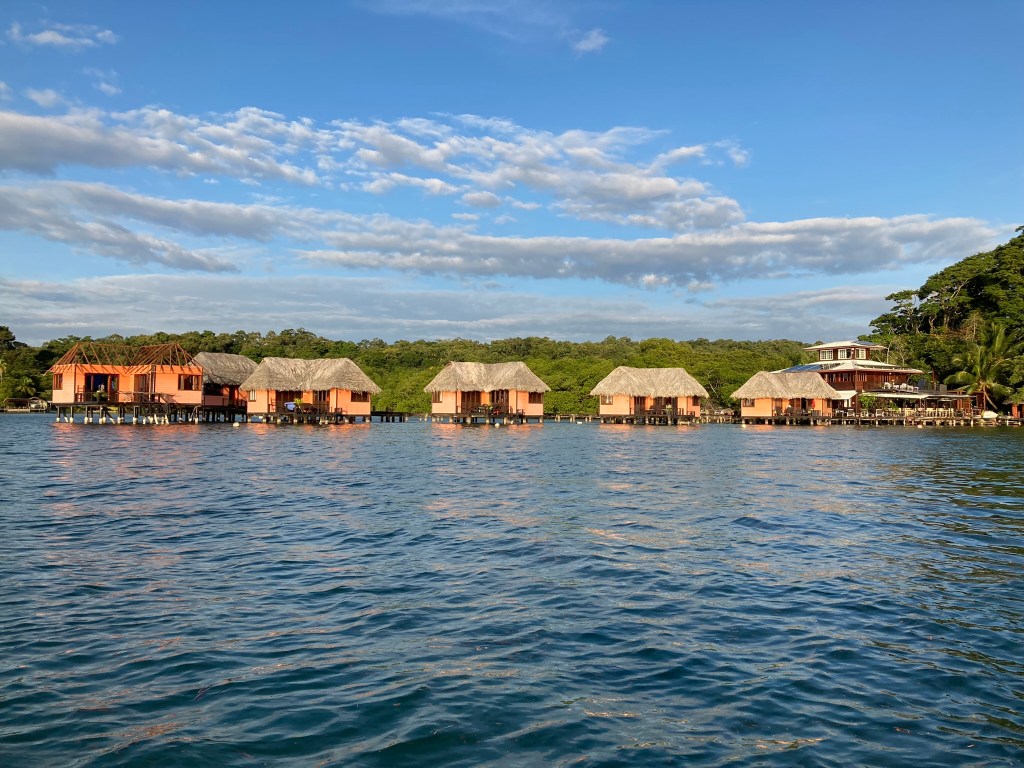
The lodge has a set of kayaks and paddle boards which are free for the guests to use which is great if you’re into your water sports. We made good use of both to paddle round and explore the surrounding waters and coastline. We took the Kayak across the channel to Solarte where the coral reefs are particularly good for marine life.


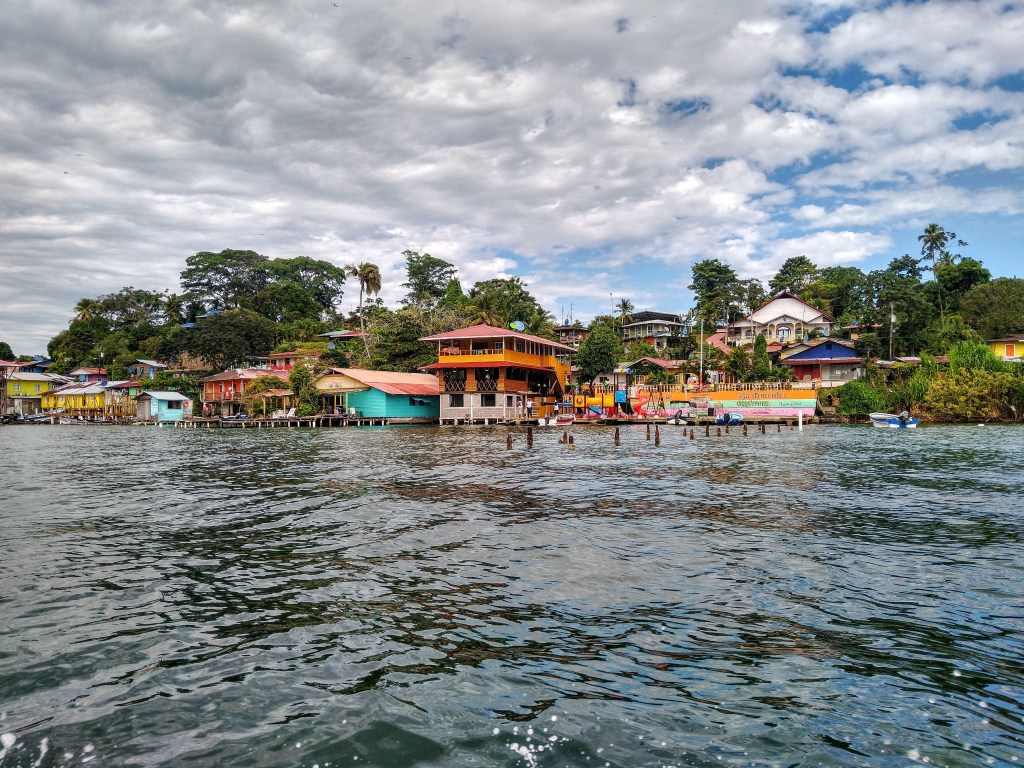
In the afternoon we visited Carenero, taking a water taxi directly from our wooden boardwalk. We wandered around the island exploring the colourful streets. Carenero has some of the prettiest, most vibrant buildings jauntily balanced on stilts above the water. Unfortunately it is also evident that the locals here are living below the poverty line as their homes are very basic and there was open sewage and build up of litter in places.
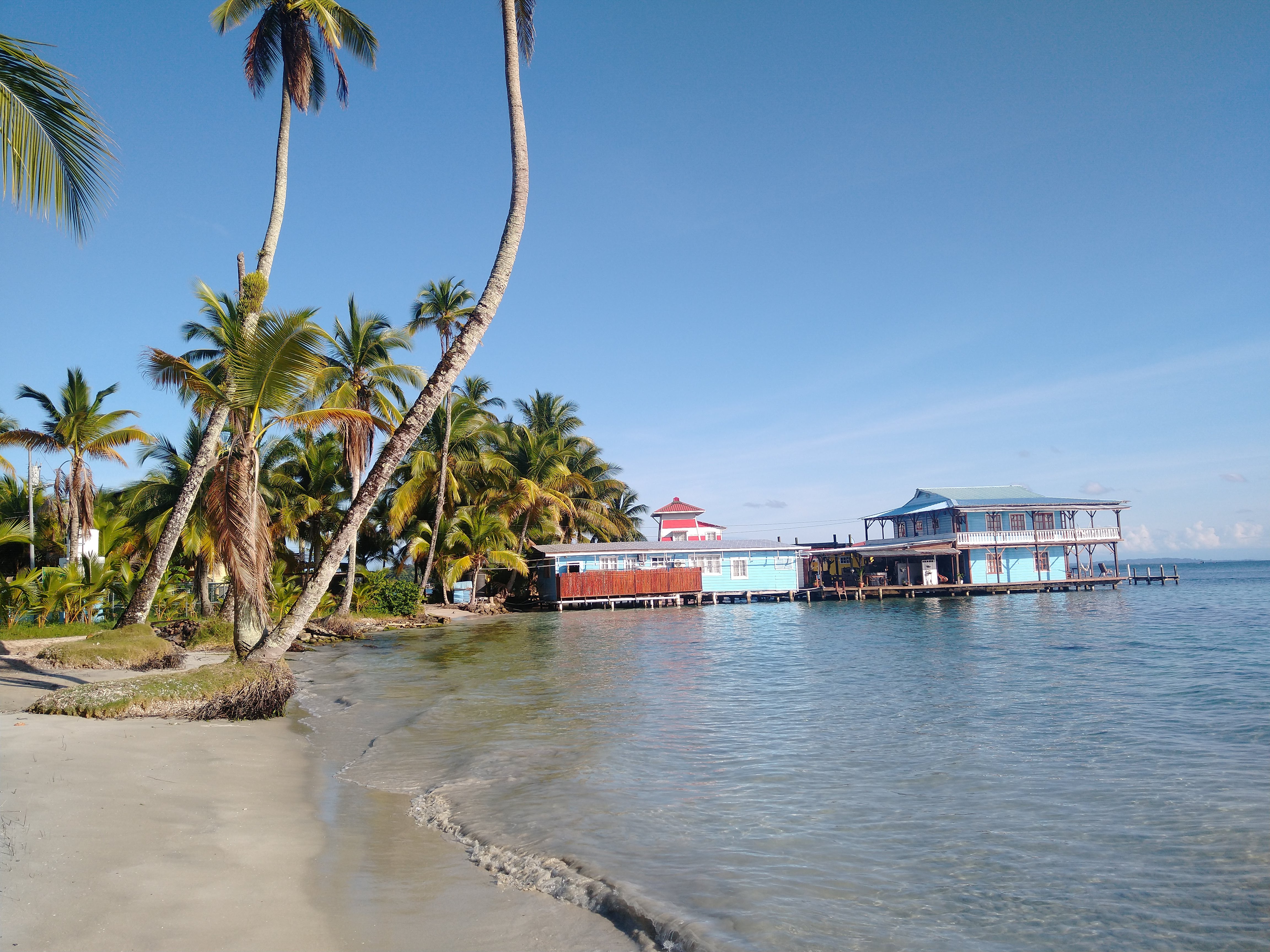
Carenero island
We stopped for a drink at Bibi’s, a live music bar over the water, to watch the sun go down with a bit of atmosphere.

Day 4: Bocas del Toro
The next day we got unlucky with the weather and it rained, but Bocas still came up trumps with some wet weather activities. We headed to Old Bank, the only town on Bastimentos island, which is rich is Caribbean culture, and had a wander round.
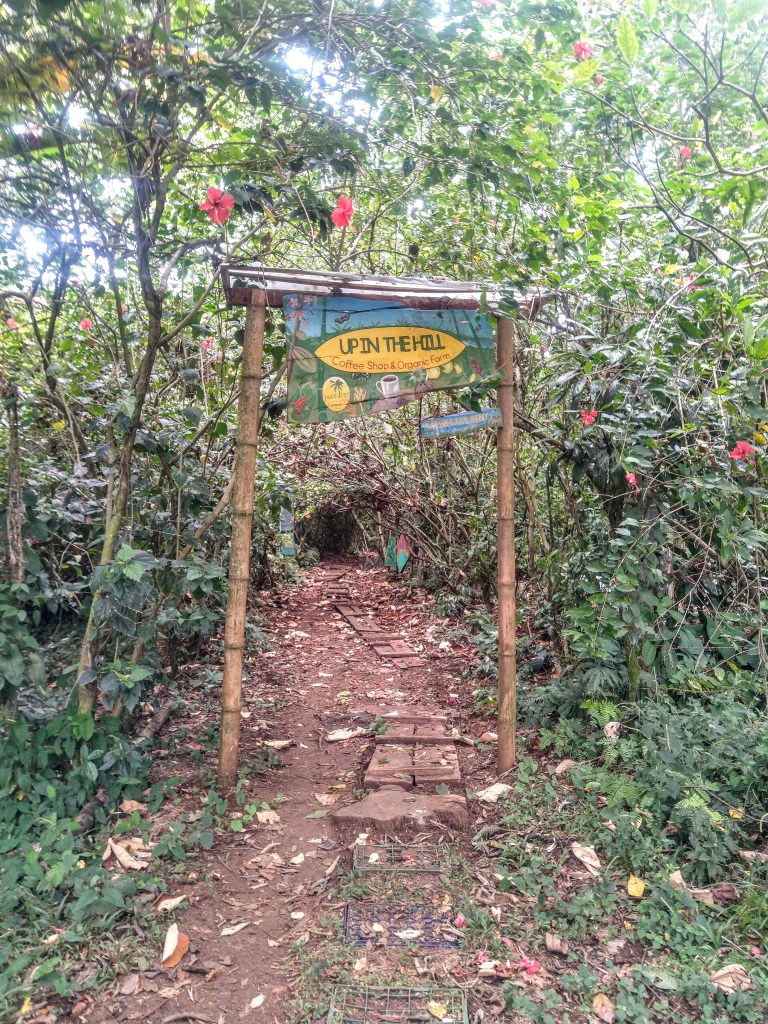
We then headed up the hill to Up in the Hill, an Ecolodge and Chocolate Farm which teaches visitors about permaculture. We were shown around the farm by an enthusiastic guide who explained and demonstrated how they use all the plants on their farm such as cacau, coffee, coconut trees, bamboo to produce food, organic body products, building material and much more. At the end we sat down together and ate a full lunch made from plants on their farm, and most importantly a delicious cup of hot chocolate.

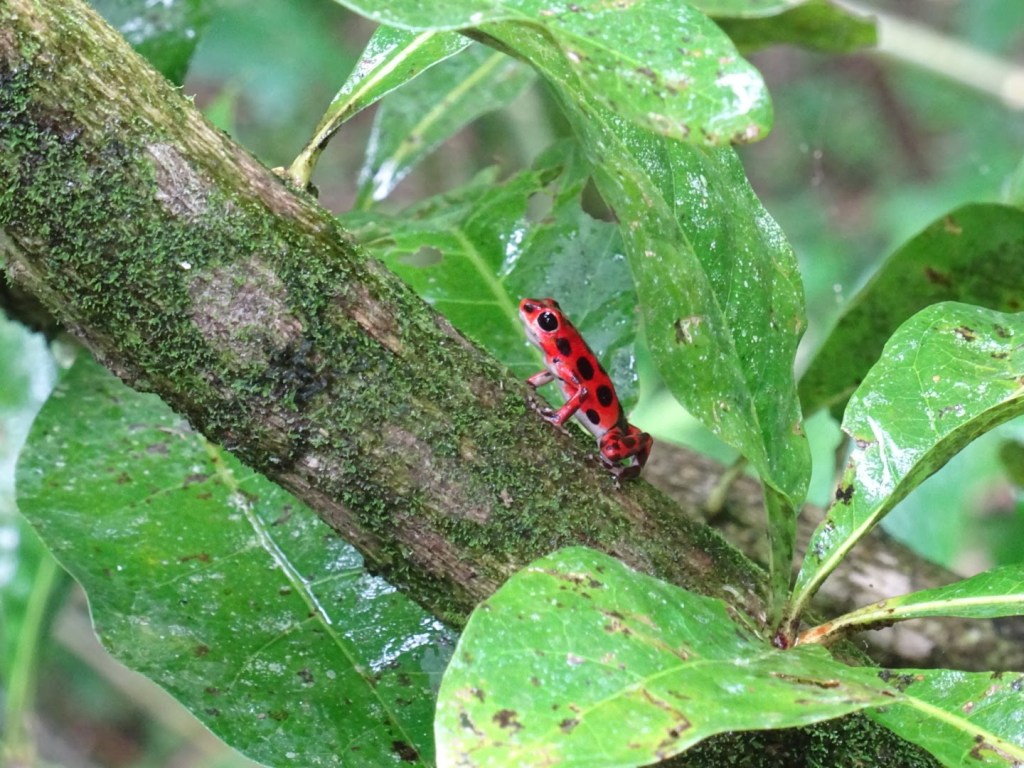
The tour round the farm also gave us the opportunity to see some of the wildlife around the islands, including humming birds, a sloth and Red Frogs! These little fellas, only about a centimetre in size, are also know as strawberry poison dart frogs and there are mixed opinions as to whether they are actually poisonous enough to harm a human. In any case you won’t get anywhere near one, so there’s nothing to worry about here.

The sun also came back out in the evening for a wonderful sun set which we enjoyed from our over-water bungalow.


Day 5: Bocas del Toro
Spend a day exploring Isla Colon. We took a water taxi across to Bocas Town and picked up some (okish) bikes from a bike rental. We set our sights on pedaling to Playa Bluff, a long stretch of bright orange sand in the north east of the island.
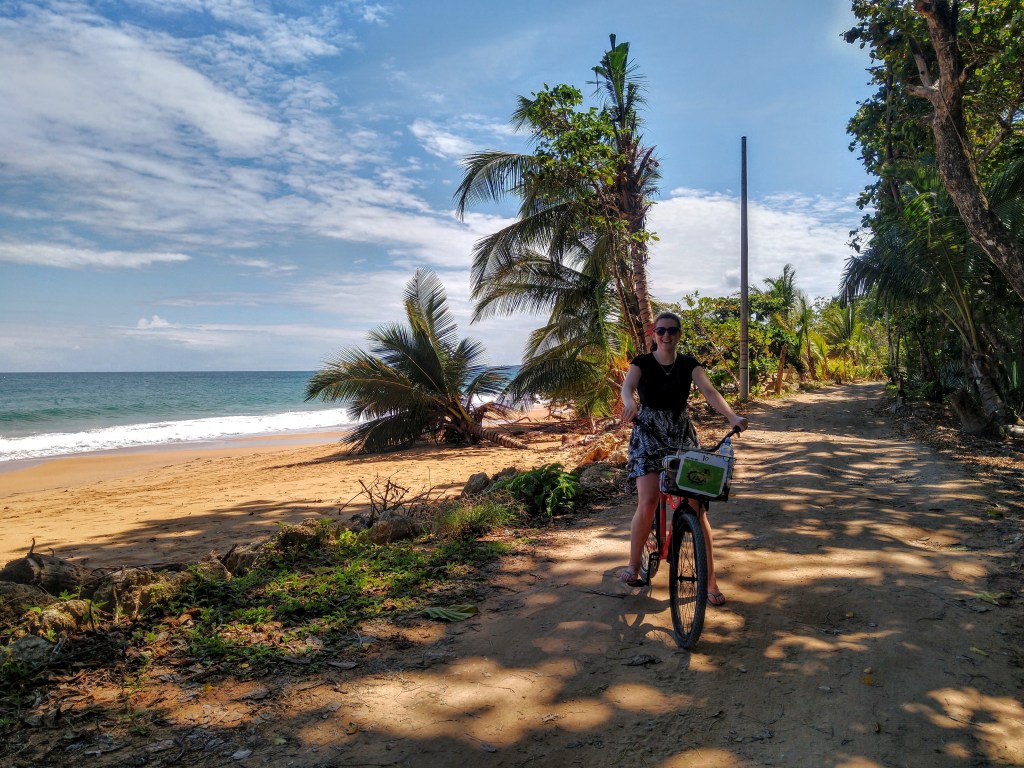

Despite the party atmosphere of Bocas town, you quickly get away from it all on a bike. There are the occasional big pickup trucks that slowly trundle past, ferrying people between Bocas town and the main sites on the island such as starfish beach (which we ran out of time to get to). The route takes you along a tarmac road to start with, which soon turns to a gravel surface and then finally to a sandy track which runs parallel to the beach most of the way.
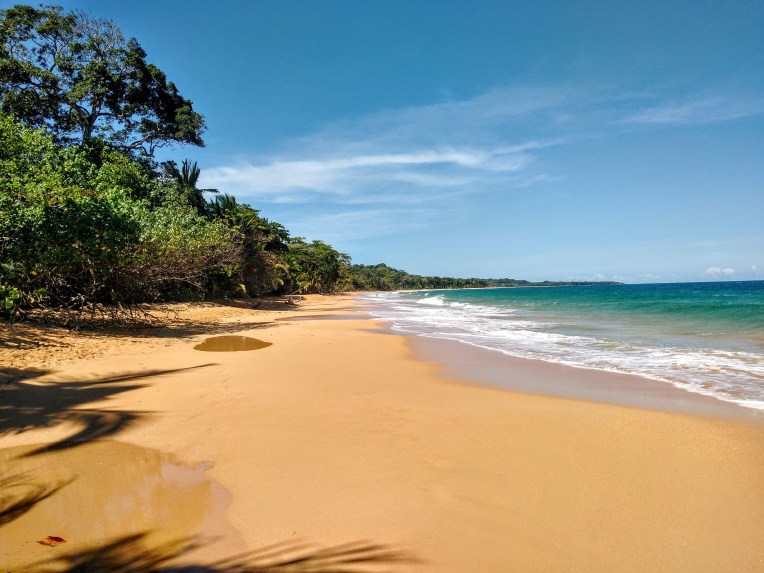
The beach itself is about 4km long and we decided to ditch our bikes and walk along the sand. About halfway along the beach there is a great beach bar called Bom Bom where we had lunch and made use of the pretty powerful waves to do some body surfing.


Bom Bom Beach Bar on Playa Bluff
We decided to head back to Bocas Town from here, but stopped in at Skully’s for a cooling drink on the way. Skully’s has a relaxed vibe to it and is a really great place to have some food and cool off with a fruit juice or something a litter stronger.

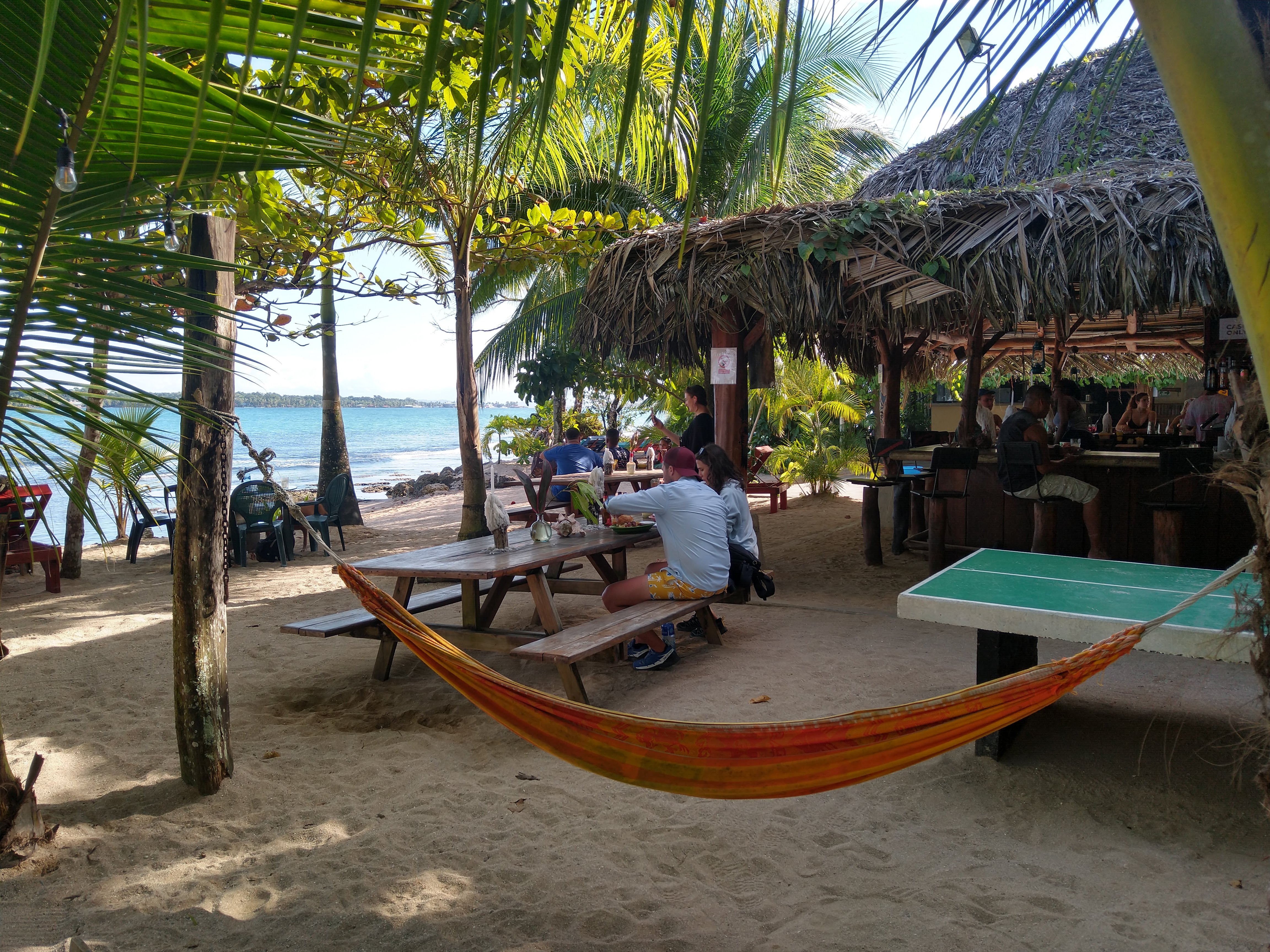
Skully’s Beach bar
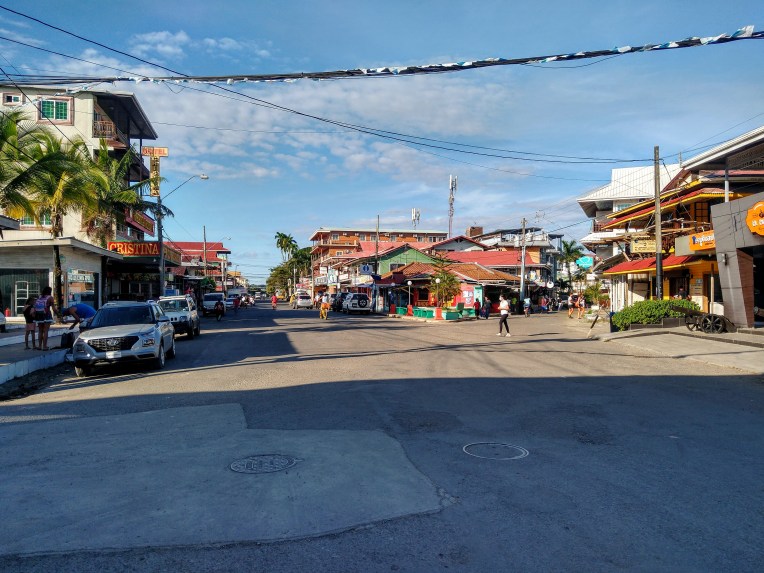
We returned the bikes and had a wander around Bocas Town, and then finally had dinner at OM Cafe on the waterfront. They service up delicious Indian food.
Day 6: Boquete
There are plenty more things to do in Bocas del Toro such as visiting the Zapatilla islands and taking a trip to Dolphin Bay, but we unfortunately ran out of time on our trip.
Head inland into the hills surrounding Volcan Baru. Here you feel like you are up in the clouds, the weather is cooler, often with a light mist in the mornings and the air is noticeably thinner. The hillsides are carpeted in lush green coffee plantations and mystical cloud forests bisected by rocky streams and rivers. It feels like a completely different country to the one we experienced in Bocas del Toro.
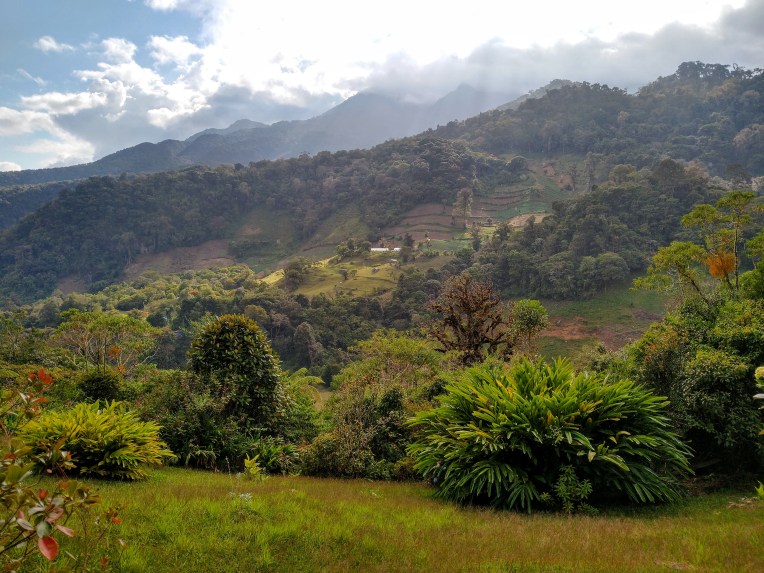
The trip to Boquete takes most of the day as its a water taxi to the main land followed by a long twisty drive along mountain roads to the town. We spent the evening exploring Boquete town which has an American influence to it, due to the large number of Americans who have moved here to retire.

Day 7: Boquete
The hanging bridges in Boquete are a great way to see the local area. Book with Boquete Tree Trek, who offer several tours around the area such as a coffee plantation visit, ziplining and trekking. They pick you up at their office in the centre of town and take you to their base high in the hills in a lorry converted into a bus.
A guide take you on a 4km hike through the cloud forest and along 6 hanging bridges, some as long as 135m and 75m above the tree tops and burbling streams below. There are lovely views out to Boquete town and Volcan Baru and if you keep your eyes peeled you might be able to catch a sight of the Quetzal, Panama’s National bird. The trek ends with a short zipline back to the Tree Trek main building where you started.

We happened to be there during the Boquete Flower & Coffee Festival or Feria de Boquete, which was purely by chance. We spent the afternoon wandering around the flower show next to the river. The festival adds a lovely, if not slightly garish at times, splash of colour to the predominantly green backdrop around Boquete.
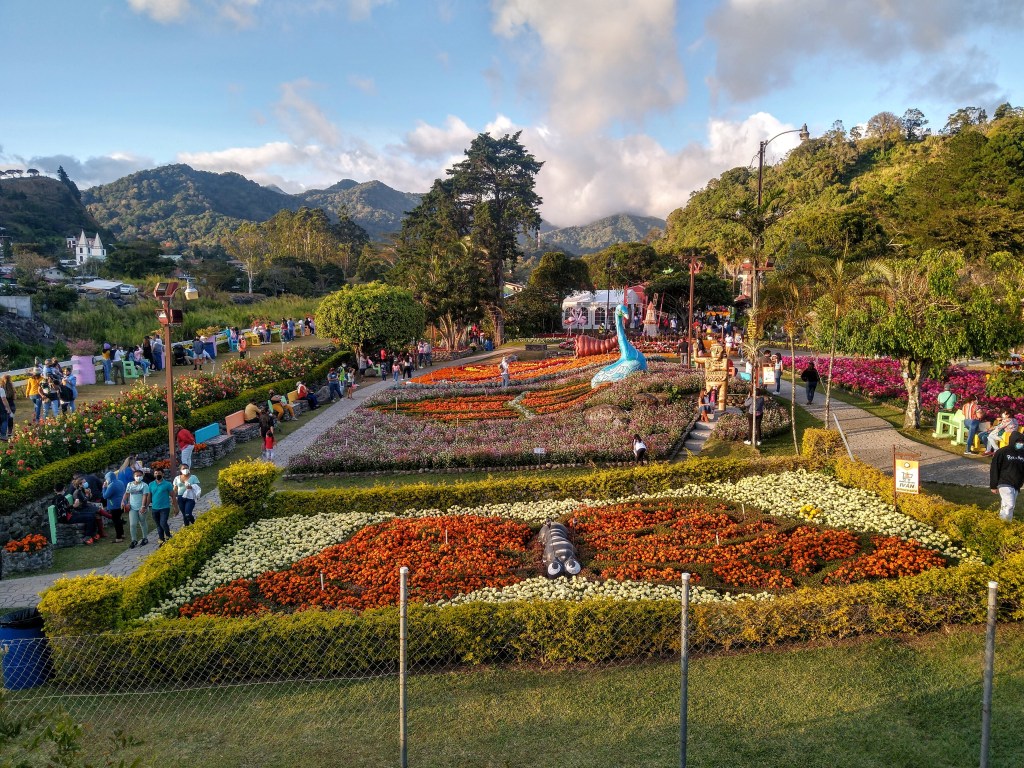
Day 8: Boquete
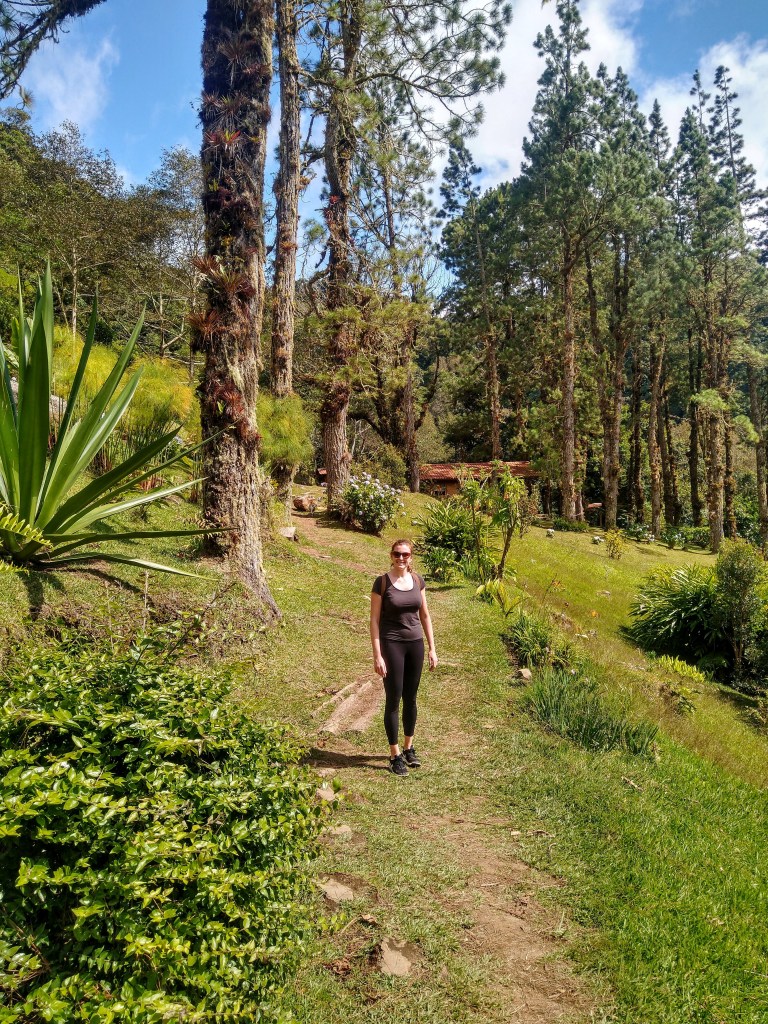
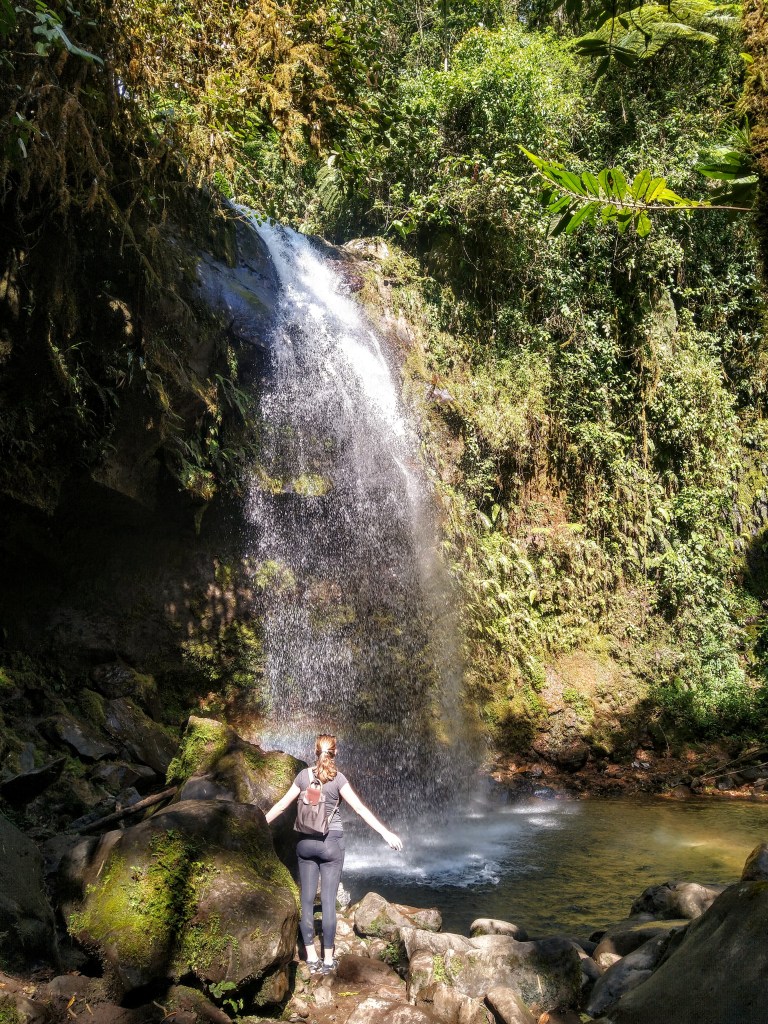
Boquete is known for its hiking and it has several great hiking trails which are reasonably accessible in comparison to the big one up Volcan Baru. A few worth doing are the Lost Waterfalls, the Pipeline trail and El Pianista. We chose to do the Lost Waterfalls trail. A bus is required to take you to the trail start point and then you cross a small hanging bridge over the river before climbing steeply upwards to the hike entrance. From here the trail becomes narrow and takes you to number of waterfalls hidden away in the hillside. If you take your swimming stuff you can take a dip in the plunge pool below a couple of them. It’s freezing but very refreshing.
Day 9: Boquete
Panama is quite famous for its arabica coffee which despite not being exported in great quantity, is well known for being very high quality. In particular Panama produces award winning Geisha coffee, some of the most expensive coffee in the world going at up to $2500 for a pound (lb).


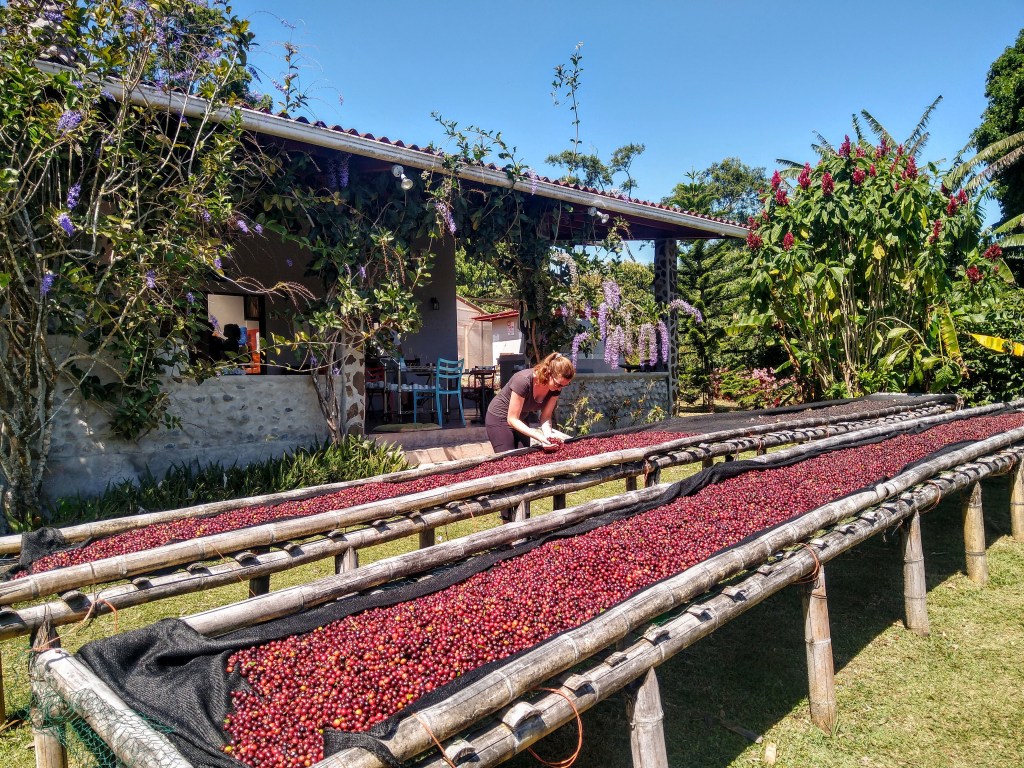
Boquete and the surrounding province of Chiriqui is the hub of Panamas’s coffee industry and has been nicknamed the Napa Valley of coffee. It makes use of that label for tourism as well, with several really good Coffee Tours available to help tourists understand and experience the industry. Even if you aren’t a coffee-lover, it’s a great half day out in the countryside learning about Panama’s culture and history. We went to one called Finca Dos Jefes where we were shown the coffee making process and we had plenty of coffee to taste at the end as well.
In the evening we headed to David as our bus to Manuel Antonio (Costa Rica) departed David bus station very early in the morning. David isn’t really a place to hang around, so we chose to get there late. It might be possible to get a taxi very early in the morning from Boquete to the David bus station, but it was really not clear on any of the blogs we read on how to make the journey to Manuel Antonio, so we thought it better not to risk it.
Day 10: David
It’s an early start to catch the bus from David to Quepos, from where you can catch a short taxi to Manuel Antonio.
 Sunburnt Zebra Travel