
Sri Lanka
WHY WE LOVED SRI LANKA…
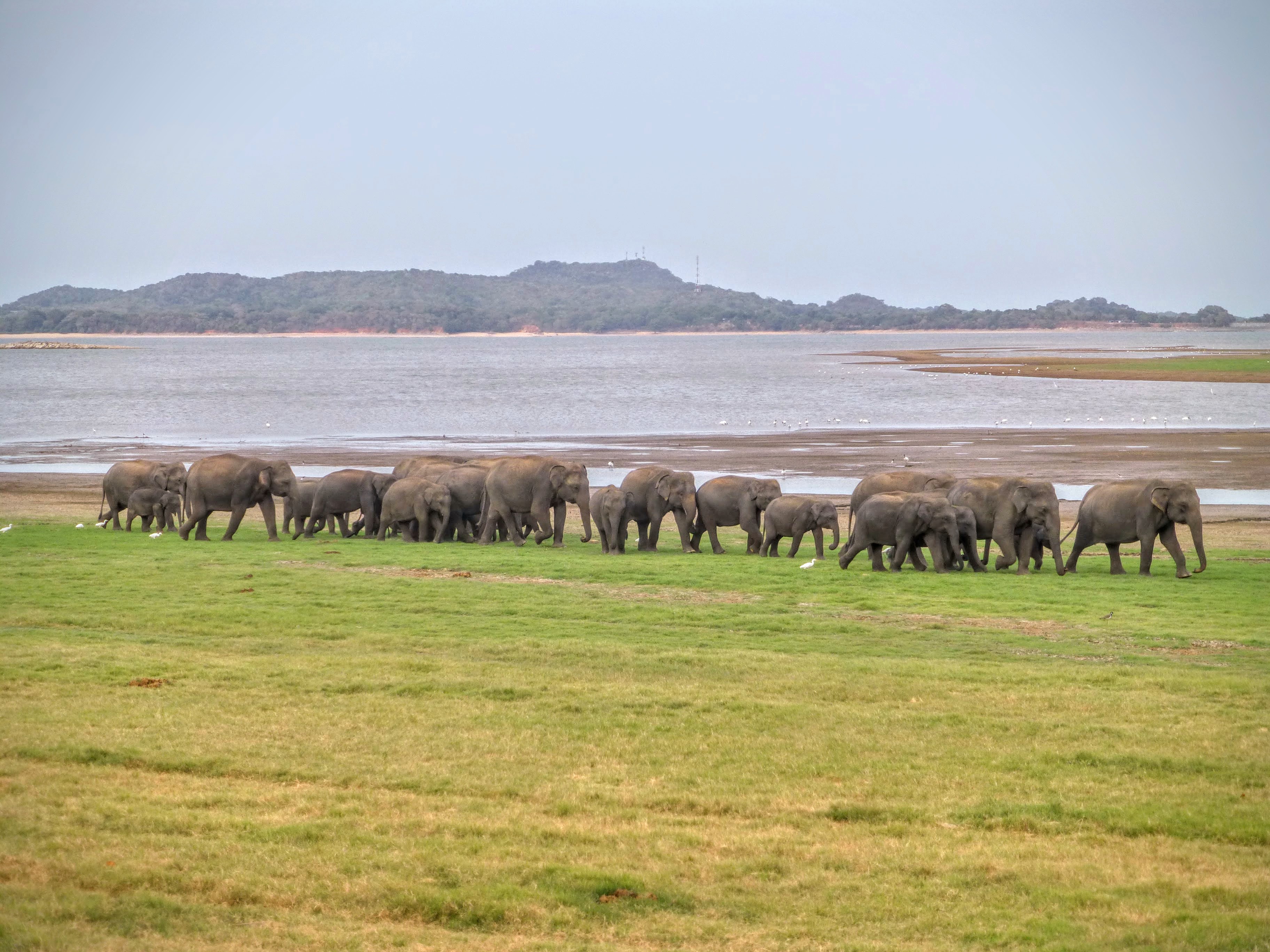
Sri Lanka simply has everything: from the Dutch fort of Galle to the emerald tea plantations of Ella, from Sigiriya, the city on the rock, to the huge herds of migrating elephants at Minneriya. It’s also a brilliantly compact size, giving you the rare opportunity to see most of its main sites within one trip.
Adventure
Chill
Culture
Nature
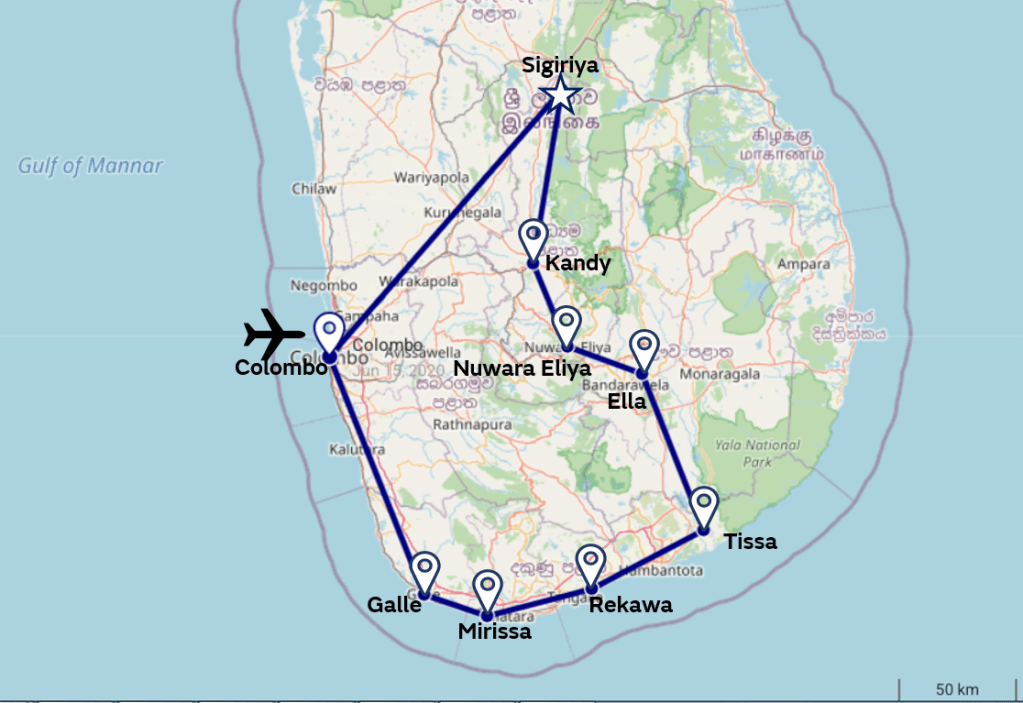
Our two week itinerary
As with most of our itineraries, this is a fairly full on trip with plenty of stops – largely enabled by the fact that we hired a driver for most of the way. This itinerary can easily be extended by spending more time relaxing at the beach areas on the south coast.
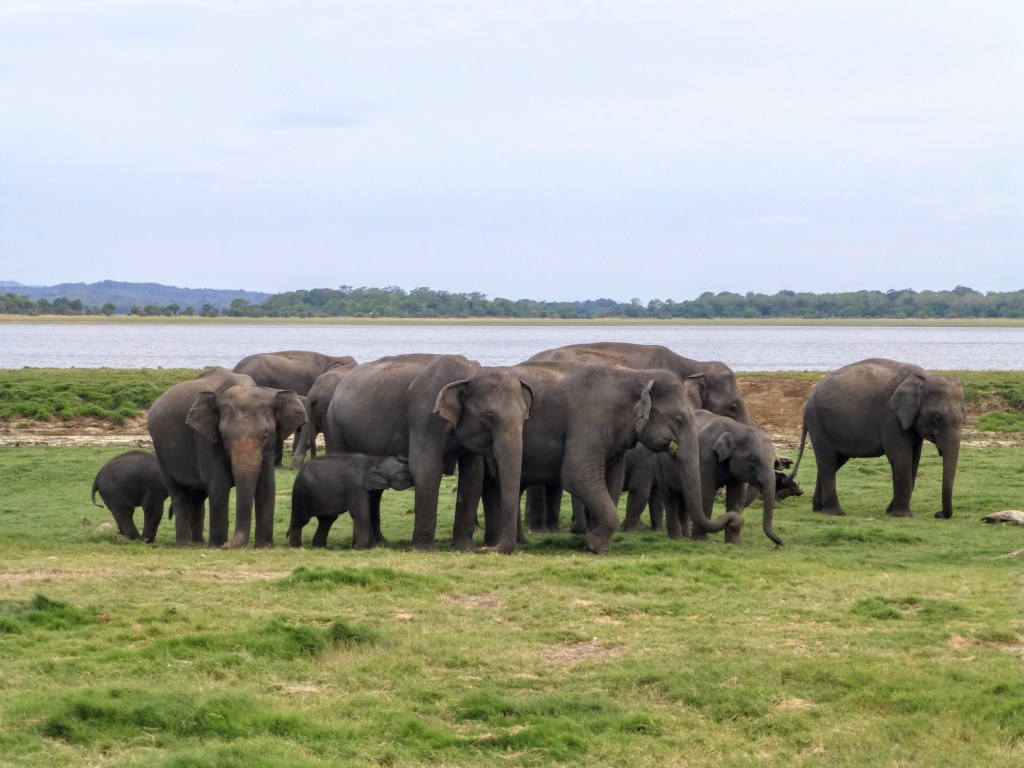
☆Don’t miss: Minneriya National Park for the opportunity to see more elephants than you can count.
Day 1: Colombo
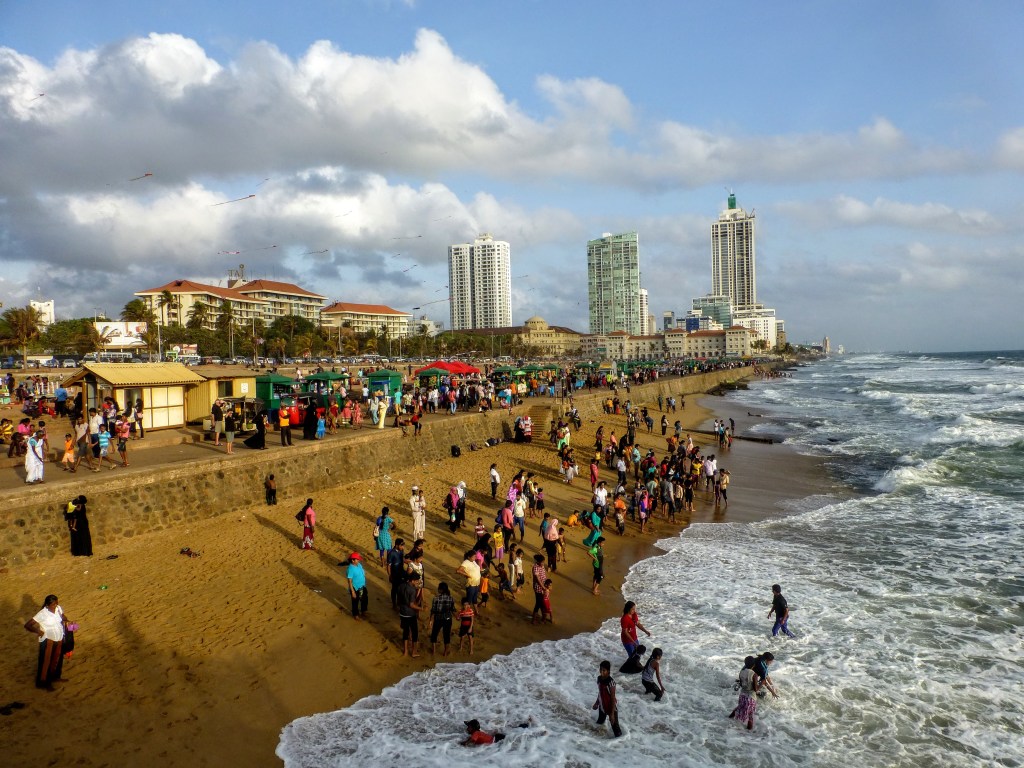
Fly into Colombo, Sri Lanka’s capital city, see our blog Where to Stay in Sri Lanka for accommodation tips. The gateway to the rest of this enticing country, Colombo itself isn’t blessed with too many sites or activities. You can take a quick tour of the historic colonial Galle Face Hotel which is perched next to the sea. In the evenings the sea front has a charming family atmosphere as the locals gather to fly their kites and take a dip in the sea after a hard day’s work. If you’re into cricket, Colombo is a great place to watch it. We quite easily bought tickets to watch the 3rd test match of Australia’s tour of Sri Lanka.
If you’re not too interested in the cricket, we would recommend being on your way fairly quickly to explore what the rest of Sri Lanka really has to offer. We hired a driver for the duration of our trip, which we would definitely recommend (see Getting a Driver in Sri Lanka).
Day 2: Galle
Head south to Galle, approximately 3 hours by car. Galle is a lovely historic city brimming with charm and it is a Unesco World Heritage Site. Wander around the walls of the old Dutch fort, admiring the imposing colonial buildings, grand mansions and churches, looking out for the Dutch Reformed Church, the Clock Tower and of course the Lighthouse. Once you reach the headland, if you’re lucky you might catch a fearless local tomb-stoning from certain “safe” parts of the old sea wall and somehow avoiding the scattering of rocks in the sea below.
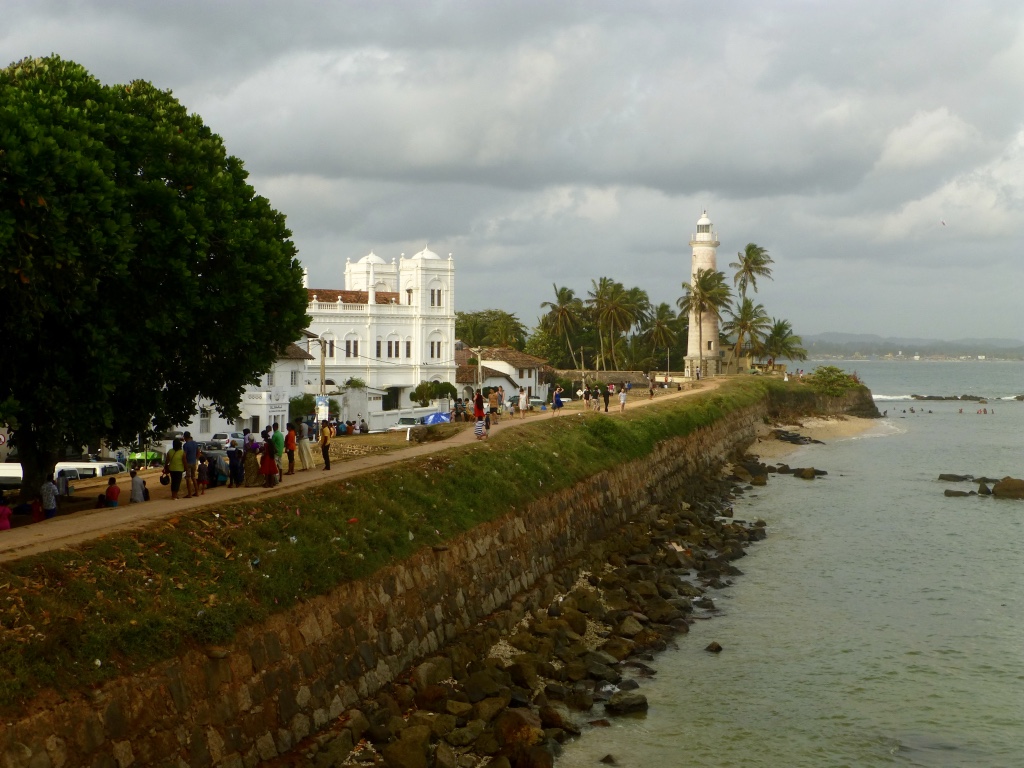
Again if you’re a cricket fan, coinciding your trip to Galle with a cricket match is definitely recommended. The ground, just outside the old town walls, has to be in one of the most spectacular settings in the world.
If you’re looking for a bite to eat, choose one of the fort restaurants with a terrace looking over the old colonial roofs towards the sea. Opt for a traditional Sri Lankan curry which will be accompanied by numerous bowls of chutney and sambol.
Day 3: Galle/Unawatuna
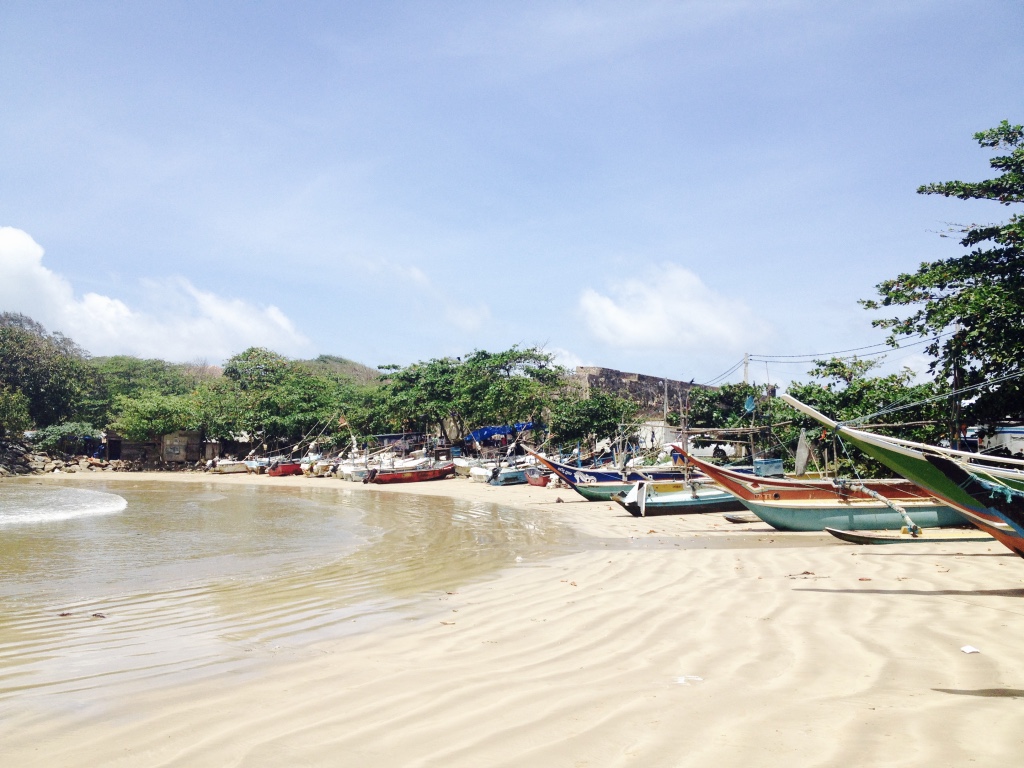
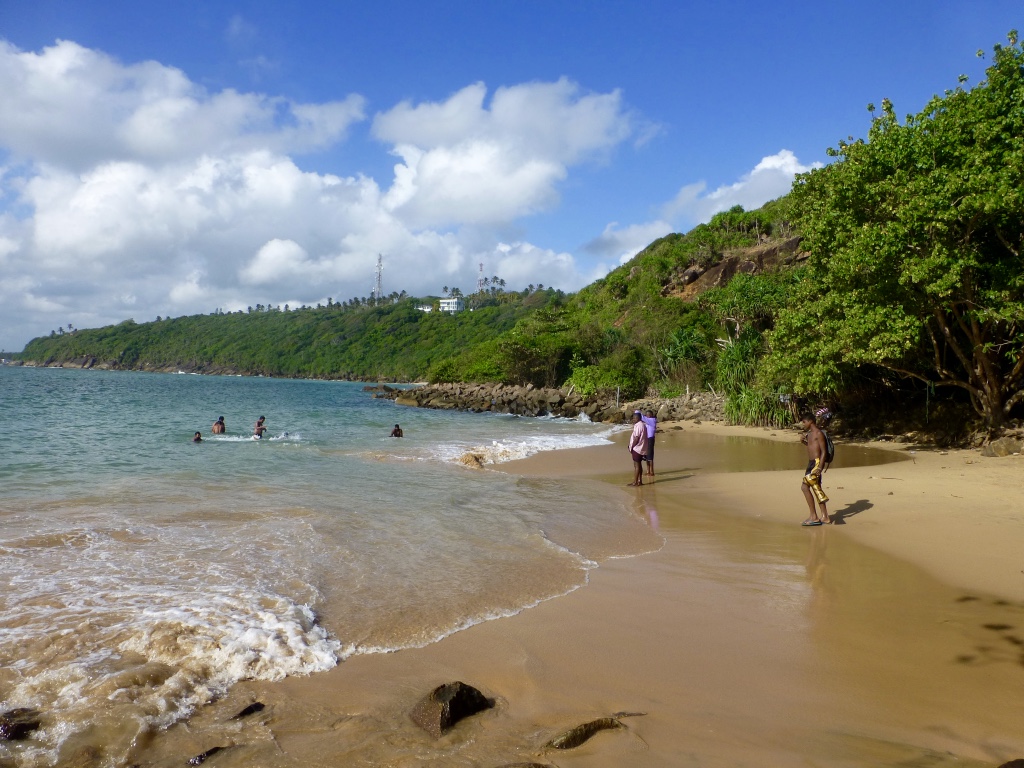
Catch a tuk tuk or “Bajaj” to the Japanese pagoda on top of the headland opposite the Dutch fort. Follow the trail down to Jungle Beach where you will find a lovely secluded beach unbeknownst to most tourists, with beautiful turquoise water that is superb for swimming. Make the most of the swimming here, because many of the other beaches on the south coast have powerful surf, making swimming a little trickier!
In the afternoon, head to the other side of the headland and enjoy the backpacker atmosphere of Unawatuna and its long sandy beach covered with beach bars and restaurants.
Day 4: Mirissa
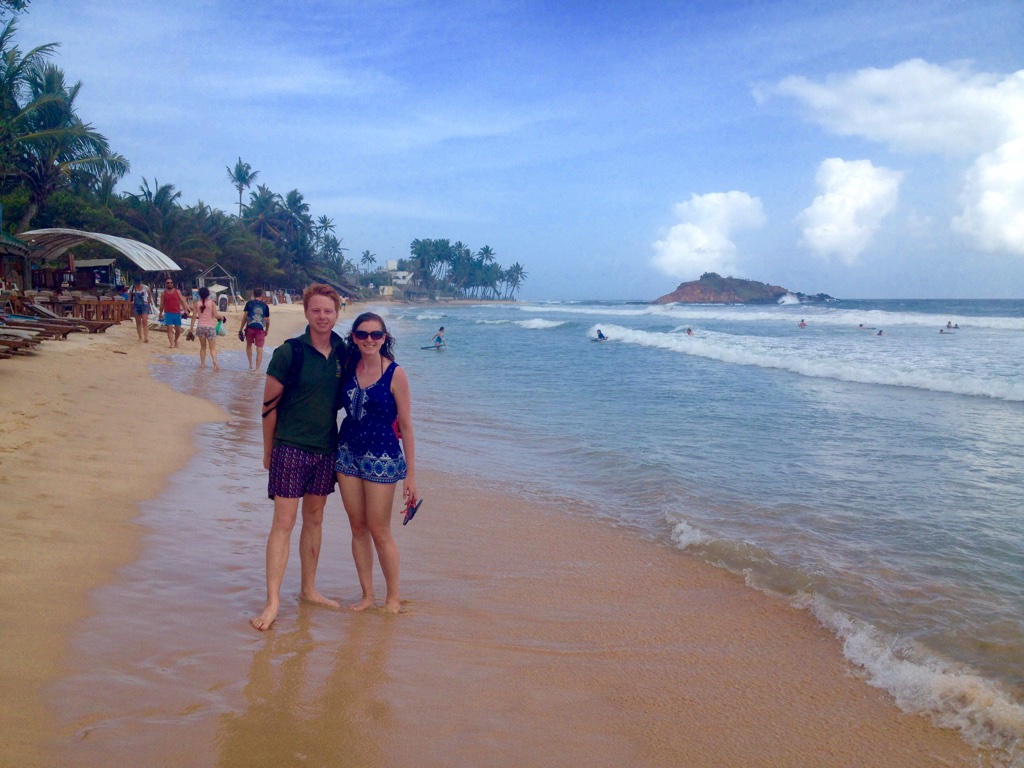
Drive approximately 45 minutes to Mirissa, on the south coast. With its beautiful, quiet palm lined beach dotted with the odd little beach cafe, you could easily spend longer here chilling in a hammock drinking from a coconut.
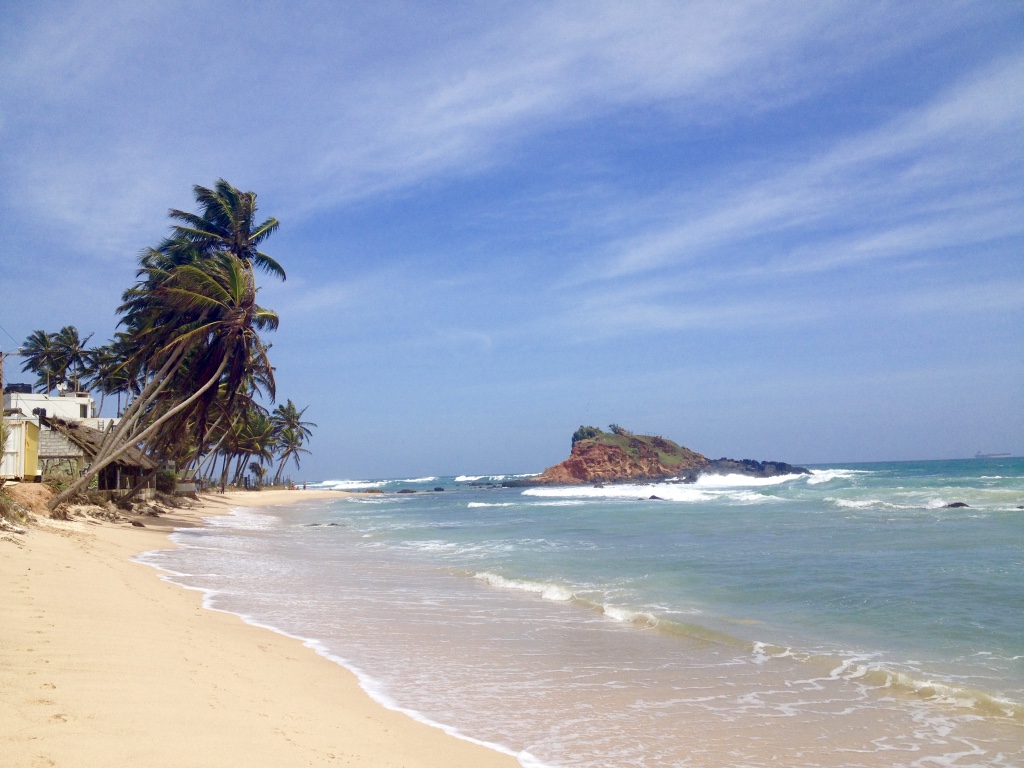
Given our schedule, we came for just a day for the infamous whale watching opportunities. If you think your stomach can handle it, the success rate is pretty high. We went with Royal Tours Mirissa. The best time to see whales is between November and April because the sea is much calmer and the whales migrate past the south of Sri Lanka at this time of year. During these months, most tours return having seen a sperm whale, fin whale or even a blue whale. There are often dolphins in the area as well. But beware outside of these months, the Indian Ocean can be extremely rough and – we can tell you from experience – the tour operator will not turn the boat around and take you back to shore, no matter how nauseous some of the passengers may be feeling!
Relax on the beach with a cool drink from one of the tiny restaurants at the edge of the beach. Take a dip in the shallows, but beware of the strength of the current and the surf – it is surprisingly strong.
Day 5: Rekawa
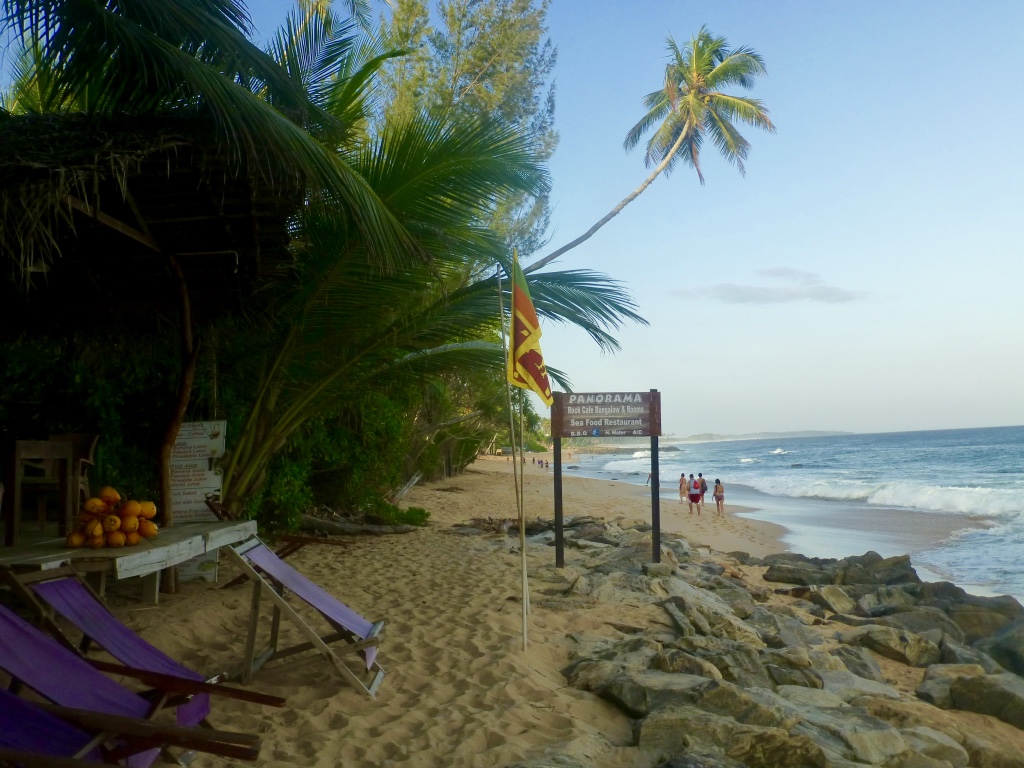
Move on to nearby Rekawa, where the beaches are still picturesque and the surf just as relentless! The main beach is a long sandy spit separating the Indian Ocean and Rekawa lagoon. Take a big stroll along the sand and take in the amazing scenery. Opt for a nice beach side hotel where you can wake up to the sound of the waves and be in the water within 30 seconds of opening your front door! We stayed in Panorama Rock Cafe which is right on the sand (see Where to Stay in Sri Lanka for more on this).
The main attraction here is the possibility of seeing a variety of turtles, including the great leatherbacks which haul themselves out the ocean and up to the top of the beach to their nests. You can book a turtle watching experience with Turtle Watch Rekawa late in the evening from April to July. It is very important to respect the turtles during the experience and give them their space and some peace and quiet. A lot of chatter, lights and general commotion can be distressing for the turtles and will also reduce your chance of seeing them.
DayS 6 & 7: Tissamaharama (TISSA)
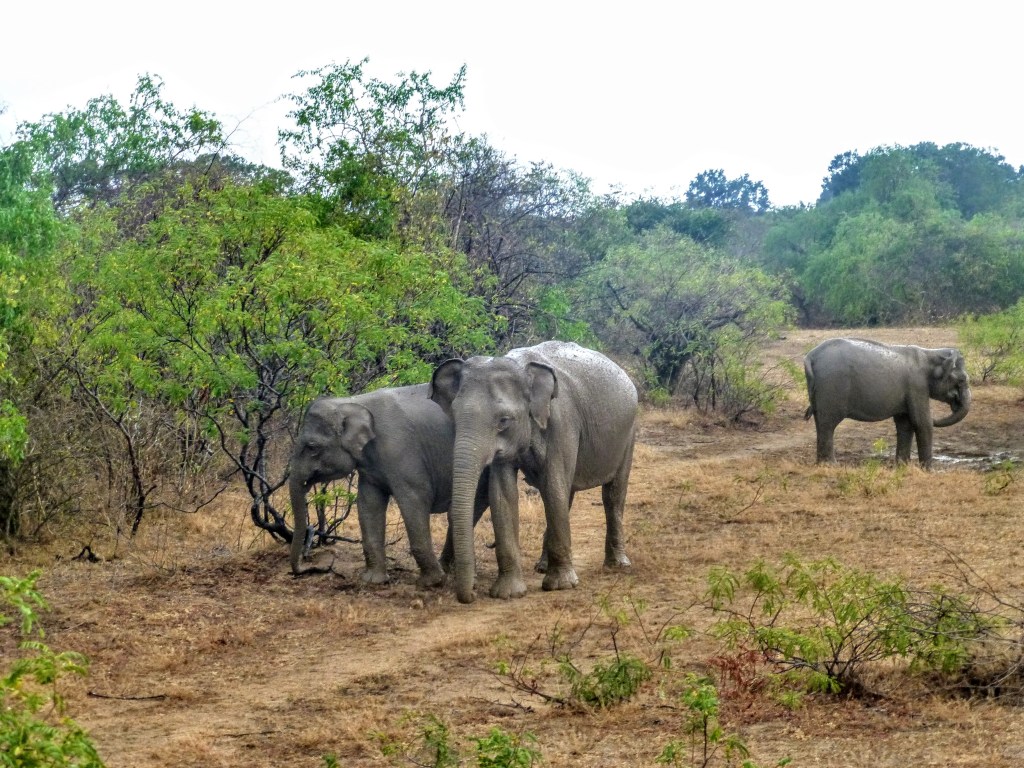
Having spent a lazy morning at Rekawa, in the afternoon move onto Tissa on the edge of Yala national park, the home of the leopard.
Organise an early morning jeep safari into the park for the next day as the animals are generally most active early on, plus this is before it gets too hot and before any afternoon thunderstorms arrive. Beware that the leopards can be extremely elusive in any event!
Once you have seen enough of the wildlife that Yala National Park has to offer, move on to Ella (a longer drive of approx. 2 hours).
Day 8: Ella
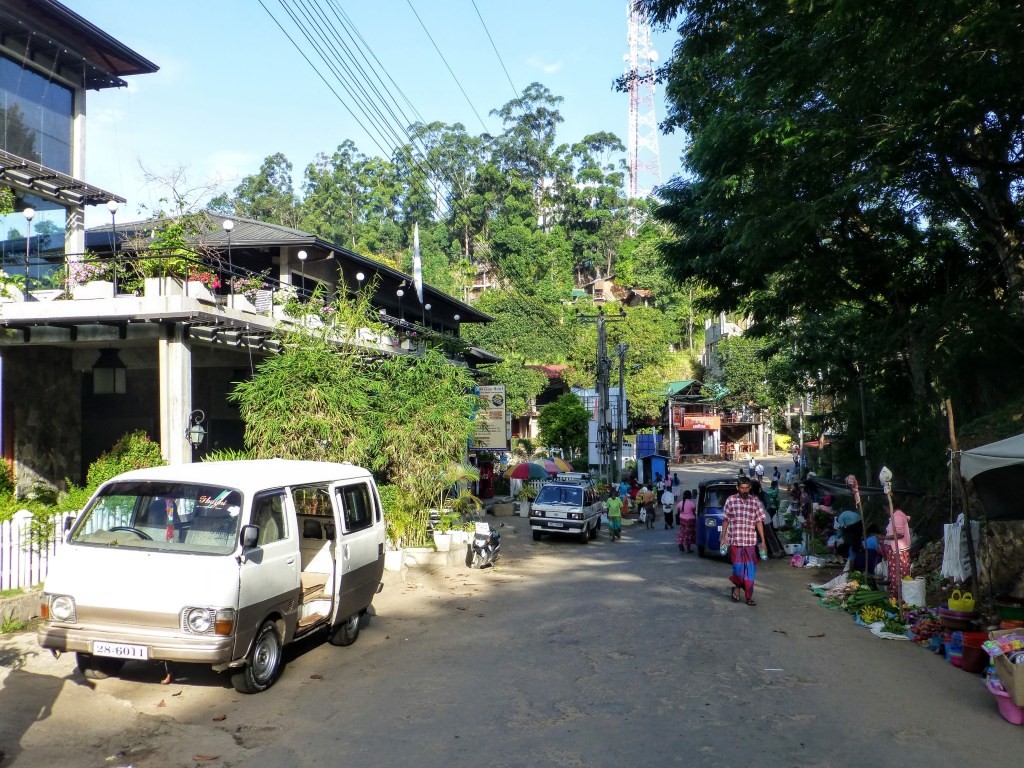
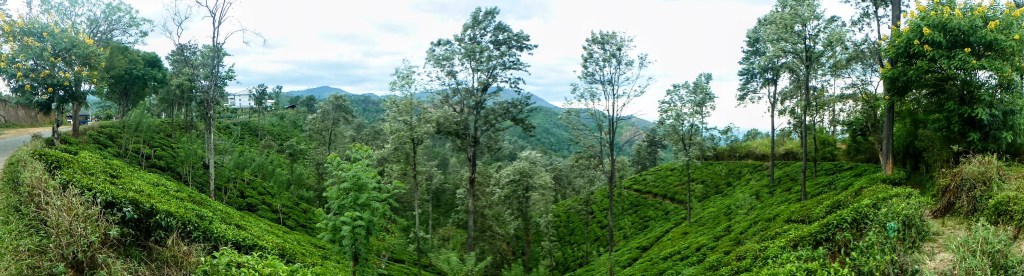
The tiny town of Ella is perched up in the hills where the tea plantations flourish. The town itself is small with only one road running through it, lined with some local market stalls and a few wooden fronted restaurants and B&Bs. But the hiking options, offering stunning views across the sloping hills coated with emerald green tea plantations, make it a rather magical destination, and certainly worth a couple of days’ of your time.
On your first day in Ella, embark on one of the most popular hikes to Little Adam’s Peak, which affords fantastic views all the way across to the sea. The route is fairly easy with a gentle ascent through the tea plantations, followed by only a moderately steep climb up some steps to the viewpoint. From there we would recommend continuing along the undulating ridge right to the end for the best views.
On the way back from the peak, stop off at Newburgh Estate Green Tea Factory and take a tour around the production line. Here you will be handed a very fashionable blue hair net and some gloves to avoid contaminating the production of one of Sri Lanka’s primary exports. After learning all about the plant to cup production of Sri Lankan tea, you will get the chance to taste some of their produce (but don’t go adding any milk to the tea, that’s not how the locals drink it!).
Day 9: Ella
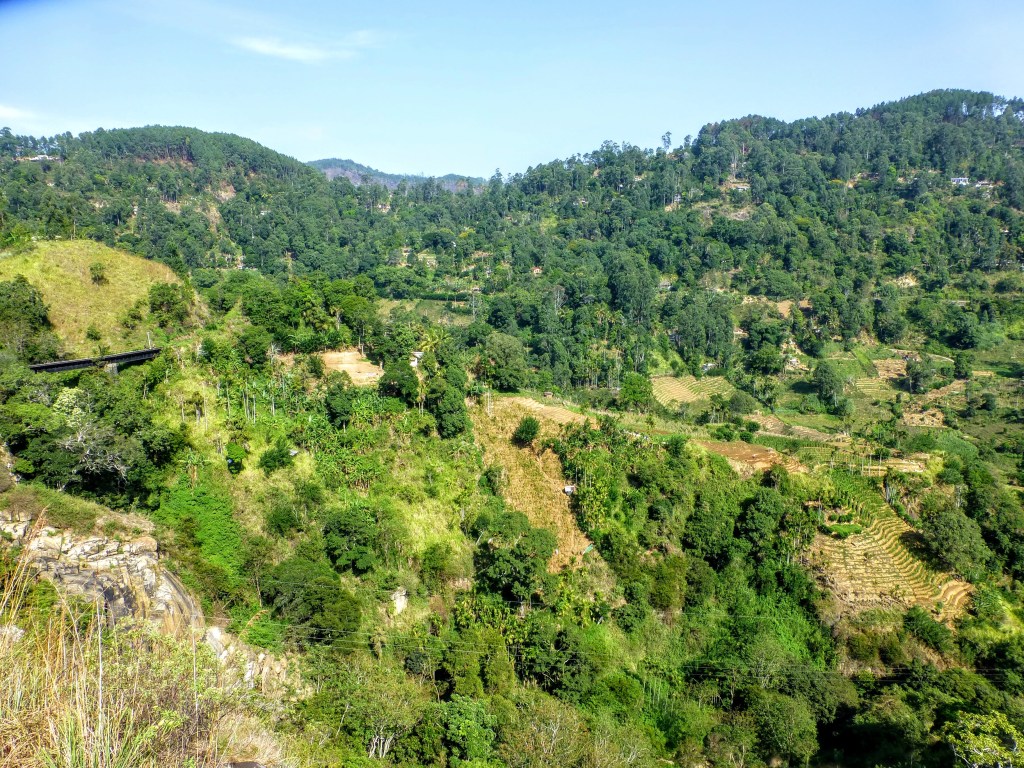
Take another popular hike to the top of Ella’s Rock for a view even better than the day before. This was our personal favourite – the walk can be done in half a day but the views are so spectacular that its worth taking your time (so pack a picnic!). It’s also worth factoring in some time for getting lost, as the route is not completely obvious and there are some red herrings along the way which don’t make it any easier. There are plenty of blogs online which should help you avoid these common mistakes and stay on the right path. If you’re still unsure, there are local guides who you can hire to give you peace of mind.
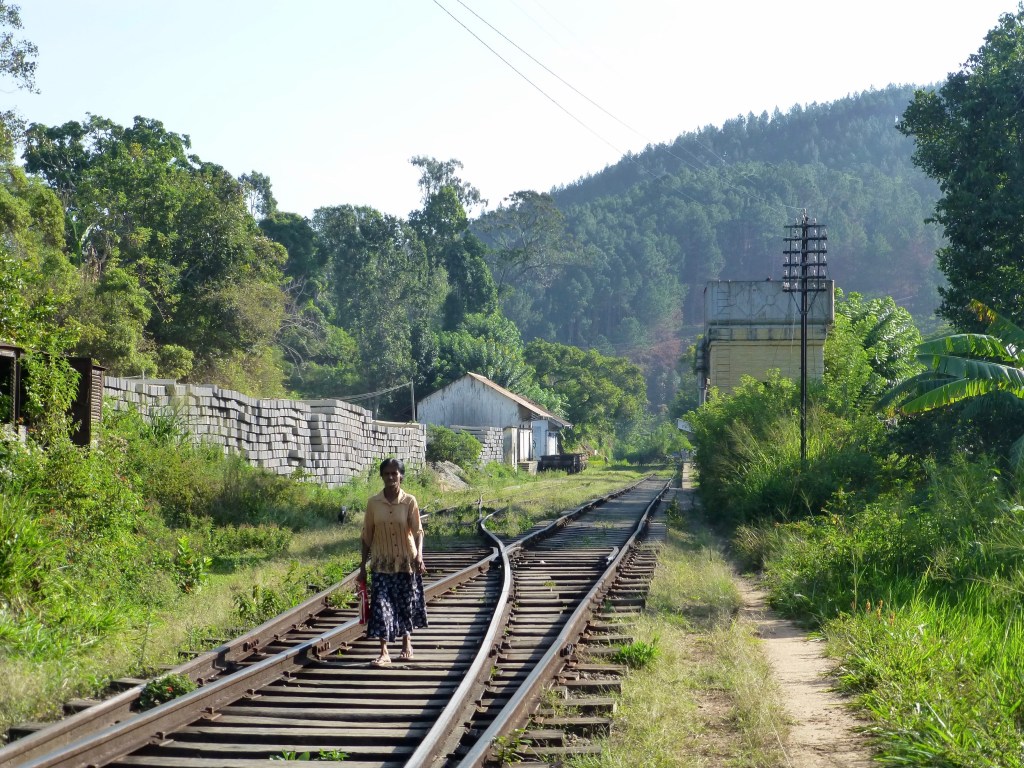
Start by walking from Ella town to Ella Railway Station. From there you must ignore all instincts and carry on along the railway tracks, which you will find is treated much like a footpath by the locals. Make sure to remain on the railway until after Kithaella Railway Station as there are plenty of signs and markers which indicate the turning before you get to the station. Once you have made sure to take the correct turning, the route is fairly straight forward from there.
Day 10: Nuwara Eliya
Nuwara Eliya is another one and a half hours drive from Ella and the road takes you even higher into the hill country of Sri Lanka. Here the temperature is much cooler which was preferred by the British colonialists, giving rise to the name Nuwara Eliya or “Little England”. The colonial period lives on in the style of most of Nuwara Eliya’s buildings such as the Queen’s Cottage, the Grand Hotel and the town post office.
On the way to Nuwara Eliya stop in at the Hakgala Botanical Gardens, a truly excellent display of colourful flowers and landscape design, reminiscent of many English botanical gardens.
The city of Nuwara Eliya itself can be used as a base for Horton Plains National Park and for World’s End – a 1000m drop. Fit in a trip to World’s End before the day becomes too cold and the mists roll in.
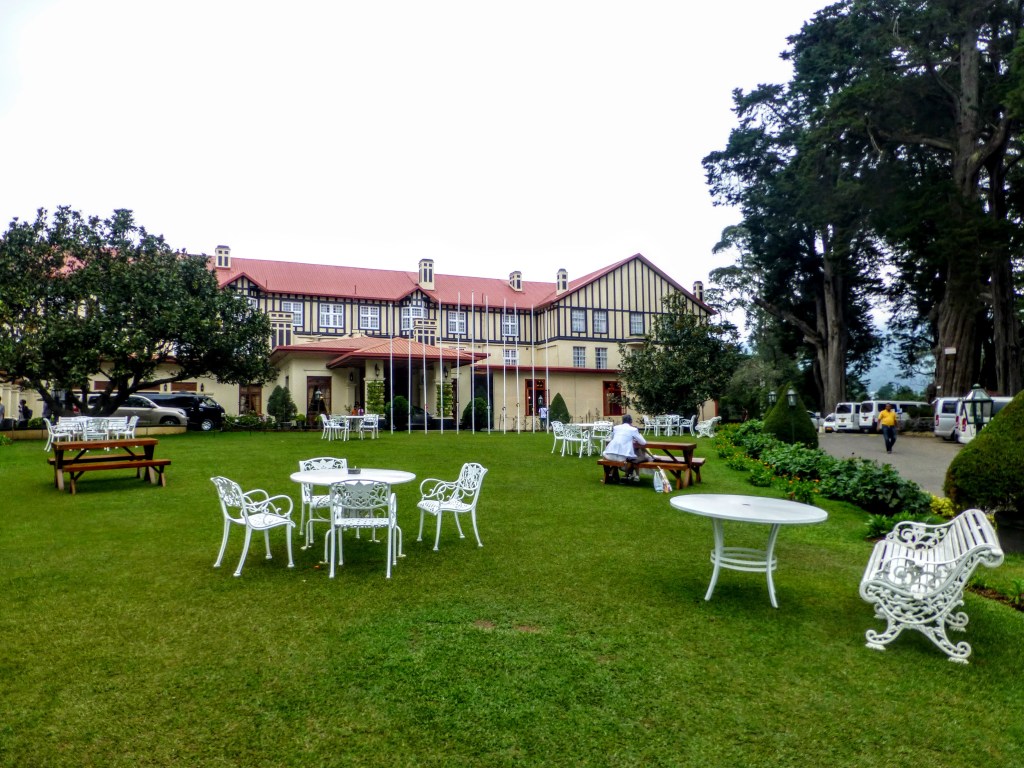
Stop in at the Grand Hotel, a timber framed old hotel which serves three tiered afternoon teas, adorned with perfect triangular sandwiches and pristine little cakes in their beautifully manicured gardens. Walk off the cakes with a slow amble to Lake Gregory and rent a little wooden rowing boat out for a quiet early evening paddle across the lake.
Day 11: Kandy
Set off to Kandy, Sri Lanka’s vibrant cultural capital.
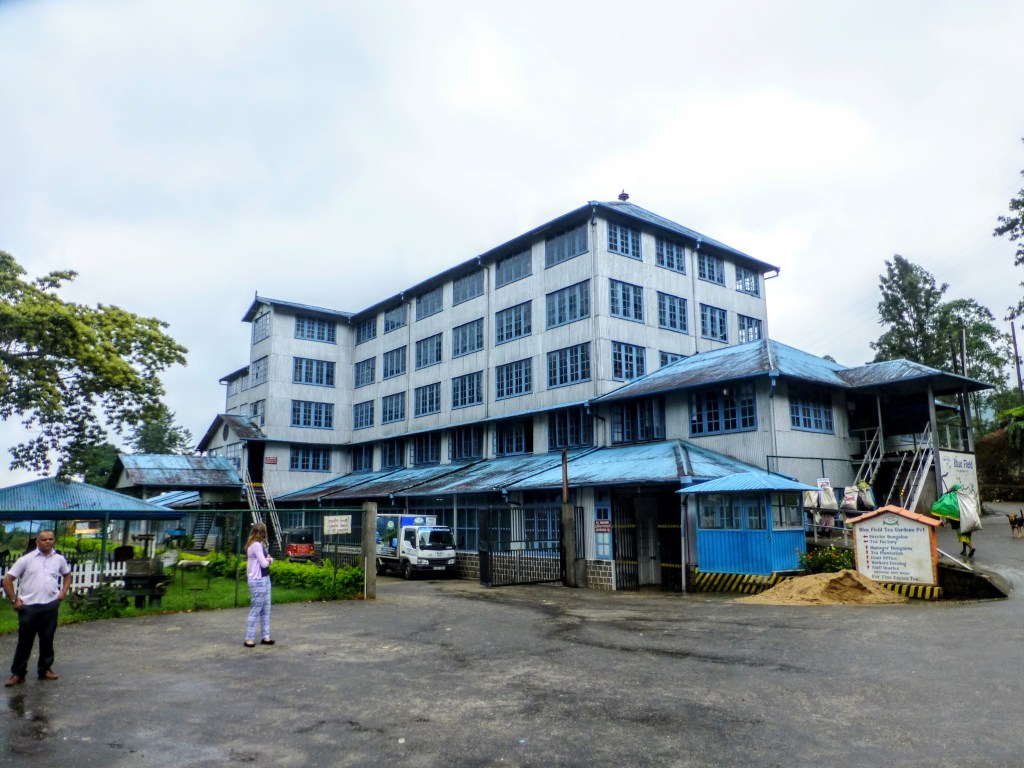
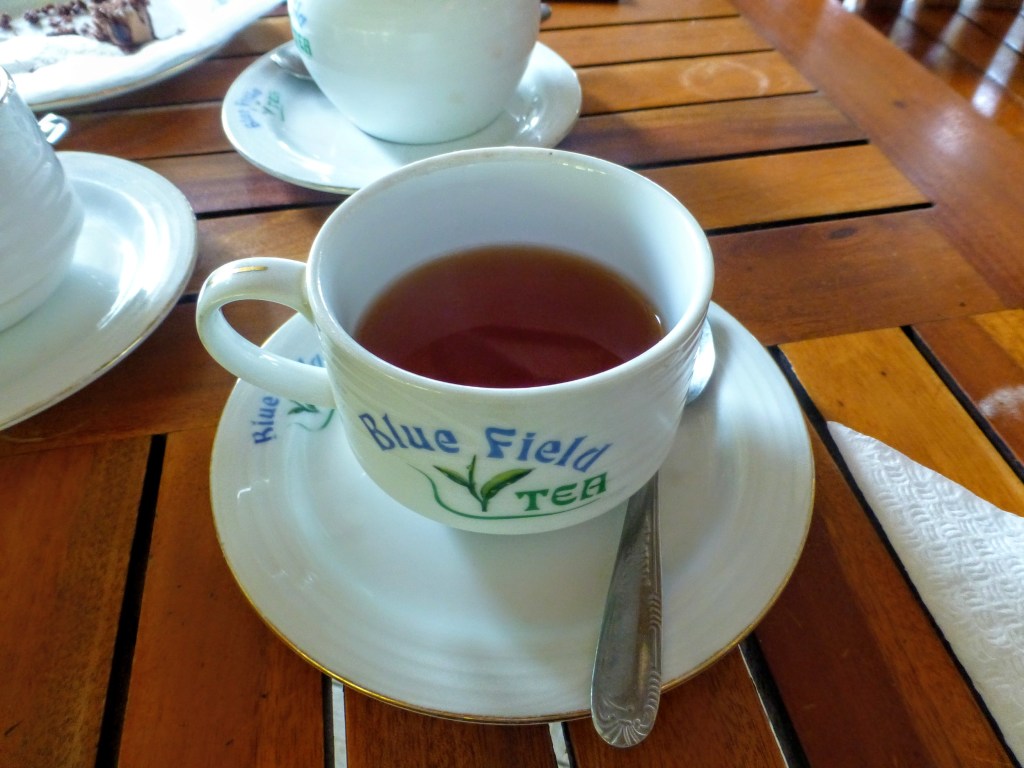
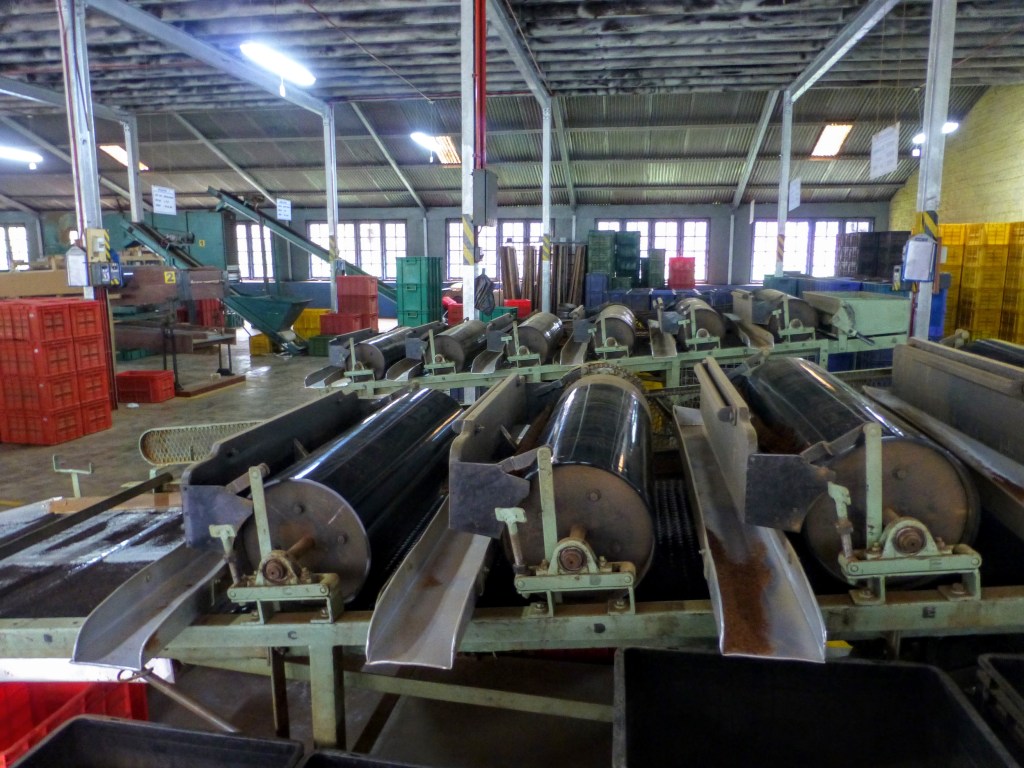
The drive to Kandy takes you past a number of fascinating exhibitions and workshops to break up the journey. If you haven’t had enough tea, stop in at the Blue Fields Tea Gardens in Ramboda for a tour of the factory that manufactures the revered Ceylon tea. Ramboda falls are also worth stopping in to see on your way.
There are also gem stone workshops which are worth a visit – ask your driver for a recommendation. The best workshops will teach you about how the gems are mined and processed before being carefully inserted into intricate designs. Sapphires are the most common Sri Lankan gems. It is worth noting that the workshop staff may apply a little pressure to sell you some of their products, so avoid lingering over certain pieces unless you really are interested in adding them to your collection!
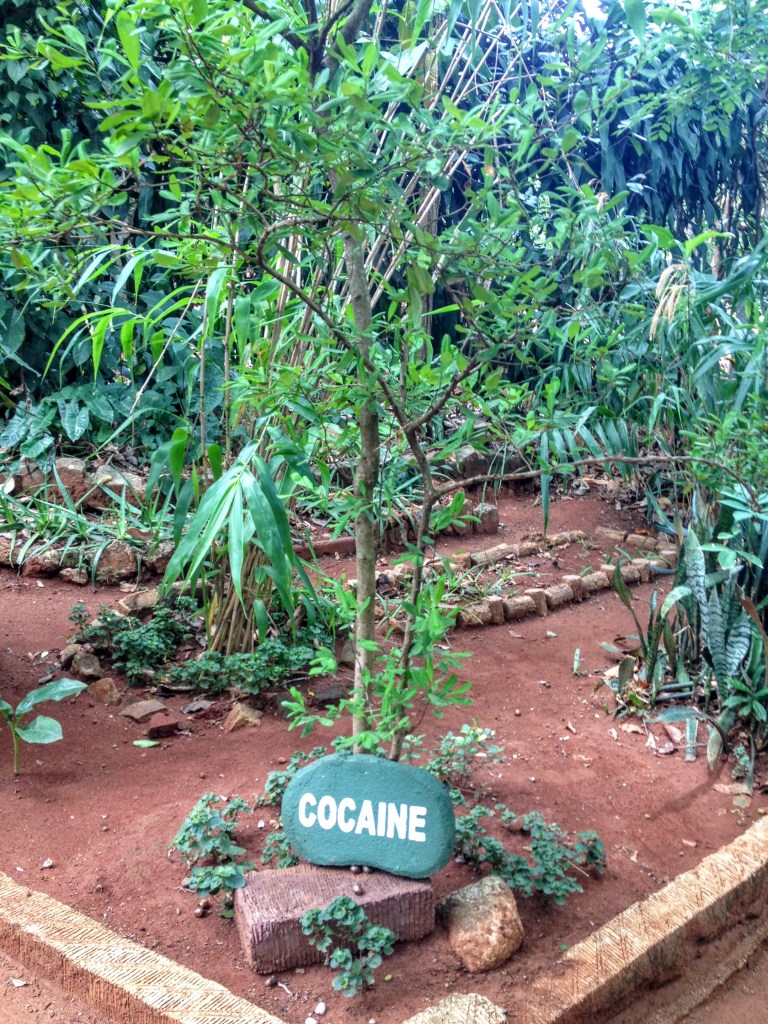
There are a few spice gardens around Kandy which, whilst at first glance don’t appear particularly exciting, offer surprisingly at how informative and engaging tours. We stopped in at New Ranweli Spice Garden and the tour there was very interactive. The guide gave detailed descriptions of each spice broken down into its taste, smell and use (culinary / medical).
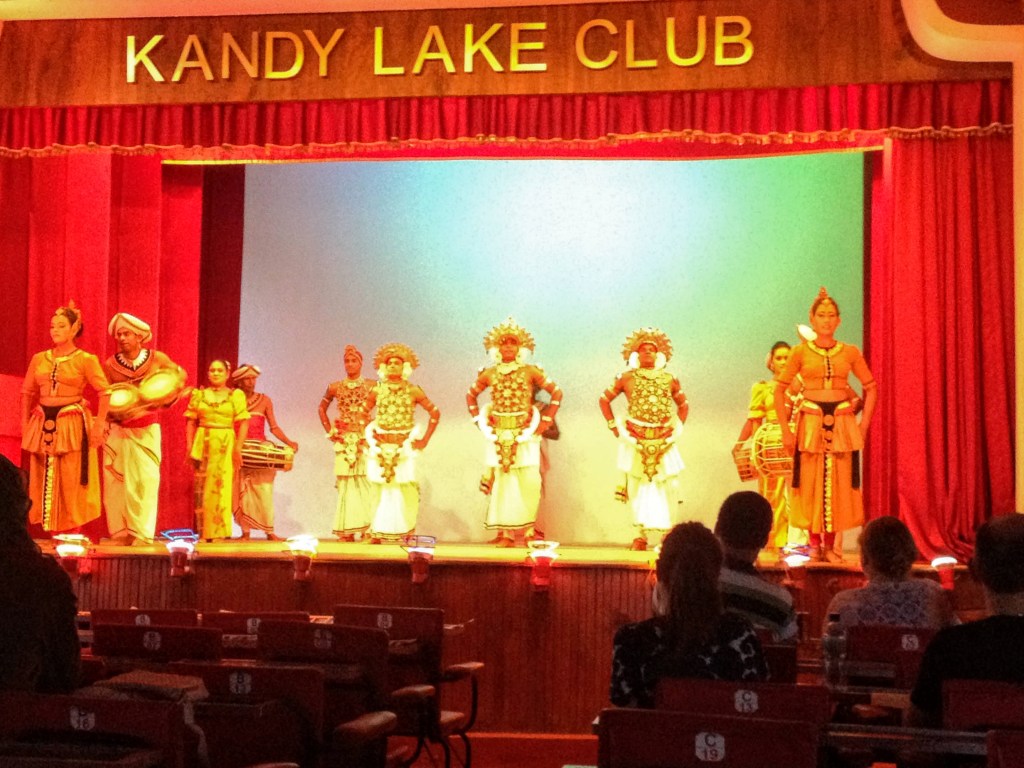
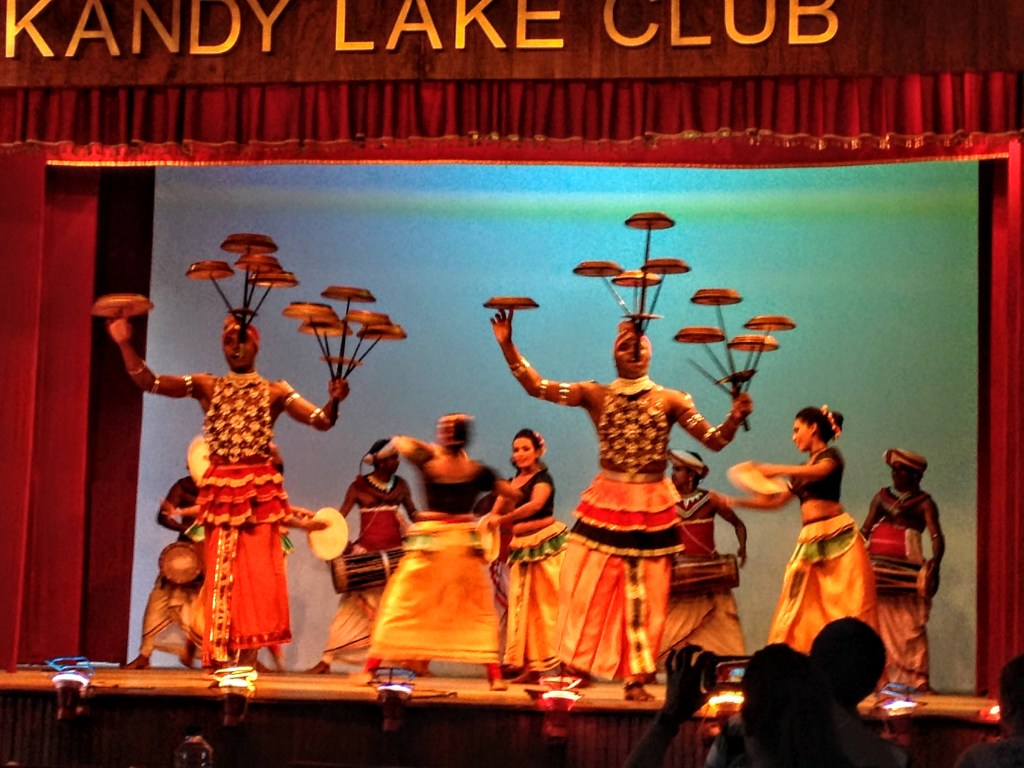
When you finally make it into Kandy, round off your day of culture at a Kandy Lake Club show. There are a range of performances including dancing, plate spinning, fire breathing and walking on hot coals, all accompanied by a cacophony of drums and whistles.
Day 12: Kandy
Spend the morning wandering around Kandy – the lake at the heart of the city, with its backdrop of mountains and tea plantations, is not to be missed.
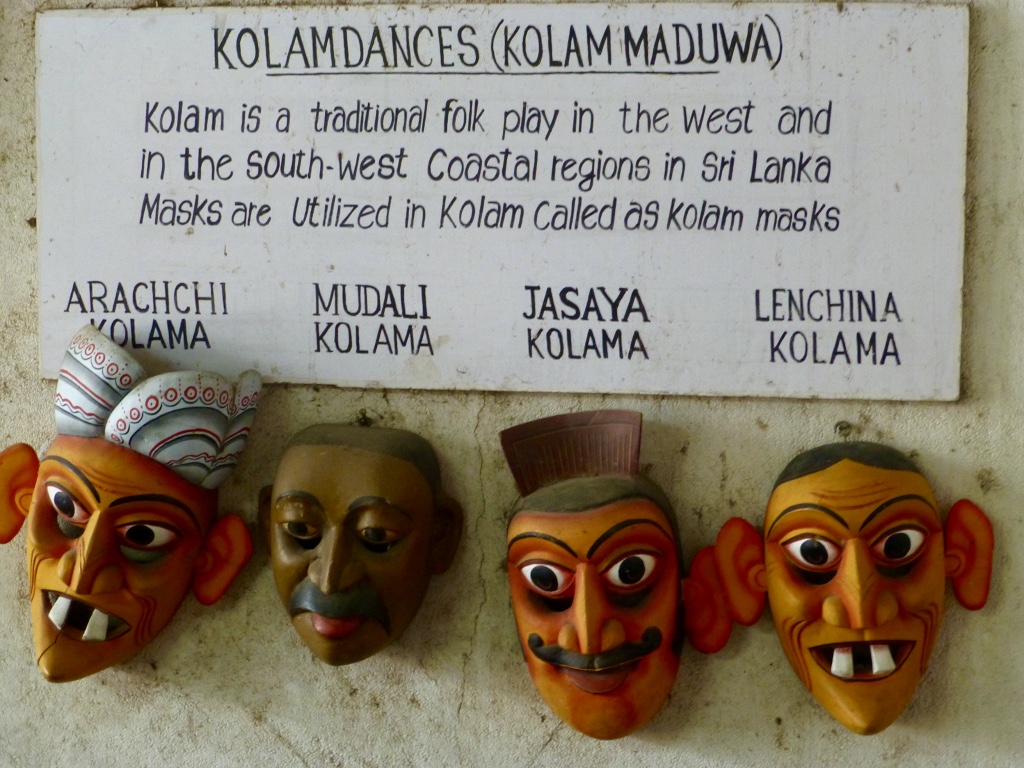
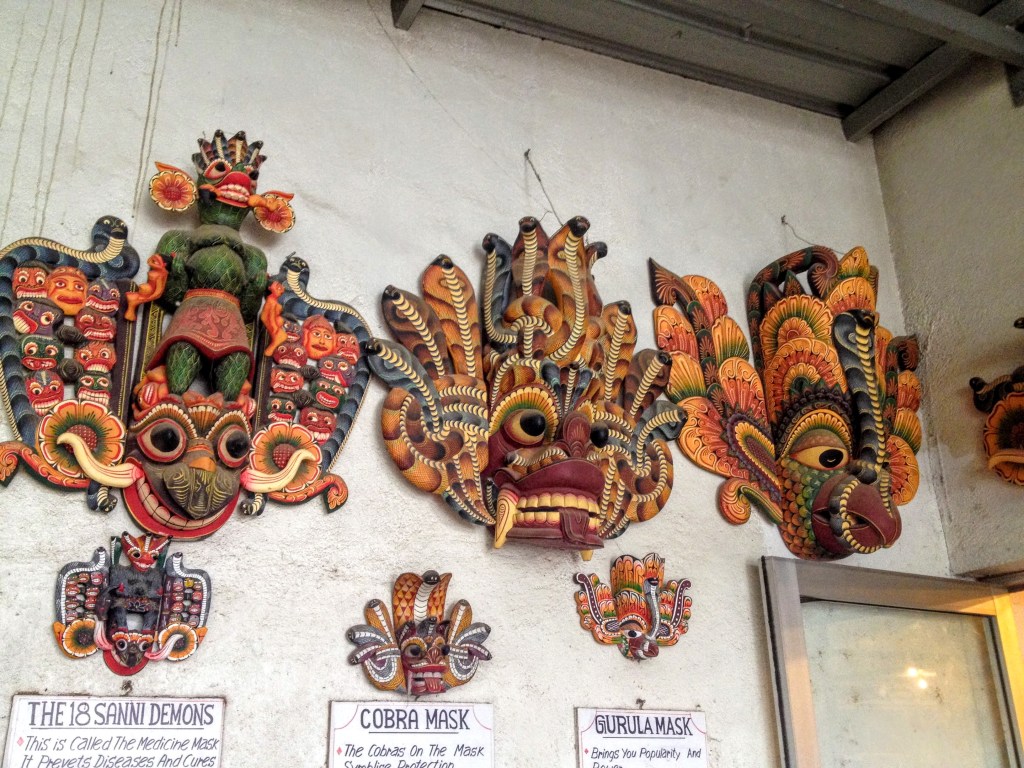
Drop into a local mask making workshop to see the traditional methods and materials used to make traditional colourful masks – some of which you might recognise from the Kandy Lake Club show. The masks themselves are steeped in folklore and are used for healing rituals known as “Devil Dances”.
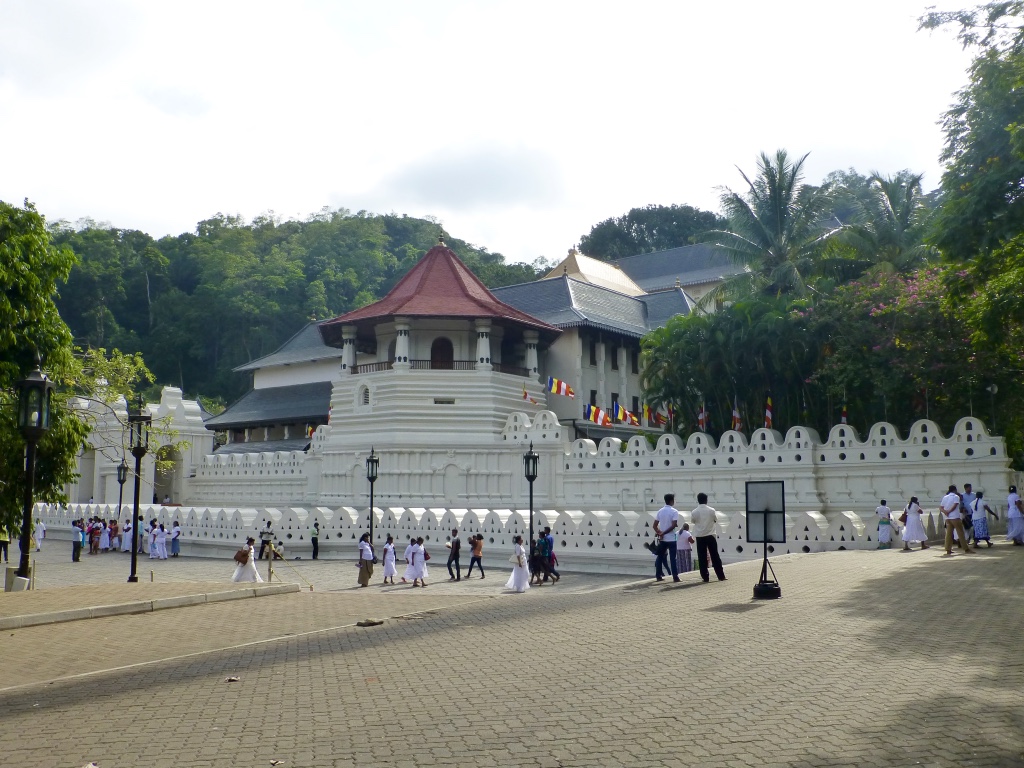
Finally, visit the Temple of the Sacred Tooth – a temple which according to legend holds the tooth of Buddha. It is mainly due to this temple that Kandy has gained its World Heritage Site status. Make sure to experience one of the ceremonies which take place daily at dawn, noon and dusk. During these ceremonies, the heavily guarded room where the tooth is held is opened to all. The combination of crowds and ceremonial music creates quite an atmosphere.
Day 13: Sigiriya
Head north to your final destination, the spectacular Sigiriya (the journey can take about two to three hours by car).
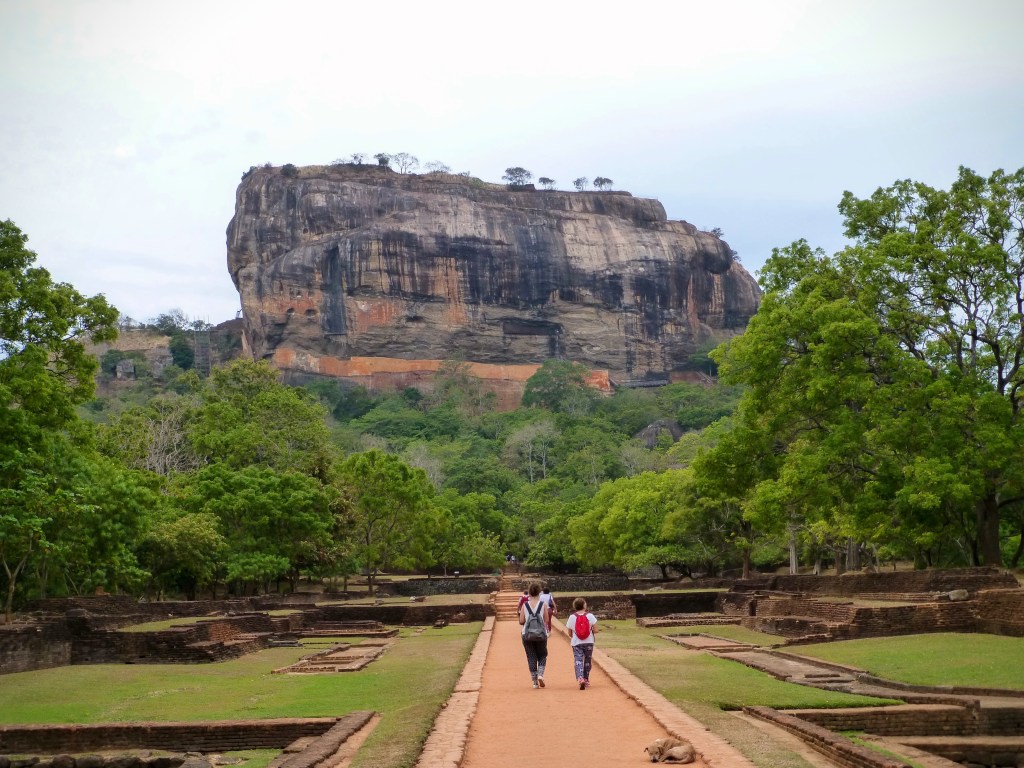
Sigiriya, a Unesco world heritage site, is an ancient rock fortress towering above the surrounding jungle that was home to civilisations dating back to the 5th century. Also known as Lion Rock, its main entrance is said to have been guarded by a huge stone lion. Today, only the paws of the lion remain either side of the the great stairs leading to the city above. The western face of the rock was originally covered in frescoes and some still remain to be seen today. Arrive early to beat the crowds and be prepared for a steep climb. Beware there is a hornet problem on the rock – there are even cages you can take refuge in should they start causing havoc – but the best advice is to take care not to agitate them with too much noise!
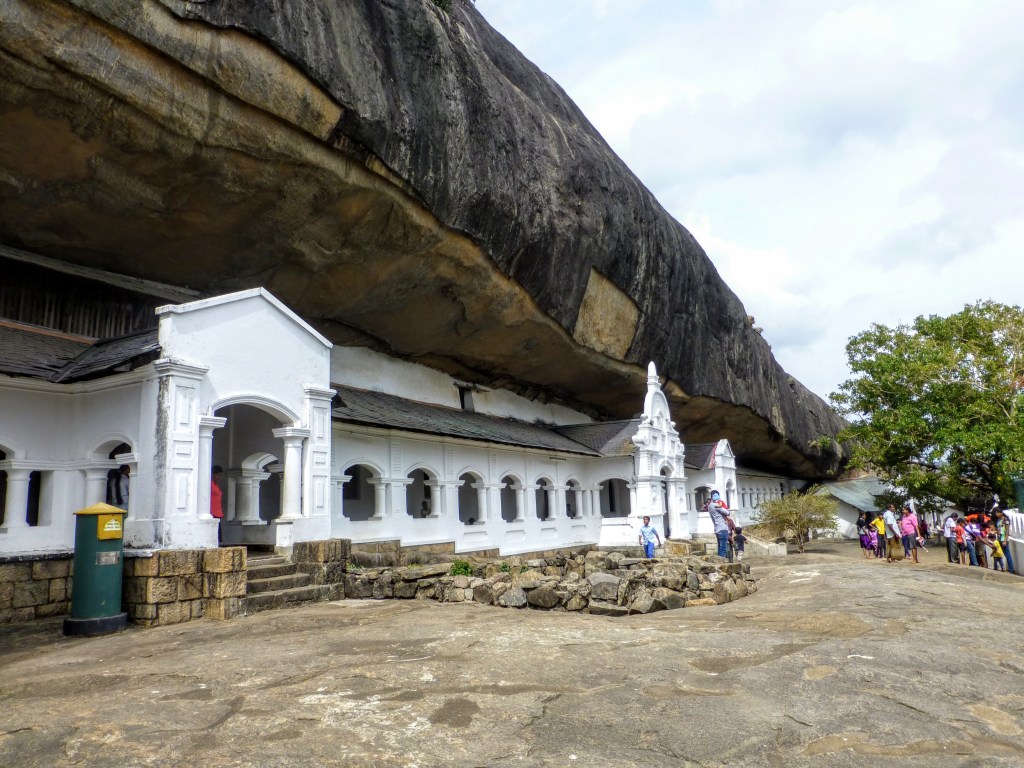
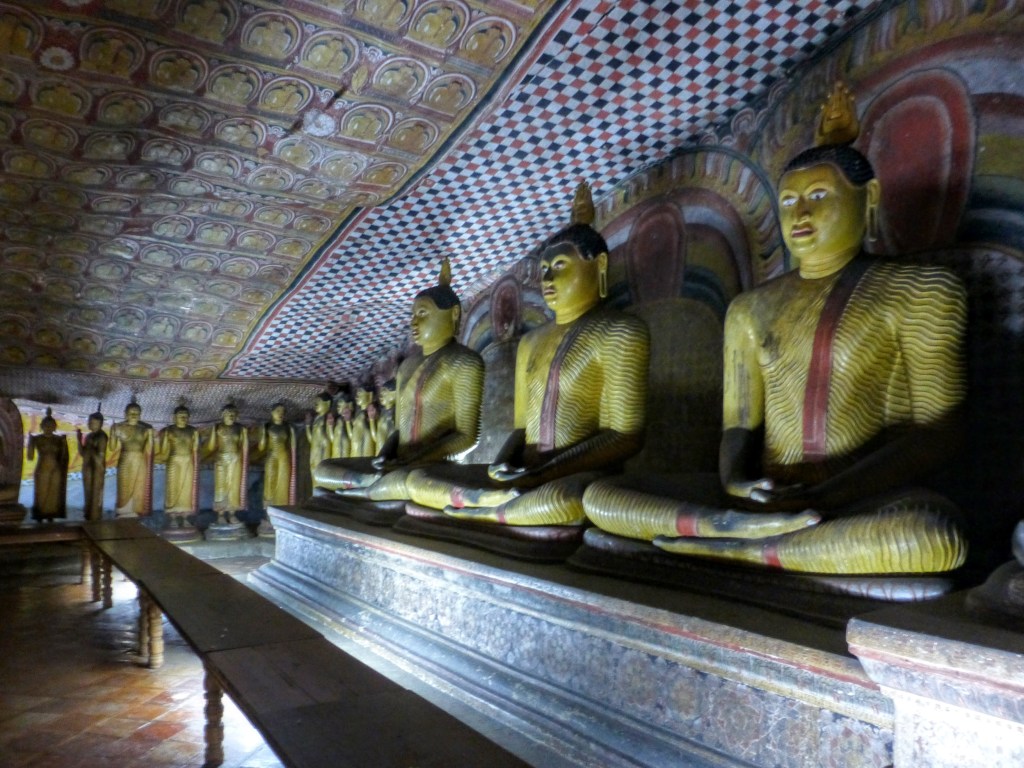
In the afternoon, head to the nearby Dambulla Cave Temple, the largest, best preserved cave-temple site in Sri Lanka. It consists of five cave shrines built into the 150m high Dambulla rock, containing 157 Buddha statues. Another steep climb to the cave entrance affords excellent views across the surrounding flat ands and towards Sigiriya.
Day 14: SIGIRIYA
Organise a 4×4 to drive you through Minneriya National Park. From April to October when the weather in Sri Lanka is drier, a phenomenon known as “the Gathering” takes place, where elephants from miles around come to the lake at Minneriya to drink. This is an unmissable opportunity to see such large herds of elephants all in one place. Safaris in the morning are best to also see the impressive bird life such as stalks and pelicans, but the elephants get thirsty in the afternoons so this is when we would recommend going.
DAY 15: Travel
It’s the end to a fantastic two weeks in Sri Lanka! Drive from Sigiriya to Colombo airport which takes approximately four hours and catch your flight home.
Blog posts on Sri Lanka

Where to Stay in Sri Lanka
We visited Sri Lanka for a couple of weeks after we graduated from University (see our two week itinerary in Sri Lanka). Having not started working in the corporate world at the time, we weren’t blessed with bags of cash, so the aim of this blog is to show how easy it is to stay…
Getting a driver in Sri Lanka
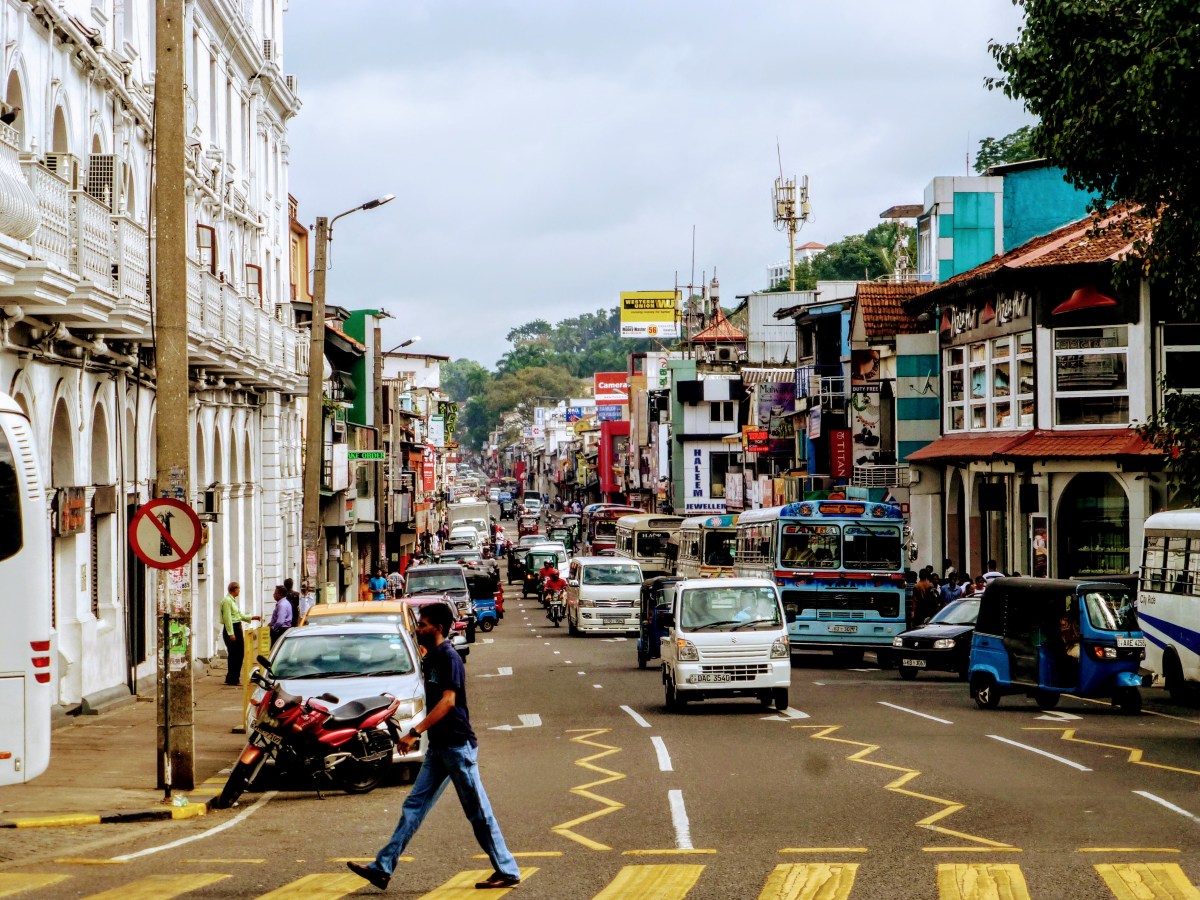
Although the public transport is pretty good in Sri Lanka, with the rail network connecting the majority of tourist hot spots together with useful bus services and tuk tuks (or Bajaj’s as they are called in Sri Lanka) filling in the gaps, we would recommend a private driver, particularly if you are short on time,…
 Sunburnt Zebra Travel