
Java, Indonesia
Why we loved Java…
Java is a great place to experience Indonesian culture and Pacific island life on a small budget. Home to Krakatoa, one of the most famous and catastrophic volcanoes of all time, Javans have made use of the fertile ash spewed across the island to cultivate millions of stunning rice terraces. The trip through Java can easily be combined with trips to many other Indonesian islands such as Lombok, Sumatra and Bali. Please note we traveled to Java before the Anak Krakatoa eruption in 2018 so some of this itinerary may no longer be possible.
Adventure
Chill
Culture
Nature
Our 10 day itinerary
This itinerary is one of the more relaxed and flexible trips we’ve done, with plenty of time to base yourself somewhere and do a few day trips and activities before moving on. It will work really well as part of a longer trip to Indonesia or South East Asia in general.
☆Don’t miss: The magnificent temples of Borobudur and Prambanan.
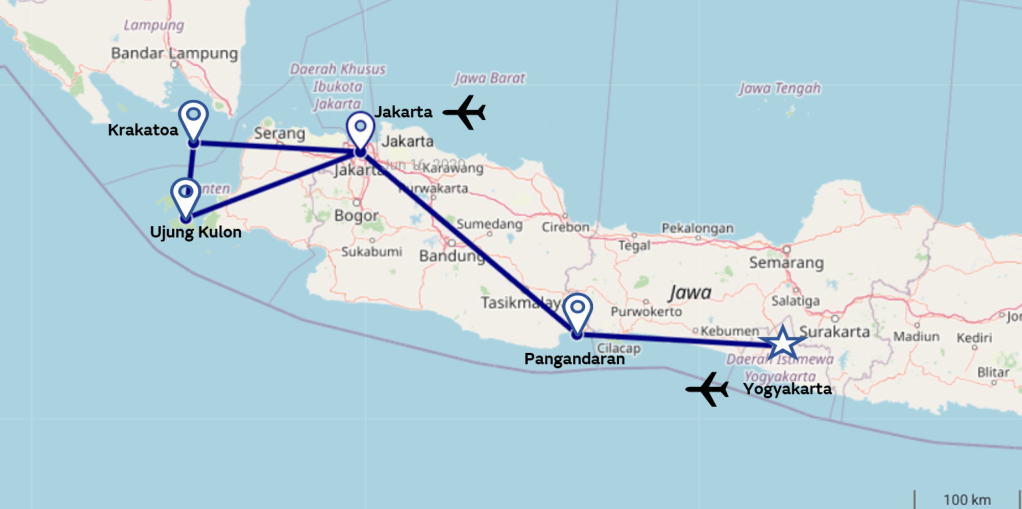
Day 1: Jakarta
Jakarta is Indonesia’s capital city and as the second most populous urban area after Tokyo (at the time of writing), it is pretty big and very, very busy. It is said that the population of inner Jakarta (a mere 10 million people) doubles during the day as millions of commuters flock to the city to earn their living. Dubbed “The Big Durian” in an Indonesian tweak of the “Big Apple” of New York, the business opportunities within the city have attracted many migrants, bringing with them a real mish-mash of cultures to the city.
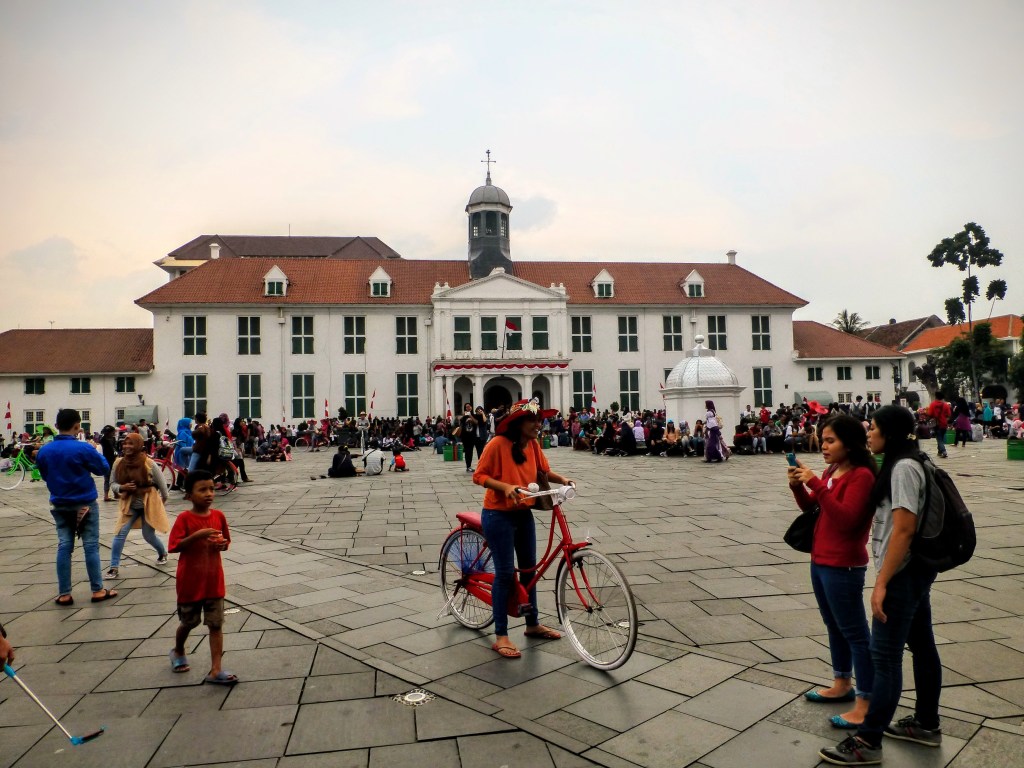
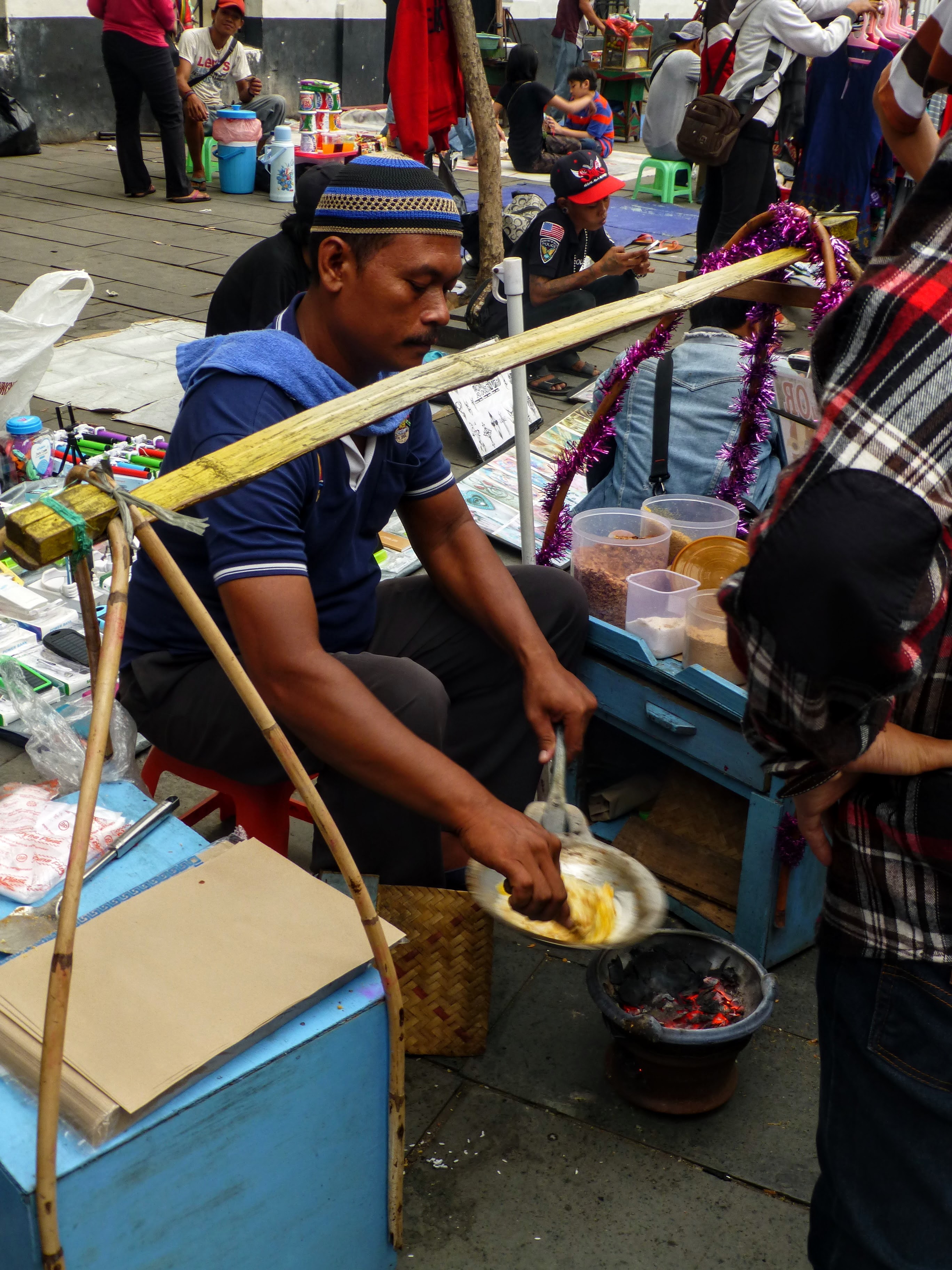
You will likely be pretty tired when you arrive as there aren’t many direct flights straight through to Jakarta. But wander through Kota Tua, the old colonial Dutch quarter in the evening – this is the only part of Jakarta which is really worth seeing. The hub of Kota Tua is the large paved square, humming with tourists and street artists in the evenings. Lining the square are several colonial white buildings with terracotta roofs such as the Jakarta History Museum and Cafe Batavia. The streets connecting to the square are packed with street vendors selling all kinds of bric-a-brac and street food. The Indonesian style of making pancakes is definitely worth a watch.
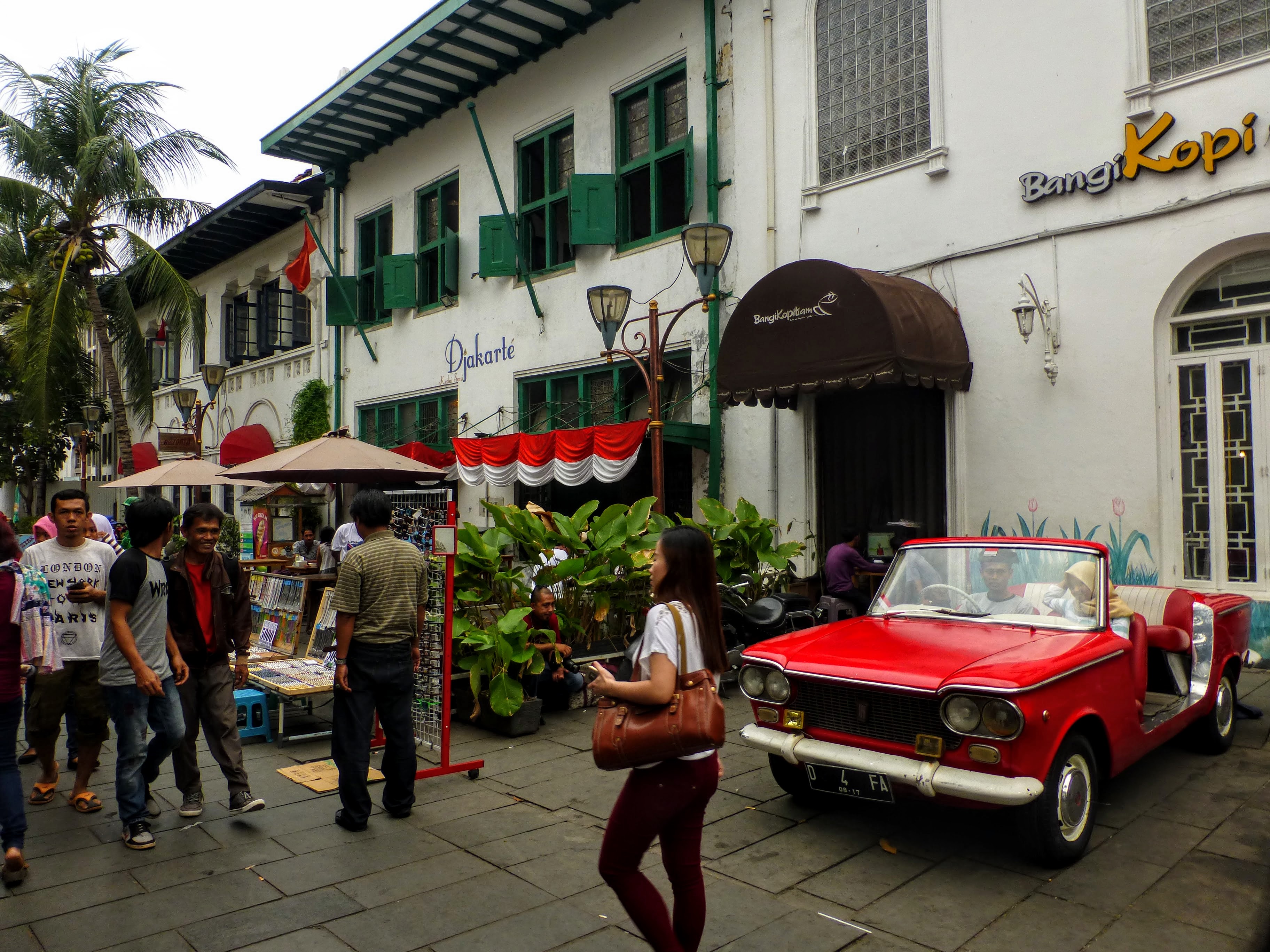
Bustling Kota Tua in the evening
Day 2: Krakatoa
Head down to the coast to see the most famous volcano of all, Krakatoa. There are many tour companies running one, two and three day trips to the region. Opt for at least a two day tour, so that you get to see Ujung Kulon National Park as well as the volcano.
Organise an early pick up by your tour guide, who will drive you to Carita, a village on the west coast of the island. The journey is not a short one, so you may be able to catch up on some sleep in the minibus. All being well with the traffic getting out of Jakarta the journey takes about three hours.
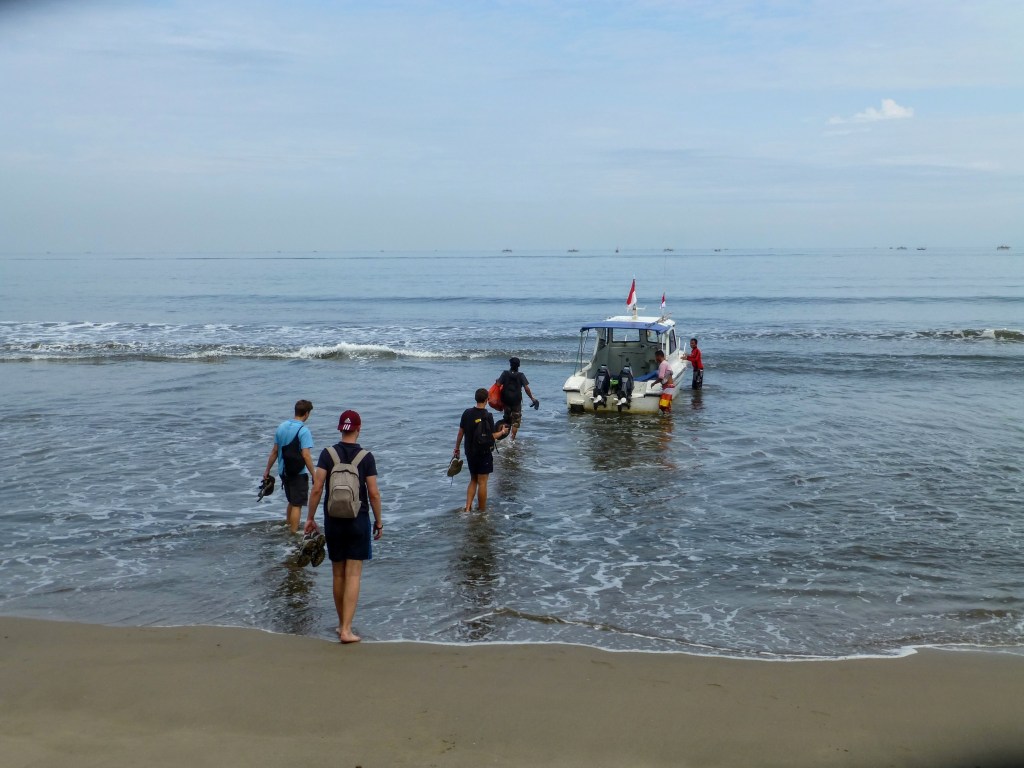
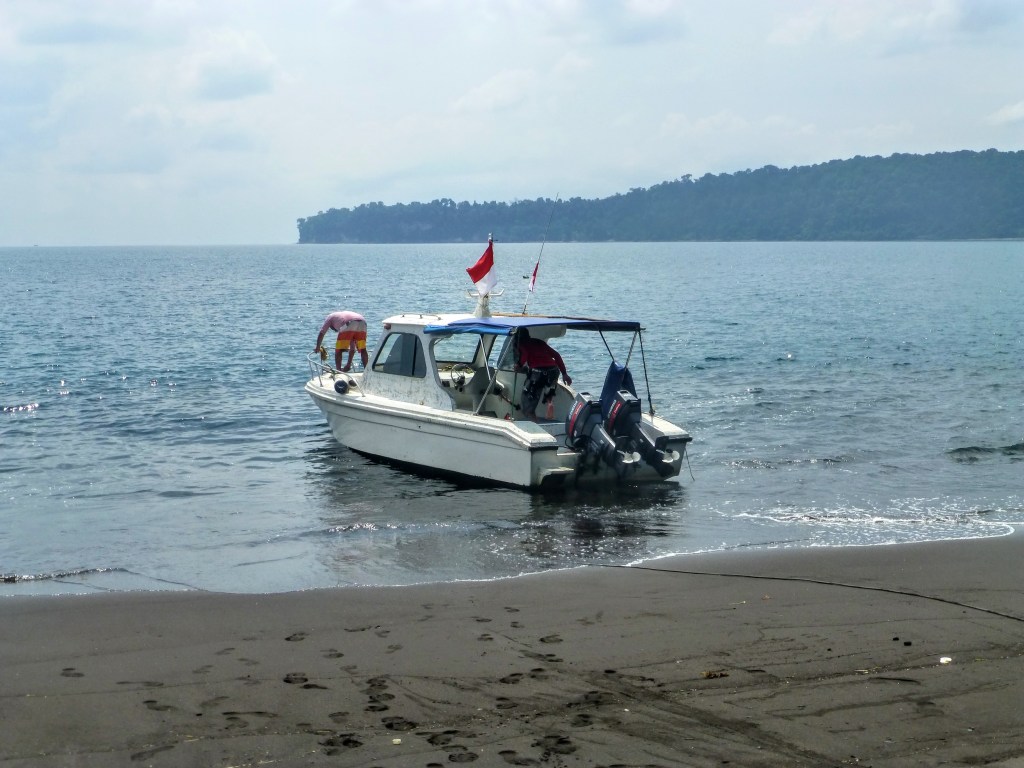
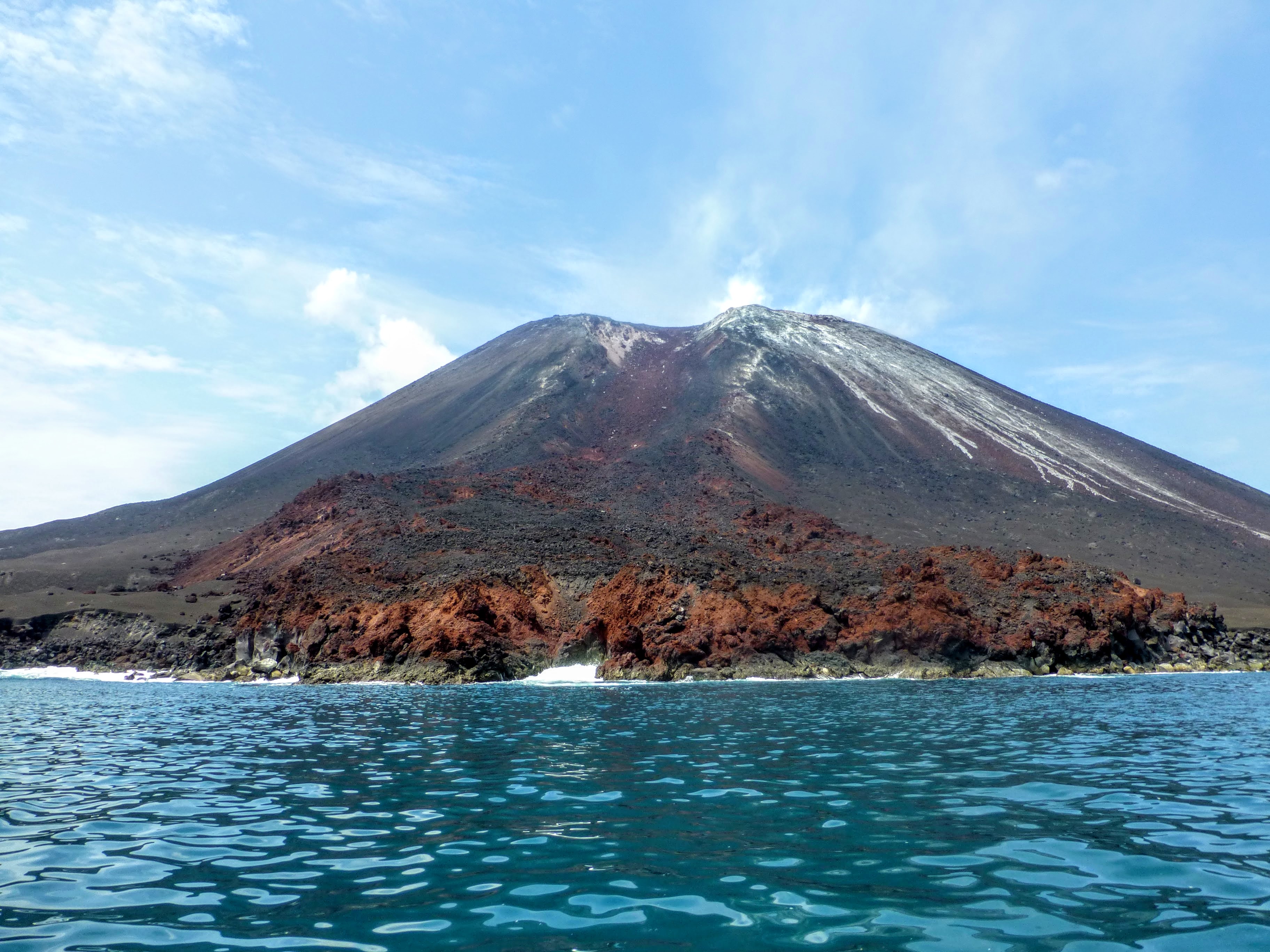
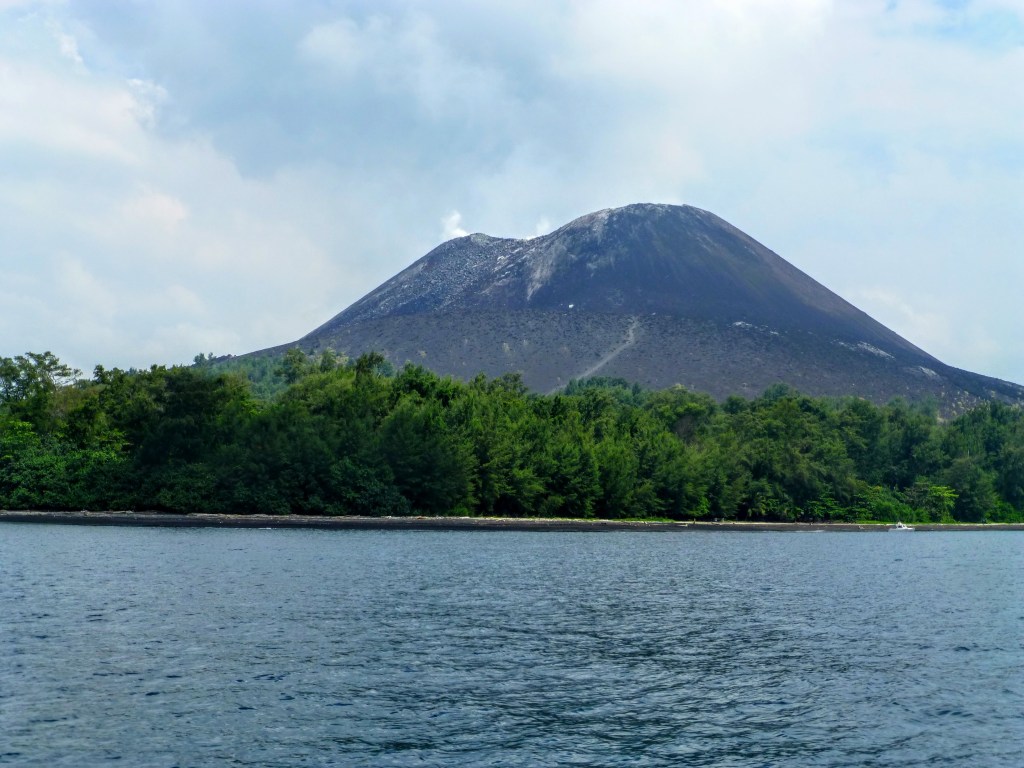
From Carita, a speed boat will take you out across the Sunda Strait, the channel between Java and Sumatra, to Anak Krakatoa and drop you on a black sand beach. When we went the place was deserted and we had the entire volcano to ourselves.
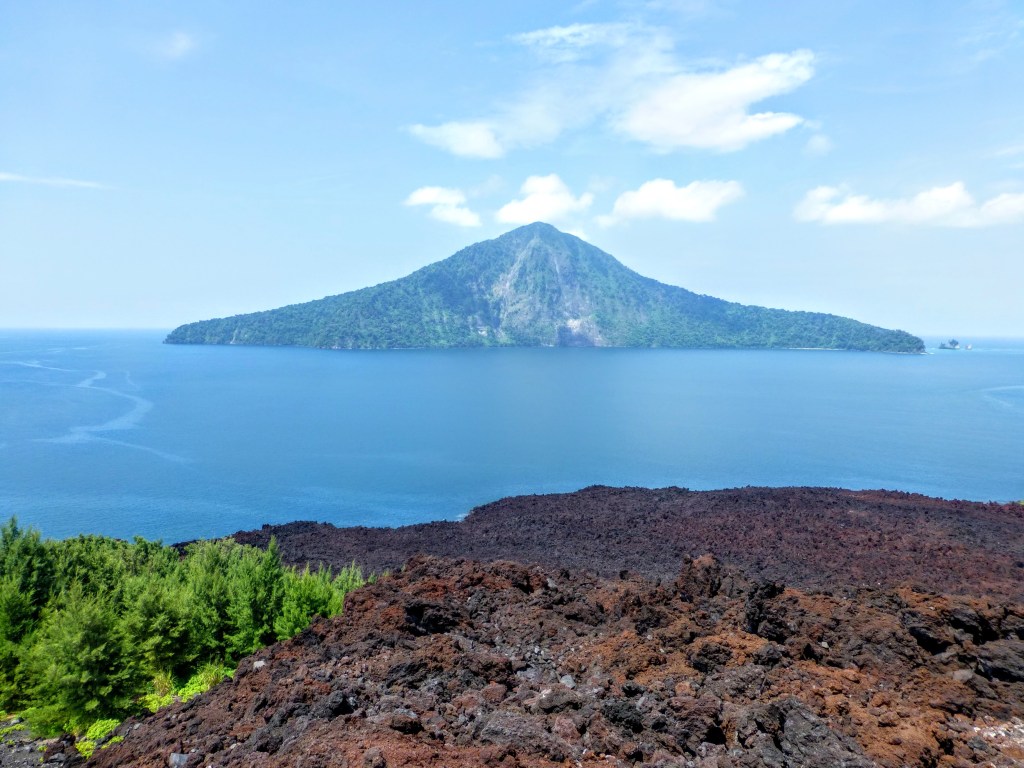
Follow your guide carefully along the sulphur infused trail which takes you half way up to the crater of Anak Krakatoa. Enjoy the views of the volcano and the three other islands surrounding it, Krakatoa, Sertung and Krakatau Kecil. The almost circular distribution of these three surrounding islands provides just a taste of the devastation of the 1883 eruption – the islands and the cavernous crater in between them are all that is left of the great Krakatoa volcano after it was flung across half the globe.
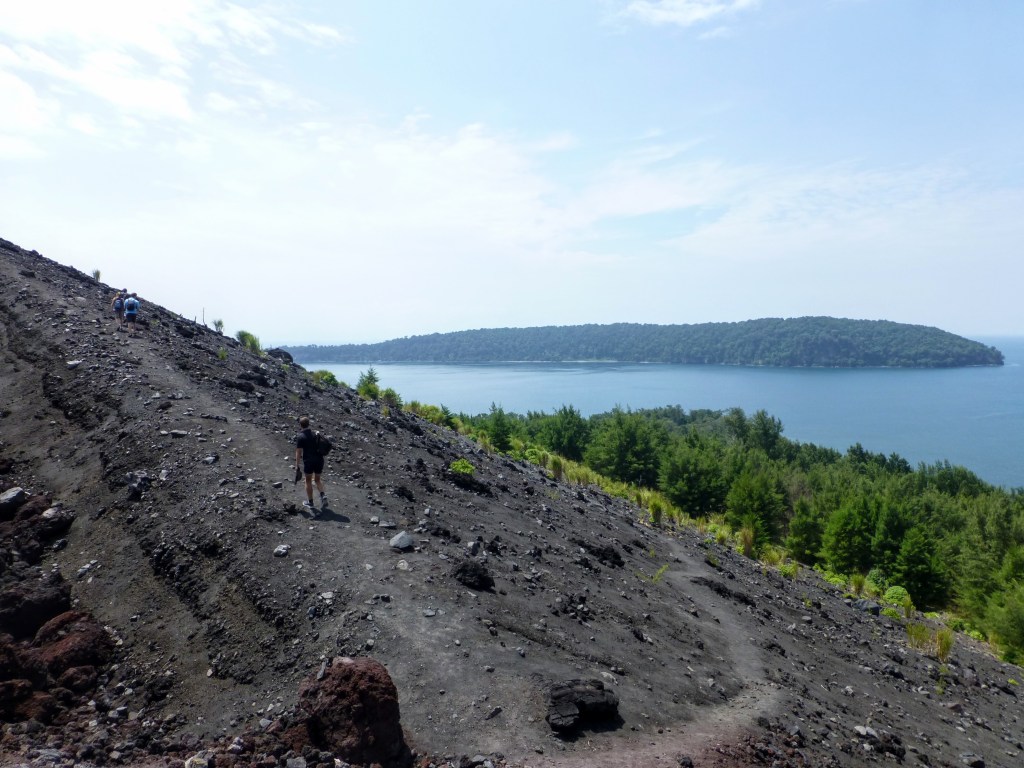
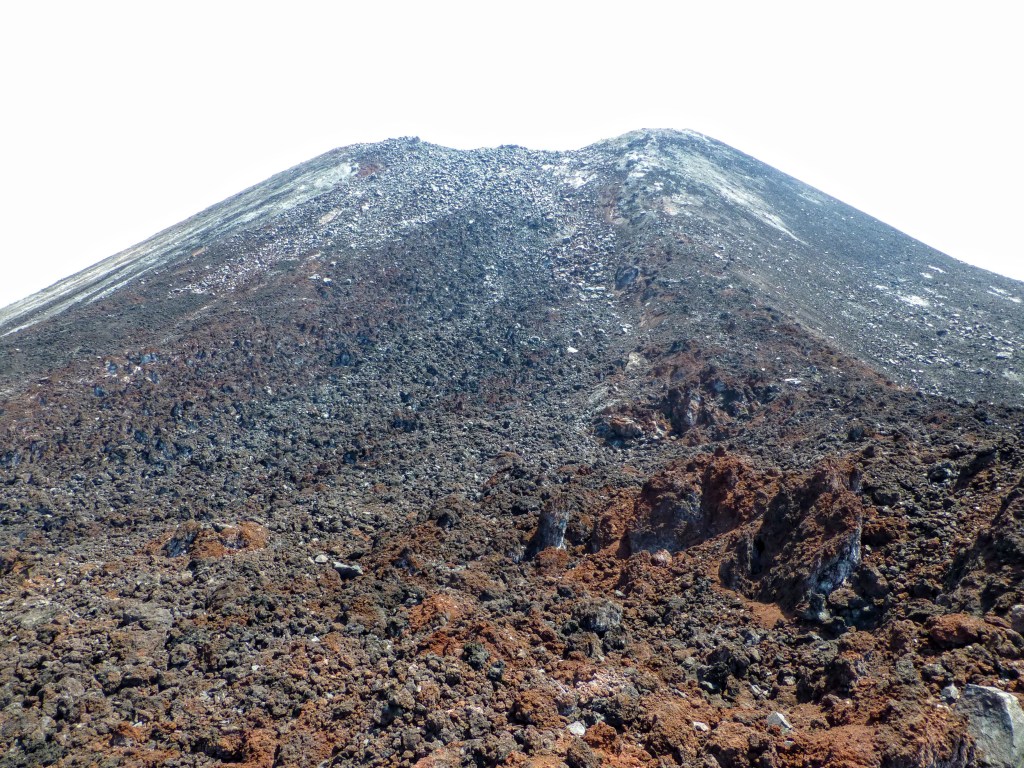
After the hike, hop back on the speed boat for the next part of the tour. The guide will take you out across the great crater beneath and circle around Anak Krakatoa to see the volcano with all its old lava flows from previous minor eruptions.
There is the opportunity to snorkel close to Sertung island, which is not to be missed. The volcano was impressive itself, but the life which has emerged from its dark past is incredible. The water is beautifully clear, the coral is in an almost untouched condition and the assortment of fish is far better than in any aquarium you’ve ever set foot in.
Climb back onto the boat once you’re ready and motor to Peucang island in Ujong Kulon National Park with its white sandy beaches. Lodge here for the night.

Day 3: Ujung Kulon National Park
Ujung Kulon national Park in the western most part of Java was Indonesia’s first national park and was made a Unesco World Heritage Site in 1991 to protect some of the last remaining lowland rainforest on the island. The tsunami produced by the eruption of Krakatoa in 1883 wiped out much of the settlements in the area, which has allowed the flora and fauna to flourish ever since, for the most part undisturbed by human development. It is the last remaining habitat of the endangered Javan Rhinoceros as well as many other indigenous species of mammals.
Trek into the jungle on Peucang island, keeping your eyes peeled to see the variety of flora and fauna on display. After lunch, there is the option to snorkel and see the beautiful array of fish the area has to offer, such as the butterfly fish, clown fish and cockatoo fish.
There is also the possibility to take a boat to Handeleum island and canoe up the Cigenter river through the dense and ancient rain forest.
Finally, take a boat back to Carita and drive back to Jakarta for the end of the tour.
Day 4: Pangandaran
Take a pretty long, but not uncomfortable bus through the scenic countryside around Bandung to Pangandaran on the south coast of Java. See Getting Around Java, a short blog we have written to help you join up the main destinations on Java.
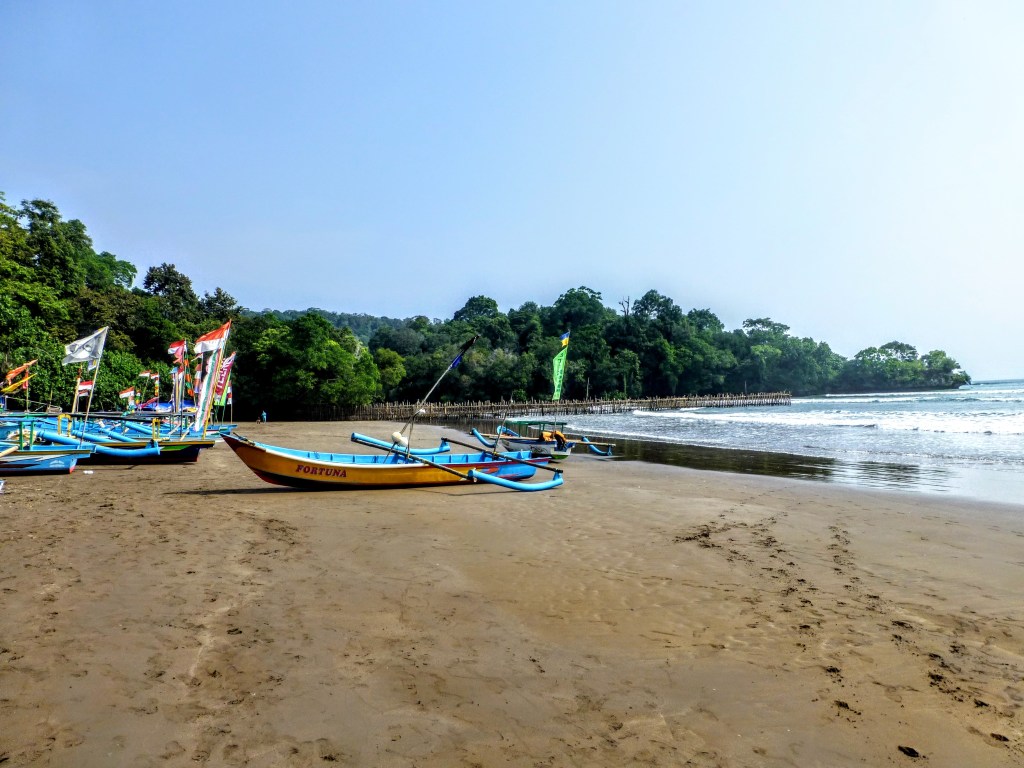
Pangandaran is a large fishing village based on a narrow isthmus (about 200m wide) with a national park at the end of the headland. On the west side there is a dark volcanic sandy beach, while on the east side there is a rocky sea wall keeping the sea out. Although the area is set up for tourism generally, it still feels relatively local compared to the well known beach resorts on Bali or other parts of Indonesia.
Wander through the town and head to the beach to watch the fishermen and tour operators bring their boats back into the safety of the shore after a long day out on the waves.
There are often kids playing football on the beach and if they’re short on numbers or you find the opportunity to show off your talent from a stray pass into the beach bar, you might be lucky enough to be signed on a brief loan deal for the evening.
Day 5: Pangandaran
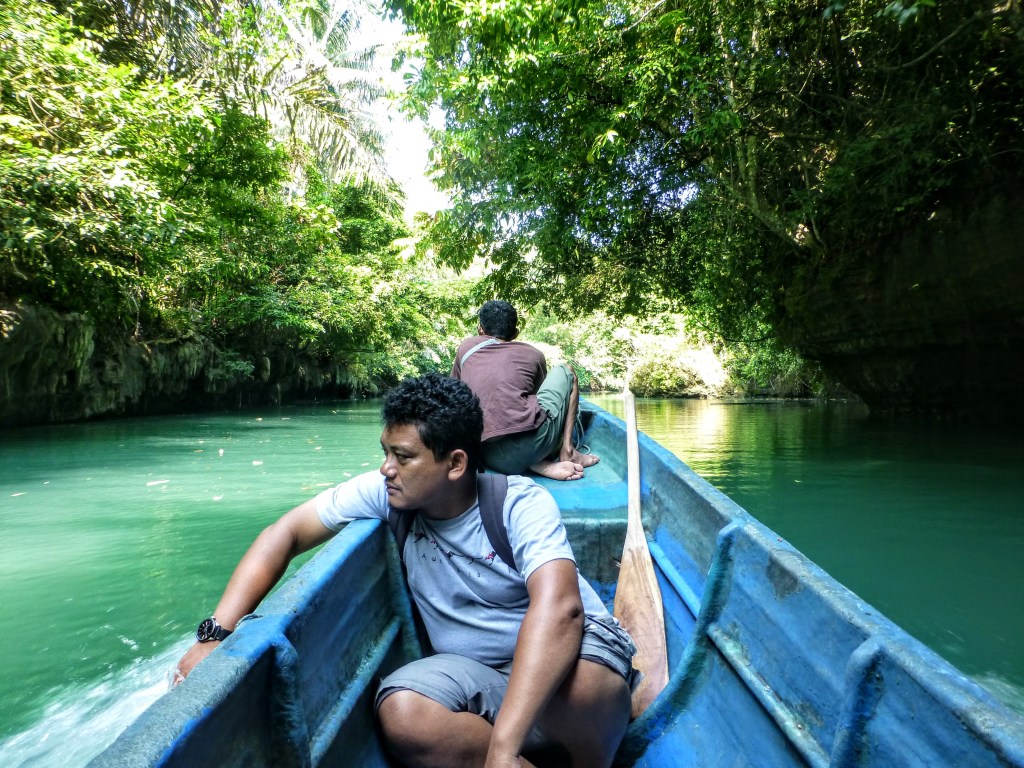
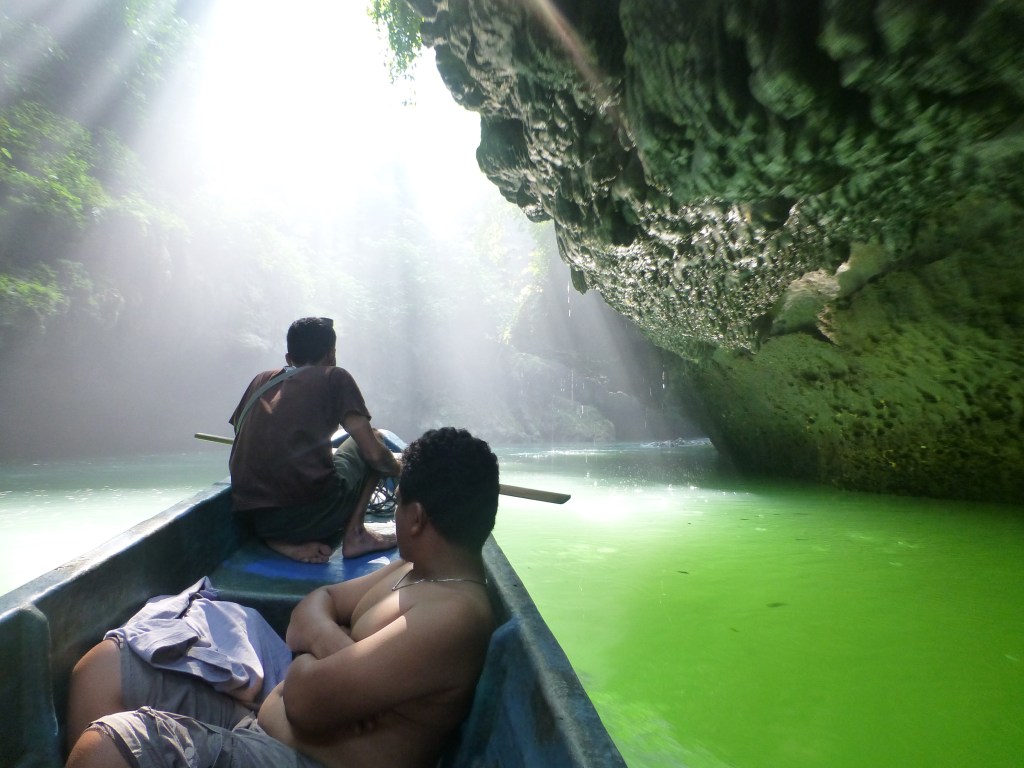
Organise a private tour to the Green Canyon for the day, an experience offered by many of the tour operators littering the town. Green Canyon received its name from the luminous green colour of the sun piercing the water of the Cijulang river which flows through it. It is situated about 30km from Pangandaran and so it is a popular day trip if you are staying in this pretty fishing town.
If you’re capable of riding a moped this is a nice way to experience the beautiful countryside on the way to the canyon. The tour operators do make sure you pass a brief moped driving exam before allowing you this opportunity however. If you drive the moped straight into the nearest wall, (as we may have done), then there is always a minibus as back up.
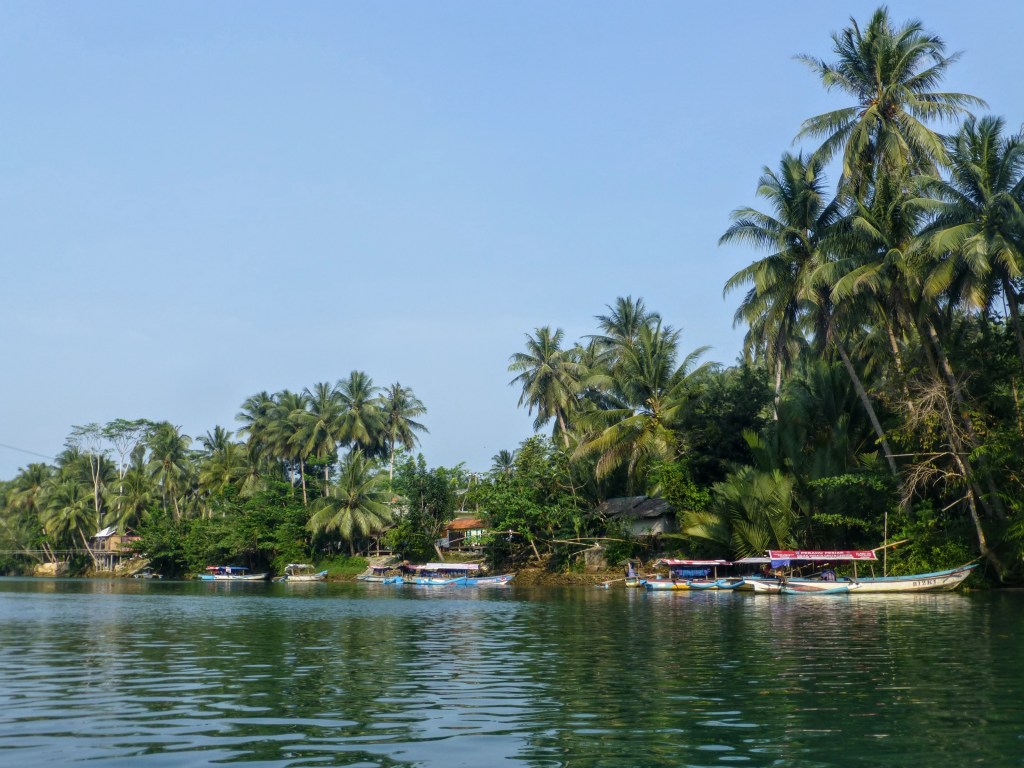
The drive takes you to the river where a boat will take you for the next leg up into the Green Canyon. This is a really nice boat trip up a pretty river which gets greener and greener the closer you get to Green Canyon. The canyon tour mainly consists of climbing up the sides of the canyon, swimming down the canyon, throwing yourself over small waterfalls, as well as rope swings and high jumps into the river. It really was great fun.
After the Green Canyon, the tour moves on to a turtle hatchery, where you can see all the newborn turtles and the work which the conservation trust are doing to help the turtle population on the island.
Jump back into the minibus back to town. After a long day, kick back on the beach with some drinks and enjoy the sunset.
Day 6: Pangandaran
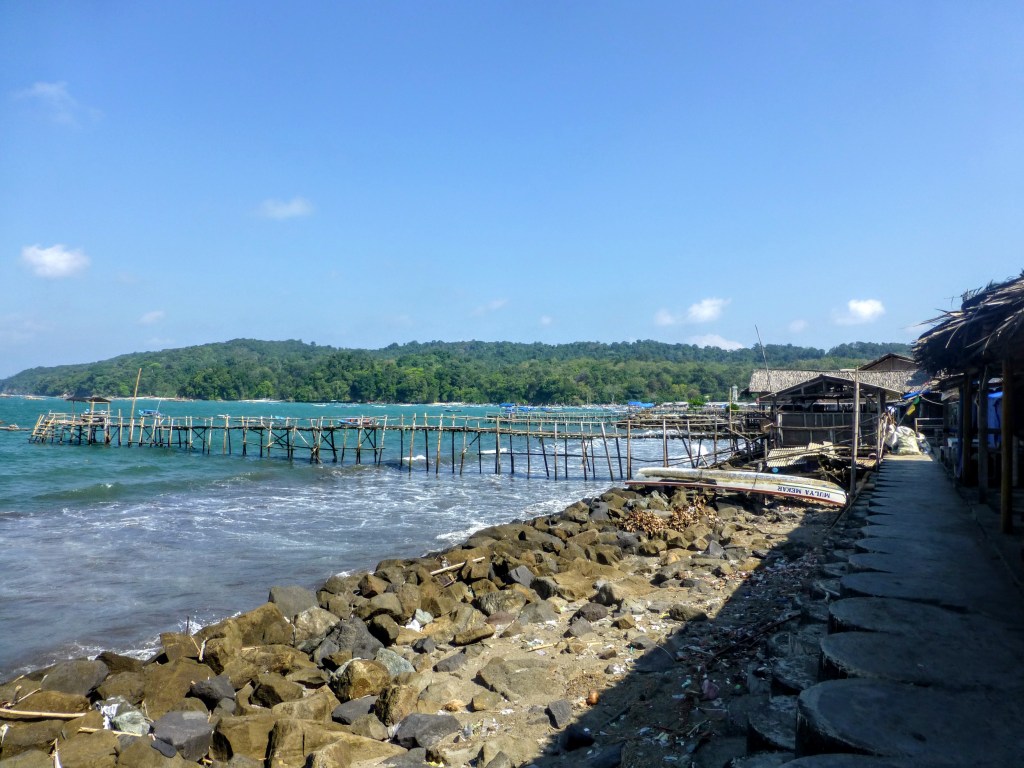
Head to the east side of the peninsular of Pangandaran where ungainly, rickety, wooden jetties protrude into the sea, somehow defying the power of the waves. Organise a morning of water sports from one of the jetties where they offer a range of activities such as ringo-ing, banana boating, aqua gliding and snorkelling.
There are also boat trips running from the beach which take you across to the white sand beaches of Pangandaran National Park at the end of the headland. If you’re in search of some soft white sand as opposed to to the darker volcanic nature of the main beach this might be your answer.
Day 7: Yogyakarta
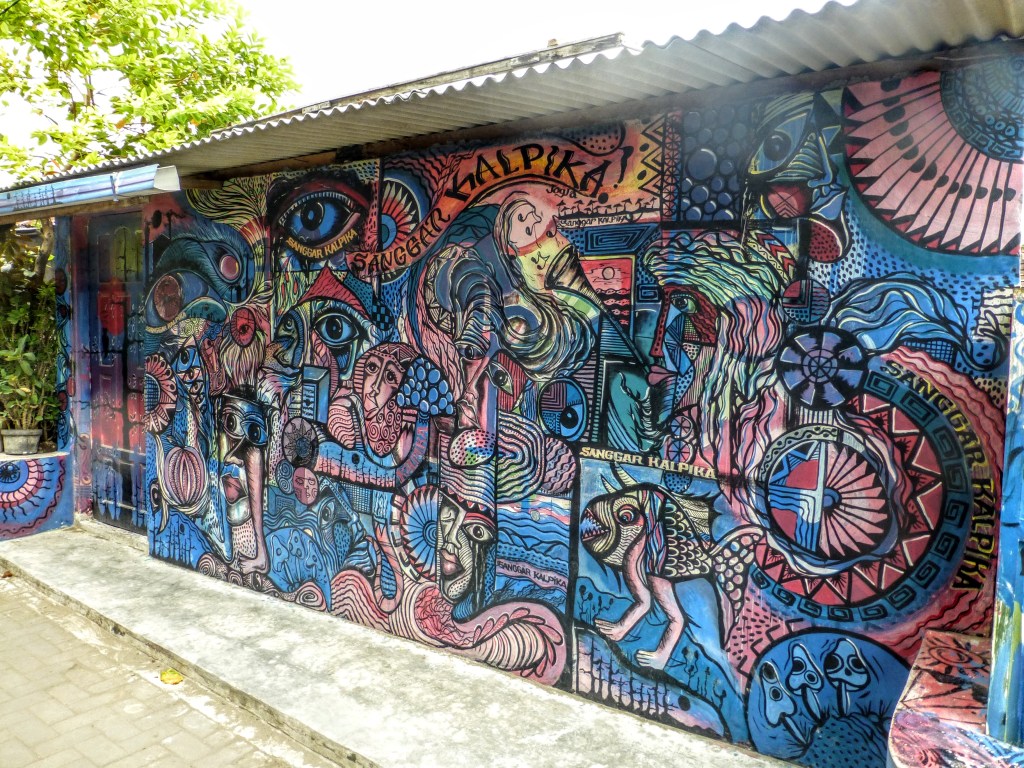
Catch another bus from Pangandaran bus station to the Unesco heritage city of Yogyakarta (see our blog on Getting Around Java for more information on this). The city is generally used by tourists as a base for visiting Borobudur and Prambanan temples, but the city is also a great way to experience some of the soul of Indonesia. The city is widely considered to be the cultural capital of Indonesia; full of art, music, drama, literature and of course Batik textiles. It is also well known as one of the primary education hubs with a number of universities based in the city. This produces a young and lively atmosphere about the town centre.
Spend the afternoon exploring the maze-like streets of Yogyakarta and all the Batik (Indonesian fabric) stalls. Make sure not to get caught out by any of the batik scams – the textiles should be very colourful on both sides of the material and if they aren’t it is likely that it is a print and not a dye.
Day 8: Yogyakarta
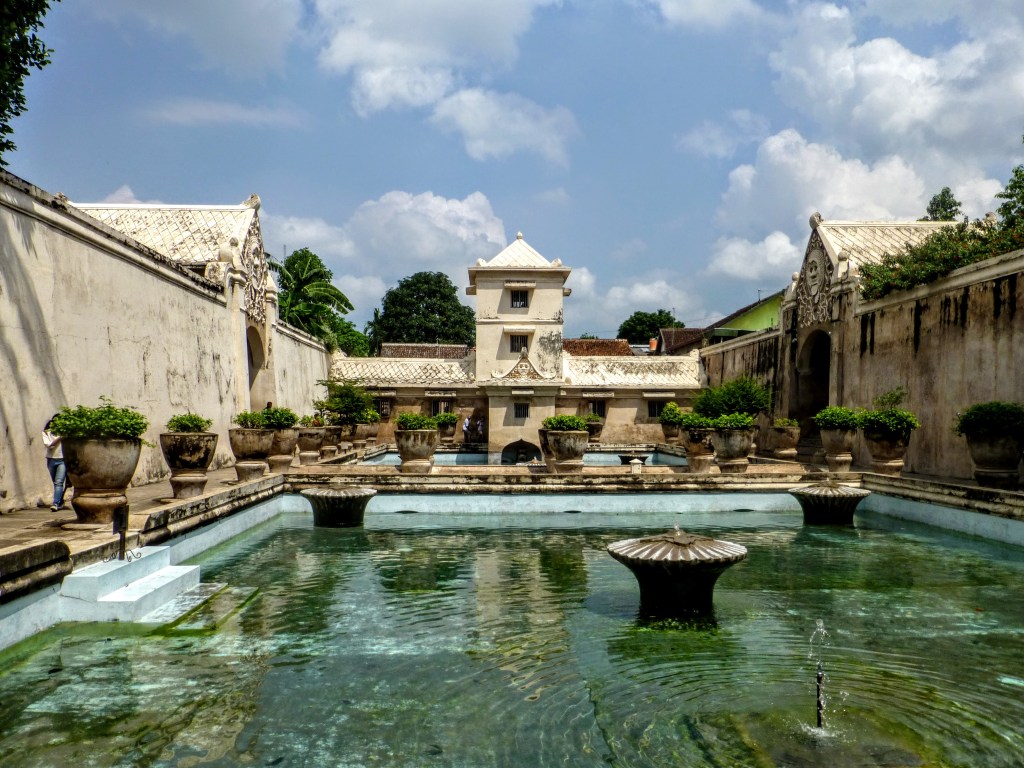
Explore the main city sites such as Taman Sari, the water palace built by the Portuguese and the Kraton Palace, the main seat of the Sultan of Yogyakarta. The Kraton is based at the centre of the city and Yogyakarta sprawls out from there.
Attend a performance at the Wayang theatre, a unique Unesco recognised masterpiece of Indonesian shadow puppets accompanied by an orchestra.
Day 9: Yogyakarta
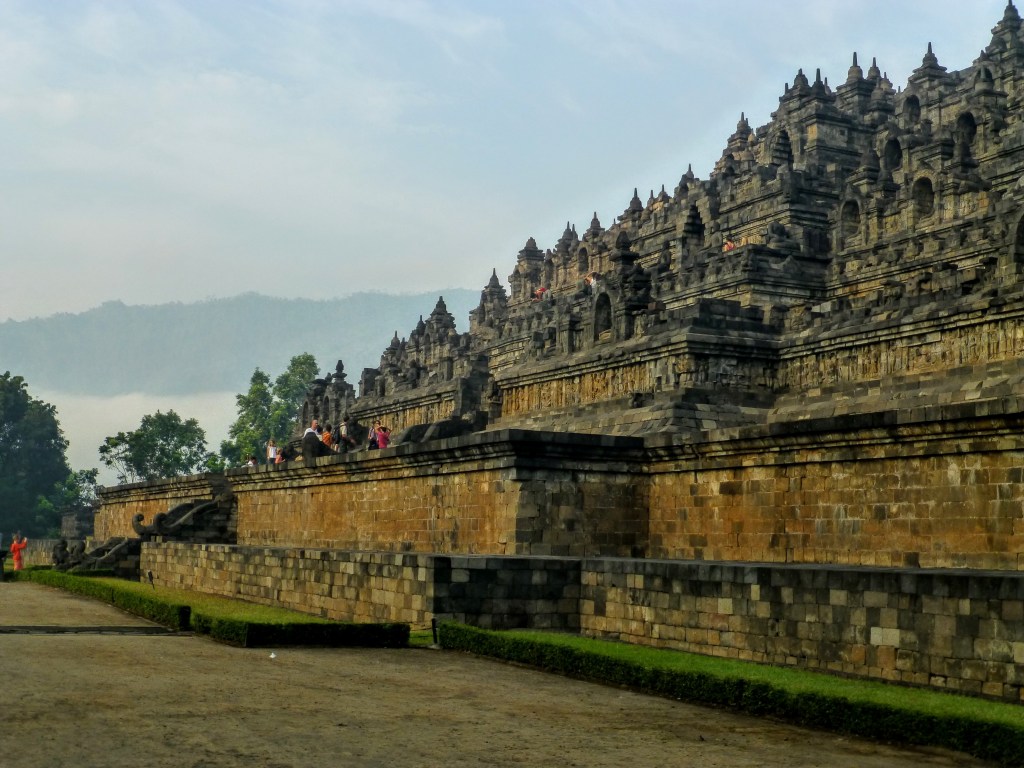
Book a Borobudur sunrise ticket and make the early trip to Borobudur temple, the largest Buddhist temple in the world and the most visited tourist attraction in Indonesia. Climb the temple in the dark and carefully find the ideal position to await the sun rise and see it light up the temple around you. It is worth ensuring the weather is clear when you do this, as it can often take a few hours for the early morning mist to disappear.
Spend some time exploring the mystical Buddhist temple, its 504 Buddha statues and its many stupas in the light. The central dome of the temple is surrounded by perforated stupas hiding 72 Buddha statues.
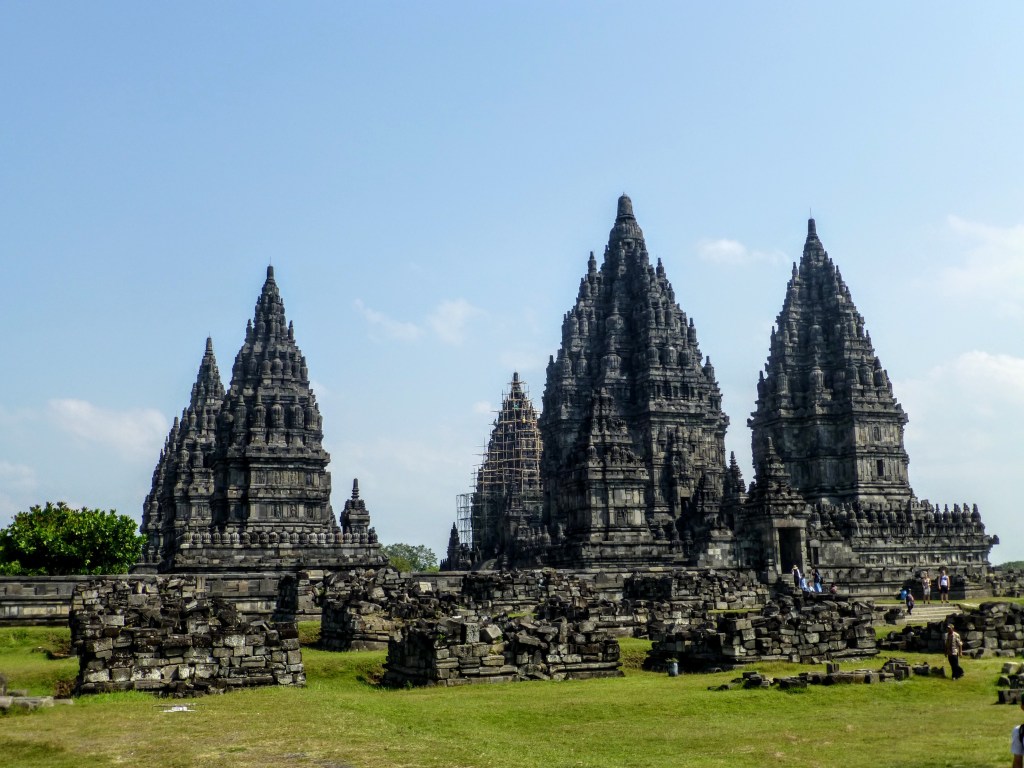
Next visit Prambanan, a Unesco world heritage site consisting of over 240 temples. The magnificent temples of Brahma (the creator), Vishnu (the preserver) and Shiva (the destroyer) in the inner zone of the temple complex are well worth the visit.
You can also coincide your visit with an evening Ramayana ballet performance in an unparalleled setting.
Day 10: Travel
End your trip around west Java here, with the opportunity to fly back to Jakarta and home, or continue your travels east through Indonesia to Bali.
Blogs on Indonesia

Getting Around Java
Java is a beautiful Indonesian island to travel round (see our Java itinerary for more info), and there are many public buses which take backpackers up and down the island, making travel from hub to hub relatively cheap and straight forward. You will most likely want to combine a trip to Java with some of…
 Sunburnt Zebra Travel