
Borneo
WHY WE LOVED BORNEO…
Home to the orang-utan, proboscis monkey, pigmy elephant and sun bear, Borneo’s lush jungles offer an unspoilt glimpse into its unique wildlife. This, combined this with the luxury of its white sand beaches and turquoise waters with extensive diving opportunities, makes Borneo an unforgettable destination.

Adventure
Chill
Culture
Nature
Our one week itinerary
This trip includes the best bits of Malaysian Borneo. We chose to combine our Borneo adventure with a trip to Laos, but otherwise there are plenty of options for extending your visit to Borneo.
☆Don’t miss: Sandakan, where you can visit a number of unique sanctuaries protecting some of Borneo’s most endangered indigenous animals.
DAY 1: KOTA KINABALU
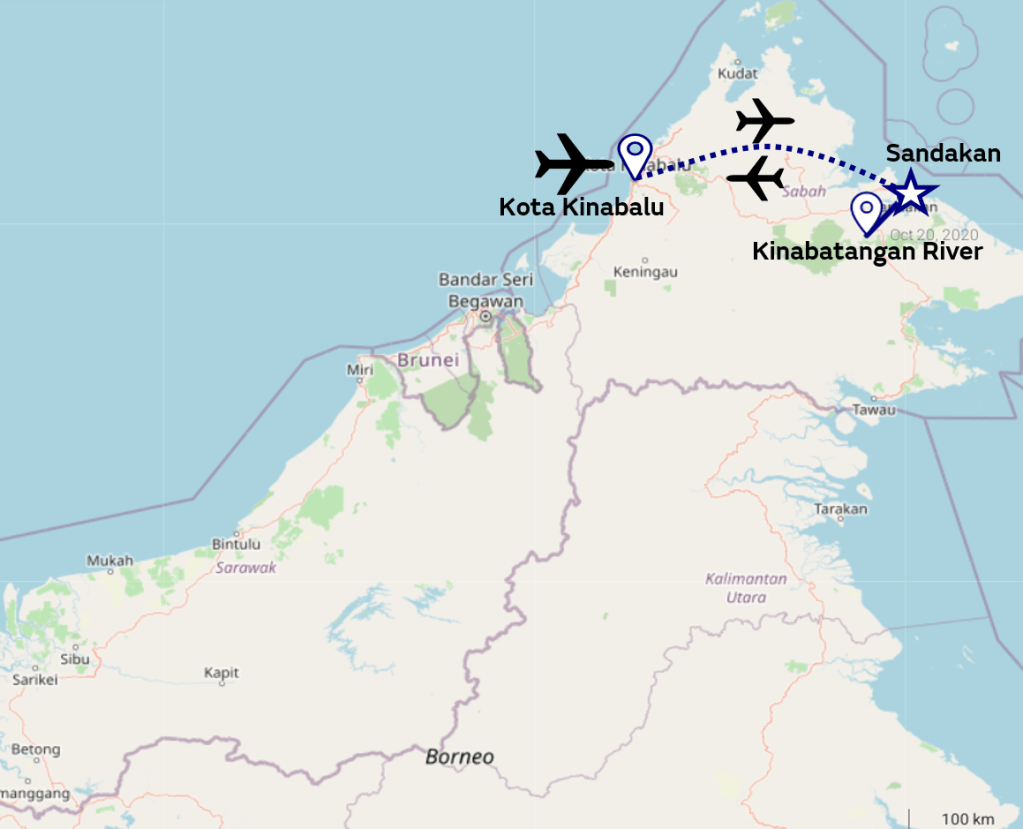
Fly into Kota Kinabalu from Kuala Lumpur.
Kota Kinabalu, formerly known as Jesselton, originally sprung up as a major trading port connected to the North Borneo Railway during the settlement of the British North Borneo Company in the 19th Century. The city itself, now fondly known as “KK”, is nothing special, but it is a short boat trip away from a scattering of idyllic islands and it is a gateway to Sabah and Northern Borneo.
We arrived late and had a quick bite to eat at a great little American diner called Shoney’s.

DAY 2: KOTA KINABALU
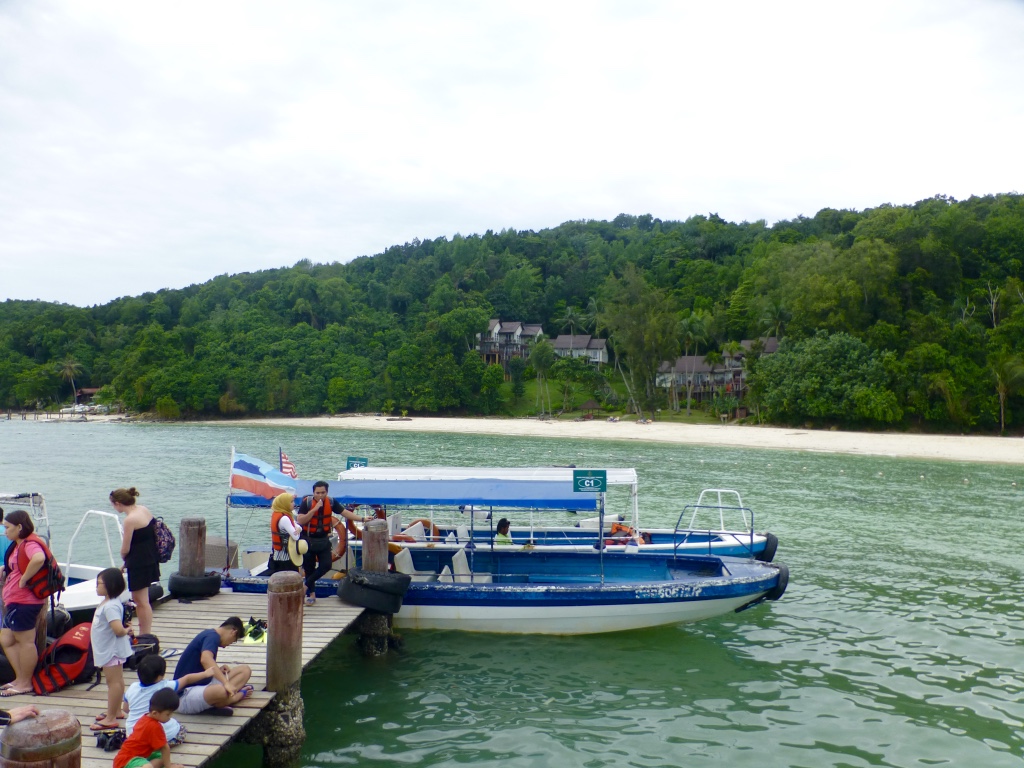
We chose to visit the nearby islands as a whistle-stop one day island-hopping trip. If you have more time, we would recommend splurging on staying a night or two at one of the five-star islands resorts, to really indulge in the island life. If however, like us, you are short on time, head to the large ticketing hall at Jesselton Point bright and early to make sure you can get a ticket on one of the early speed boats out to the islands in Tunku Abdul Rahman National Park. The ticketing counters generally open at 8am and can be very popular on weekends. The trip to the islands is generally not possible on very windy and rough days as the water taxis will not risk the journey over rough seas, so be warned that there may be cancellations or long delays. Our taxi delayed the trip by a couple of hours until the sea had calmed slightly. It was easy to see why, the boats fly across the waves, slamming into them at great speed; it was pretty exhilarating for a boat trip! The journey itself only takes about 15 minutes.
We visited Sapi island first, one of the smaller, less crowded and less developed islands. From here you can organise a zip wire ride across the 235m channel between Sapi and Gaya islands. The company will ferry you to Gaya and you’ll zip-line back.
We caught the water taxi to Manukan island for lunch as it is more developed and has a few restaurants along the beach front. It is slightly larger than Sapi and you can take a short hike around the island which affords a lovely view over the sea and the other islands. Cool off with a dip in the clear blue waters before grabbing bite to eat.
The two islands we visited were pretty and worth going to for a bit of sun, sand and sea, but for a taste of untouched blonde beaches, with turquoise water and swaying palm trees, we would suggest staying at one of the island resorts that only hotel guests can visit, such as Gaya island.

DAY 3: KOTA KINABALU
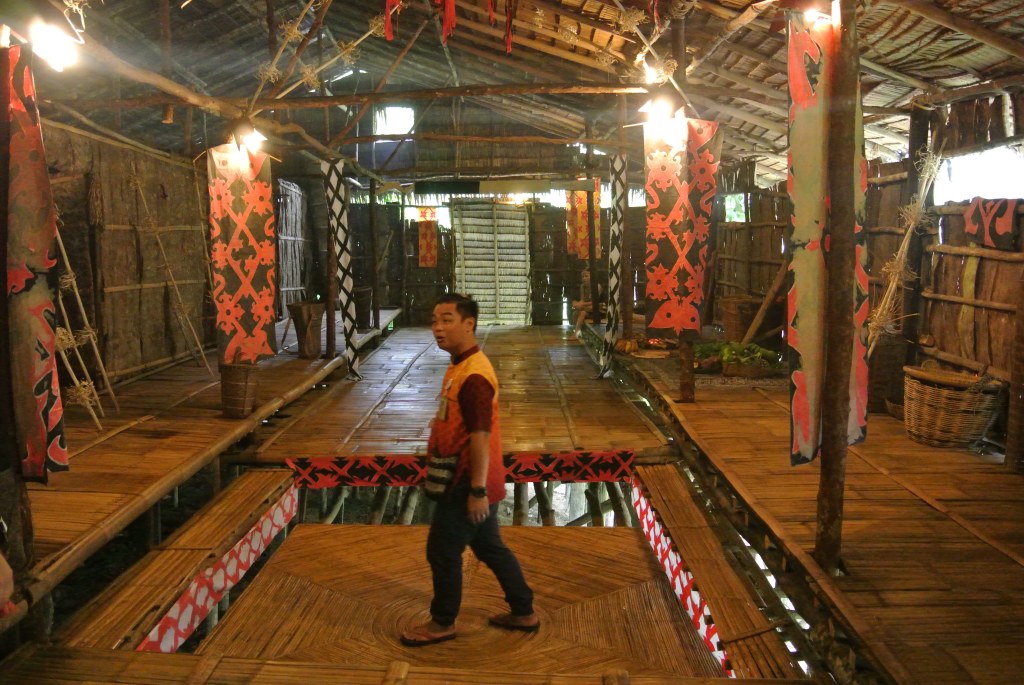
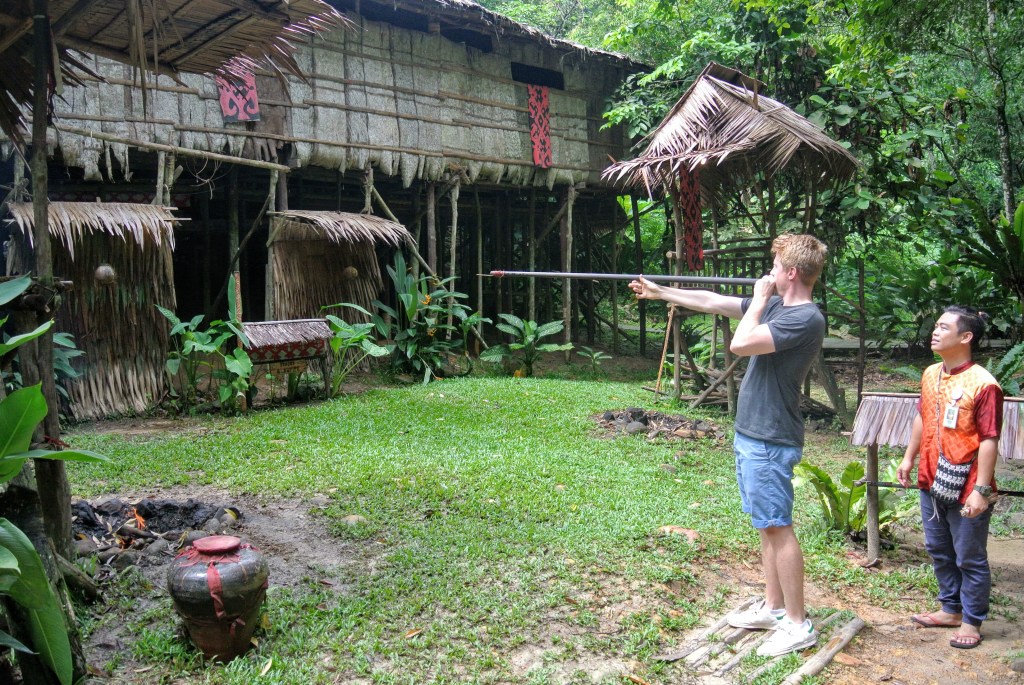
Take a morning or afternoon tour of the Mari Mari Cultural Village in the countryside outside Kota Kinabalu for an interactive insight into the traditional Bornean tribes, culture and history. On the tour you can experience the lifestyle of five indigenous tribes with activities such as tasting traditional food and drink, testing your hunting skills with a blow pipe and watching a traditional dance performance. The tour will include pick up, drop off and lunch.


Fly to Sandakan in the evening. This is a quick flight which will save a lot of time compared to catching the bus. Although if you’re not a confident flyer it is worth noting that there can be storms in the evening which can make flying a little unpleasant. Our flight was incredibly turbulent and aborted its landing in Sandakan, returning to Kota Kinabalu for a few hours before trying again once the storm had passed.
Day 4: Kinabatangan River
We were picked up early in the morning from Sandakan and driven into the depths of the rainforest for an incredible 3 day, 2 night stay on the Kinabatangan River. A number of lodges will offer a similar trip which includes all transport, meals, jungle walks and river safaris. We opted for Myne travel and would highly recommend them.
Your base will be likely be a lodge on stilts nestled on the leafy banks of the river. Ours was beautifully quiet and offered regular wildlife sightings even when not on safari (we were told not to keep any food in our lodge to avoid any unwelcome primate visitors!). Most lodges provide a similar range of excursions to allow you to experience all the rainforest has to offer, with a mixture of treks and river cruises available.

We arrived in the early afternoon and immediately embarked on a river safari to see the local wildlife. We were told that river safaris are the best way to see the animals as they often can be found along the river bank and having a boat allows you to cover much greater distances than travelling on foot. The guides are also excellent at knowing where to look.

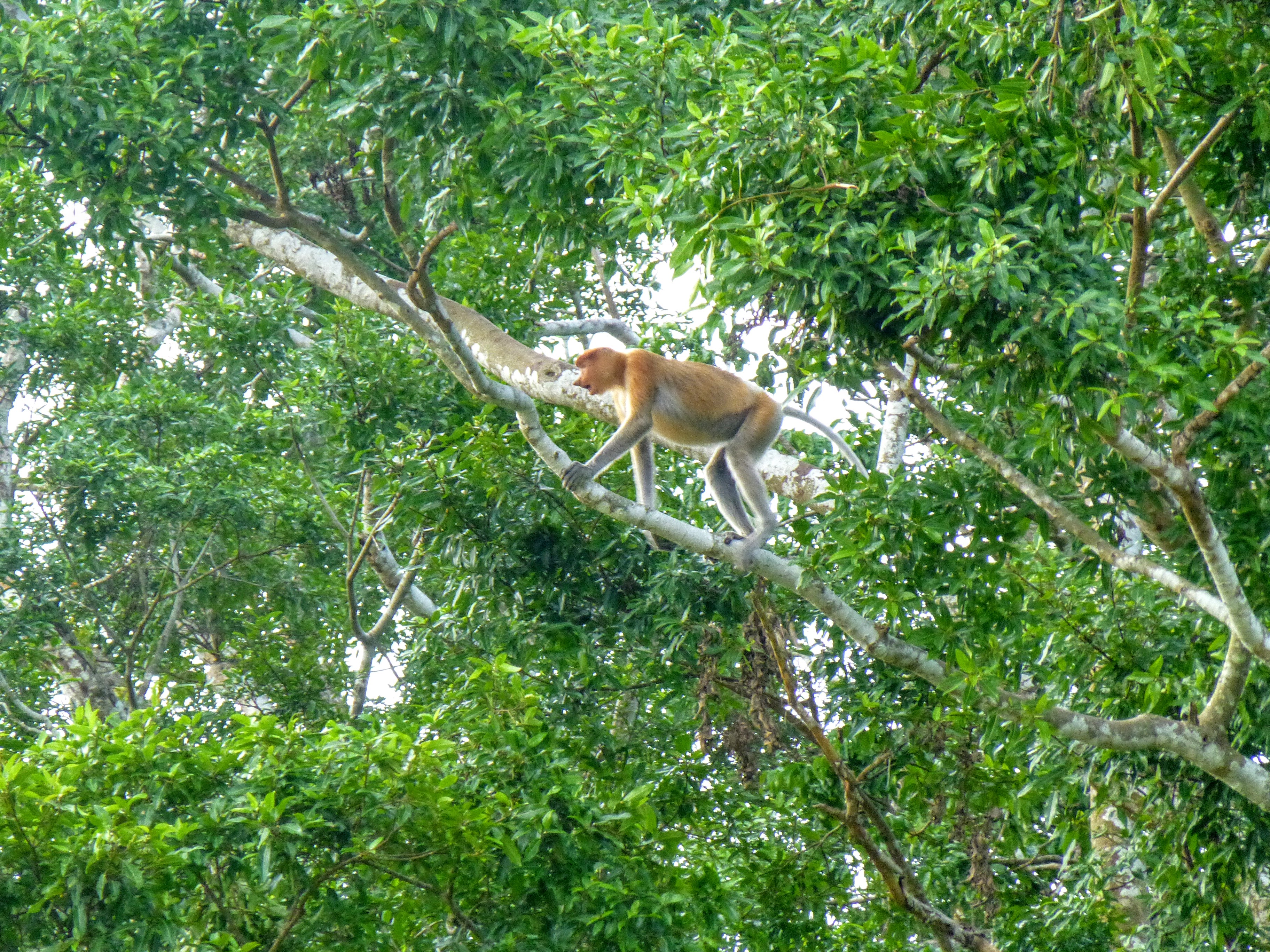
You are guaranteed to see macaques playing along the river edge as well as proboscis monkeys – an endemic monkey so called because of its rather pronounced nose. Proboscis monkeys sit high in the tree tops along the river in groups, generally there is one male surrounded by his harem of females. In the afternoon they can be seen jumping from tree to tree and even from great heights into the river to cross from bank to bank. We were even lucky enough to see wild orangutans at the top of the canopy by the river. We also heard some pygmy elephants trampling the long grass at the side of the river, but unfortunately because they are so small we could not see them through the long grass.

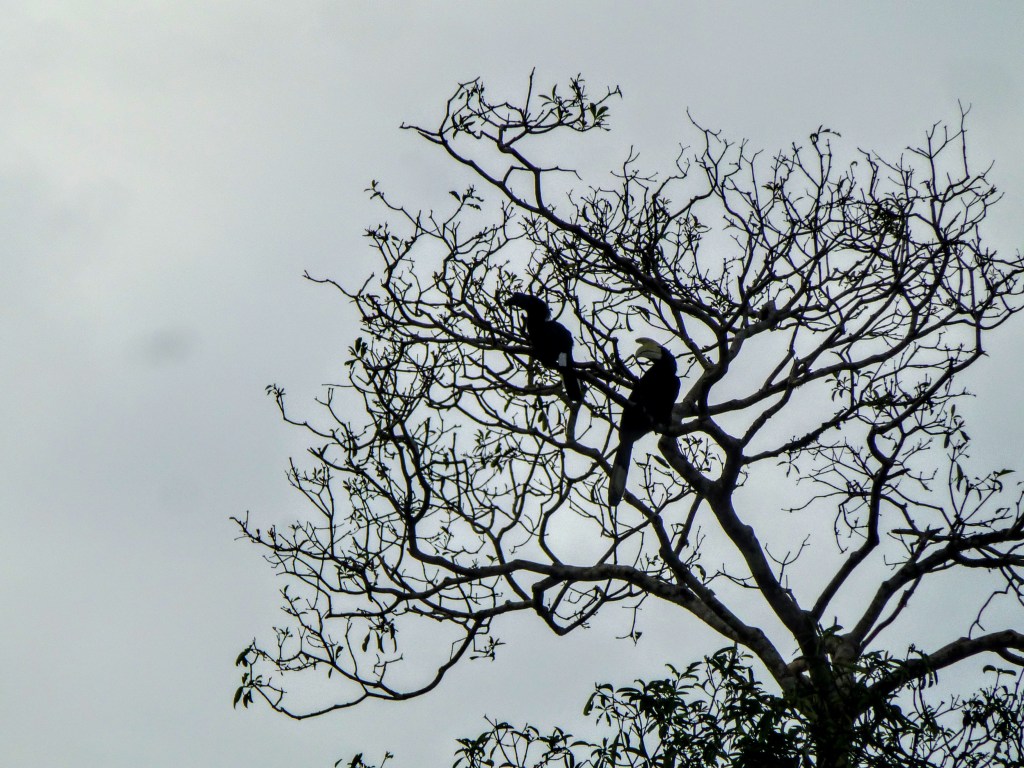
In addition to the monkeys and the elephants, you can expect to see crocodiles and many different types of birds such as hawks, eagles and hornbills.
Day 5: Kinabatangan River
In the morning we headed on a trek, led by a ranger from the lodge, to a viewpoint which gave a panoramic view over a large meander in the river and the jungle below. Along the way, the guide pointed out colourful plants and insects, many of which we would never have spotted ourselves.
In the afternoon we hopped back on the boat for another river cruise.


Later that evening we embarked upon a night trek into the jungle with a ranger. This was certainly an experience to remember, but not one we would repeat with quite so much enthusiasm. The rainforest is extremely dark at night but also it is incredibly loud and it can be disconcerting walking through the forest without being able to see anything outside of the guide’s torch light. This time our guide only managed to find us creepy crawlies, but there is a chance you could get to see tarsiers, slow loris and flying squirrels, which all come out at night.
Day 6: Kinabatangan River
On the final morning of our Kinabatangan adventure we went for a final river cruise before heading to Sepilok.


Day 7: Sandakan
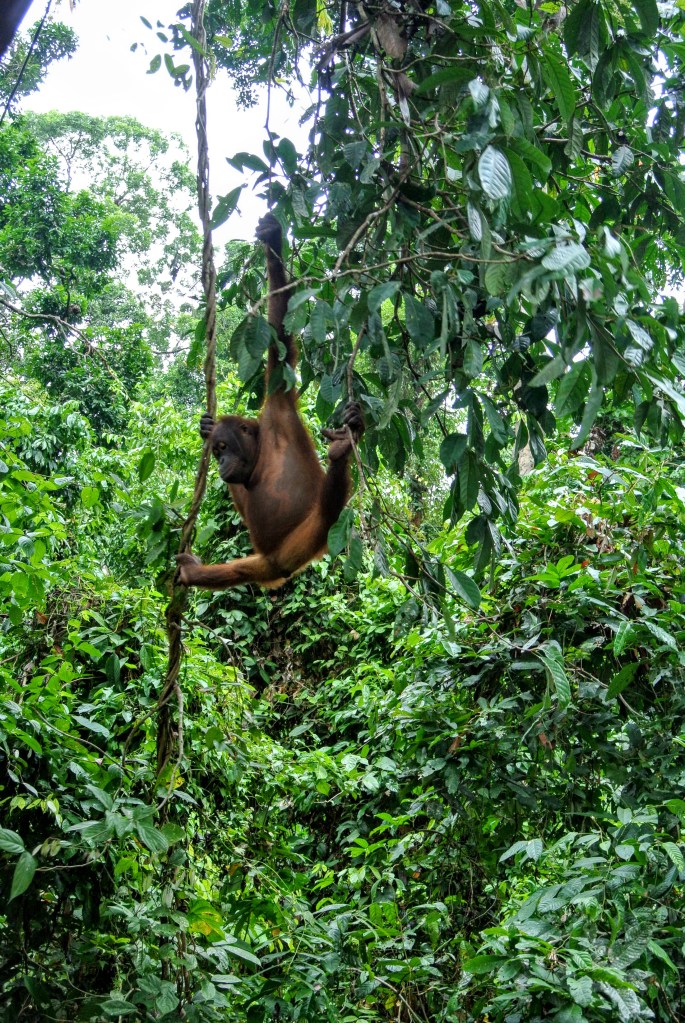
Visit the Sepilok Orangutan Rehabilitation Centre, a large area of protected land to help rehabilitate orphaned orangutans. Once the orangutans have learnt to climb and forage by themselves effectively, they are released into the reserve to live in their natural habitat. The centre has two feeding times a day which is a great way to see the wild orangutans in the reserve at a reasonably close distance. We were lucky enough to see a number of orangutans come to the morning feed as well as a few hungry monkeys looking to cash in. There is also a nursery where you can observe some of the younger orangutans learning to climb and play with each other. The centre aims to provide a sustainable future for the critically endangered orangutan by raising awareness of its plight and visiting can be a great way to support the charity as well as an opportunity to see the orangutans swinging from tree to tree – which is a very rare sighting outside of the reserve.


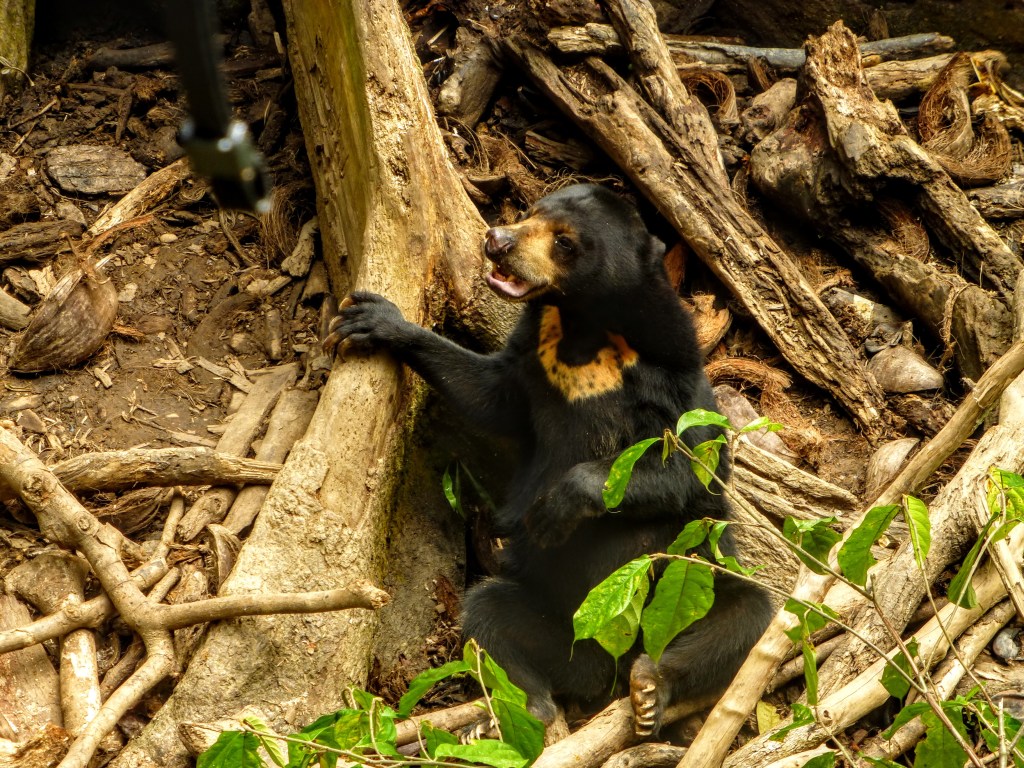
Next door to the Sepilok Orangutan Rehabilitation Centre is the Bornean Sun Bear Conservation Centre (BSBCC) which is a rescue and rehabilitation facility for the world’s smallest bears. This is a lovely way to spend the afternoon, walking around the high wooden walkways watching the bears, with their characteristic “V” shaped splash of gold on their chests, climb trees, play and bumble around in their large enclosure. Sun bears are only found in Southeast Asia and are threatened by ongoing deforestation, poaching and hunting. The bears in the sanctuary have been displaced or orphaned and undergo rehabilitation and training to enable them to be released back into the wild. This is an opportunity to observe the bears in their natural habitat, learn more about them and contribute to the initiative to protect these beautiful bears.
Day 8: Sepilok
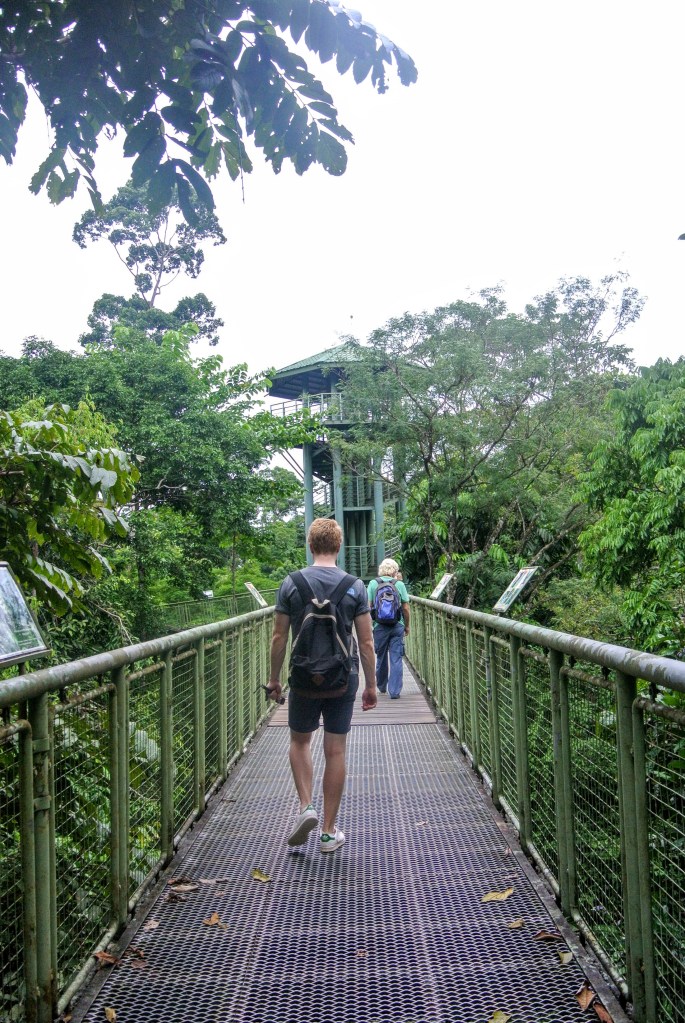
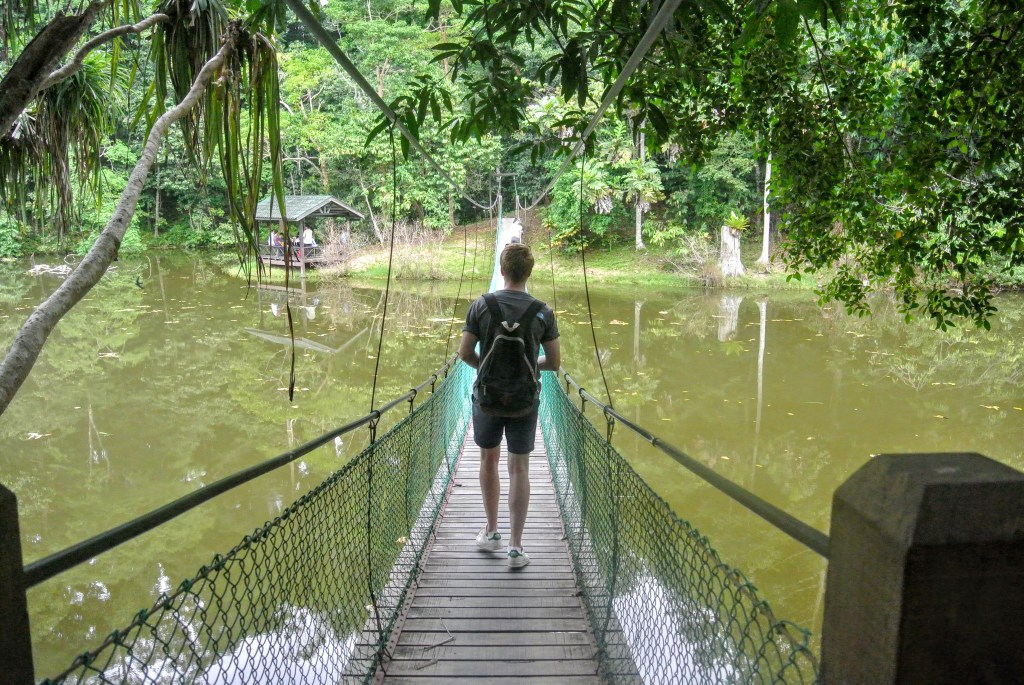
If you have time while in Sepilok it is also worth visiting the Rainforest Discovery Centre (RDC) which has a 363m long canopy walk way allowing you to look down on the jungle beneath. If you go at the right time of day it can be an excellent place for bird watching. There are also a number of hikes at ground level.
If you have more time available and you haven’t seen enough wildlife, it is also worth visiting the Labuk Bay Proboscis Monkey Sanctuary. This sanctuary is a great place to get a closer look at this fascinating monkey which is unique to Borneo. It is worth noting that the sanctuary only takes cash for the entrance fee, something which caught us out.
We hope you enjoy Borneo as much as we did!
 Sunburnt Zebra Travel